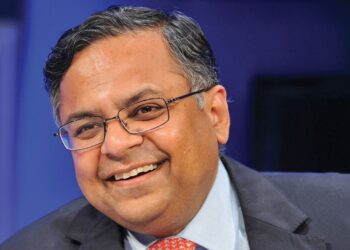

Words: Alexander Vance.
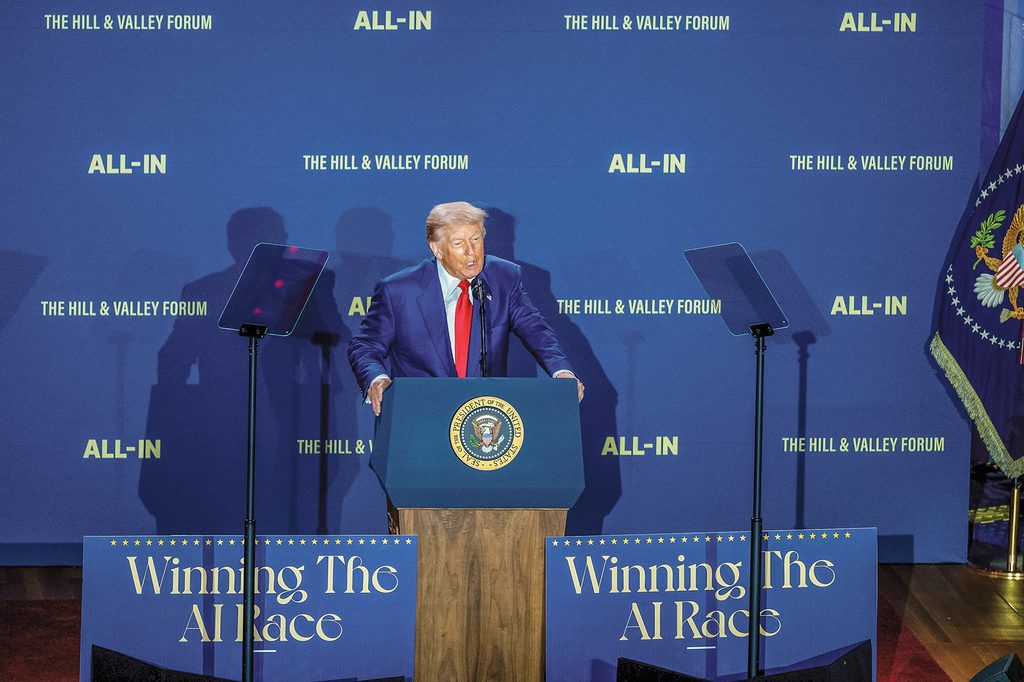
President Donald Trump.
For most of the past decade, two letters have defined one of the most consequential technological shifts in modern history. AI has moved from research laboratories into boardrooms, factories, financial markets, hospitals, government agencies, and homes. It has become a strategic priority for corporations and nations, reshaping investment, productivity, labor markets, and the global contest for technological leadership.
Now Donald Trump wants to change the language.
Trump argued that artificial intelligence should be called “Super Intelligence”, or SI, saying the word “artificial” makes the technology sound fake when its capabilities are very real. His administration began promoting the terminology in official settings, turning what might have appeared to be a branding exercise into a wider statement about the strategic importance of advanced intelligence.
The distinction matters because “superintelligence” already has an established meaning in technology. It generally refers not to today’s chatbots or enterprise software, but to a future form of machine intelligence capable of outperforming humans across a broad range of intellectual tasks.
By applying the term more widely, Trump has brought a concept once associated with futurists and AI researchers into mainstream political language.
The timing is significant. Some of the world’s most influential technology leaders are no longer discussing AI simply as the next software revolution. They are increasingly considering whether machine intelligence could eventually become powerful enough to reshape economies, governments, and the balance of global power.
Trump approaches the issue primarily through a national competition lens. His position is that the United States must lead the development of advanced intelligence and avoid regulatory structures that could slow American innovation while rival countries continue to advance. In this view, AI is no longer simply a contest among Silicon Valley companies. It is becoming part of the strategic rivalry between the United States and China.
The country that commands the
most advanced chips, computing infrastructure, AI models, electricity supply, and scientific talent could gain an extraordinary economic and geopolitical advantage. Trump’s proposed move from AI to SI, therefore, reflects a larger conviction that advanced intelligence will become an instrument of national power.
Yet some of those building the technology are becoming more explicit about its risks.
Elon Musk has long argued that AI could become both one of humanity’s greatest opportunities and one of its greatest dangers. The apparent contradiction is central to his position. Musk is investing aggressively in advanced AI while warning that sufficiently powerful systems could eventually become difficult to understand or control.
He increasingly discusses the future in terms of digital superintelligence and the technological singularity, a point at which machine intelligence could develop so rapidly that its consequences become exceptionally difficult to predict. His concern is not that AI development should simply stop, but that governments and businesses may underestimate the speed and magnitude of what is being created.
That possibility becomes particularly important if AI itself begins contributing meaningfully to technological progress. For centuries, advances in engineering, science, medicine, and computing have ultimately depended on human researchers.
AI systems are now helping programmers write software, researchers analyze data, and companies process information at unprecedented scale. More advanced systems could increasingly assist in the research required to build even more capable systems.
If machine intelligence becomes an important contributor to its own development, the traditional pace of technological progress could change.
This is why the safety debate has moved closer to the center of the industry.
Sam Altman, chief executive of OpenAI, has consistently emphasized the enormous potential benefits of increasingly capable AI while acknowledging that advanced systems require serious safeguards. He has spoken of a future in which AI accelerates scientific discovery, productivity, education, and healthcare, while also warning about the implications of concentrating powerful intelligence in the hands of a small number of companies or governments.
Dario Amodei of Anthropic has similarly argued for closer evaluation of frontier AI systems and stronger coordination around safety. Musk, Altman, and Amodei differ substantially in their philosophies, commercial interests, and preferred approaches to regulation, but their public positions increasingly converge on one fundamental point. Advanced AI is becoming powerful enough that safety, governance, and control can no longer be treated as secondary concerns.
The disagreement is over how to respond.
Stronger regulation could reduce some risks, but also slow innovation. Excessive restrictions in one country could transfer technological advantage to competitors elsewhere. Voluntary commitments may provide flexibility but may prove inadequate if commercial pressure pushes companies towards faster deployment. International coordination is attractive in principle but difficult in a world where governments increasingly see advanced AI as a strategic asset.
This creates one of the defining dilemmas of the emerging AI economy. Every major developer has an incentive to exercise caution, but each also has an incentive to move faster than its competitors.
Only a few years ago, corporate discussions about AI focused mainly on reducing costs, automating customer service, improving marketing, and increasing employee productivity. The conversation now extends to semiconductor supply chains, electricity generation, data centers, national security, scientific research, and economic concentration.
AI is becoming more than another category of software. It is becoming infrastructure.
Electricity changed the industry by expanding the capabilities of machines. The internet transformed communication, information, and commerce. Advanced AI could have an equally broad effect by lowering the cost of certain forms of cognitive work.
For most of economic history, skilled intelligence has been expensive. Legal analysis requires lawyers. Financial modeling requires analysts. Software requires programmers. Scientific investigation requires researchers. If machine intelligence can perform parts of these activities more quickly and cheaply, industries will reorganize around that new economics.
The early signs are already visible. Companies use AI to draft documents, analyze contracts, write software, translate languages, process financial information, and communicate with customers. AI agents are beginning to move beyond individual prompts towards sequences of tasks, navigating software, gathering information, and carrying out increasingly complex workflows.
This is where the corporate implications become far more significant than simple automation.
A company may eventually deploy hundreds or thousands of digital agents alongside human employees. Research cycles could be shortened. Software development could accelerate. Highly personalized services could become economically viable at a mass-market scale. Small companies could gain analytical and technological capabilities once available only to corporations with enormous workforces.
The greatest impact may therefore come not from replacing existing jobs one by one, but from changing the structure of organizations themselves.This explains the scale of the investment race. Technology companies are committing enormous capital to data centers, specialized processors, energy supplies, and computing infrastructure because they are preparing for a world in which demand for machine intelligence could be dramatically greater than it is today.
The competition is no longer simply about who builds the best chatbot. It is increasingly about who controls the infrastructure of intelligence.
That raises an important question for every boardroom. What happens when intelligence becomes cheaper?
When communication became cheaper, global commerce expanded. When computing became cheaper, software transformed industries. When digital storage became cheaper, data became abundant. A substantial decline in the cost of cognitive capability could produce another major restructuring of business.
Companies may operate with fewer management layers. Employees may supervise digital agents rather than traditional teams. Decision cycles could shorten from weeks to hours. Smaller competitors may challenge large incumbents without replicating their organizational size.
Professional services businesses may be particularly exposed. Business models built around charging for large quantities of human analytical time could face competitors capable of producing sophisticated work far more rapidly. Established companies whose advantage depends on organizational scale may discover that AI reduces the value of that scale.
Yet opportunity and risk will advance together. As businesses give AI systems greater responsibility, boards will need to determine exactly how much authority machines should possess. Can an AI agent approve payments, negotiate with suppliers, change production software, access sensitive information, or communicate externally on behalf of the company?
These are rapidly becoming governance questions rather than technological curiosities. Traditional corporate governance assumes that consequential decisions can ultimately be traced back to accountable people. AI complicates that model. A machine system may have no legal responsibility of its own, yet it can increasingly influence decisions carrying major financial, reputational, and social consequences.
The companies best positioned for the next phase will therefore not necessarily be those that deploy AI most aggressively or those that proceed most cautiously. The advantage may belong to organizations capable of moving quickly while maintaining clear human accountability, strong controls, and a precise understanding of where machine authority begins and ends.
This requires a change in leadership thinking. AI can no longer be left solely to the technology department. It belongs in discussions about strategy, risk, capital allocation, workforce design, and corporate governance.
CEOs should also recognize that the most disruptive competitor may not be an existing rival adopting AI. It could be a new company designed around AI from its first day, operating with fewer employees, lower costs, and much faster decision cycles. Such companies may not merely automate traditional business models. They may create entirely different ones.
This is why Trump’s proposed transition from AI to SI is more than a question of terminology.
“Artificial Intelligence” emerged during an era when machine intelligence was largely a scientific ambition. “Super Intelligence” evokes a future in which intelligence itself becomes an engineered economic resource and potentially a source of national power. That future has not yet arrived. Today’s most advanced AI systems remain imperfect. They can make errors, misunderstand information, and require substantial computing infrastructure and human oversight. Claims about when genuine superintelligence might emerge remain deeply uncertain.
Much clearer is the direction of investment and competition. Models are becoming more capable, computing infrastructure is expanding, and governments increasingly view advanced intelligence as strategically important. Trump’s response emphasizes American leadership.
Musk warns that the consequences of digital superintelligence could become difficult to predict.
Altman emphasizes the extraordinary economic and scientific possibilities while arguing that increasingly powerful systems require careful governance.
Amodei has pushed the industry towards a more explicit discussion about safety and the pace of frontier development.
Their positions differ, but each starts from the assumption that machine intelligence could become one of the defining forces of the coming era.
For governments, that makes AI a matter of economic and national power. For corporations, AI becomes a question of competitiveness and organizational design. For investors, it represents one of the largest capital deployment opportunities of modern times. For workers, it raises questions about how human expertise will coexist with increasingly capable machines.
The transition from AI to SI may therefore become symbolic of something much larger than a presidential preference for a new acronym. It captures the moment when artificial intelligence is moving from being treated primarily as a technology product towards being considered a strategic resource.
The global contest is already underway. Companies are building the infrastructure. Governments are developing national strategies. Investors are committing unprecedented capital. Researchers continue pushing the boundaries of what machines can do.
The central question is no longer whether intelligence technology will matter.
It is who will control it, how quickly it should advance, how its benefits will be distributed, and who will remain accountable as machines become capable of doing far more than anyone expected.
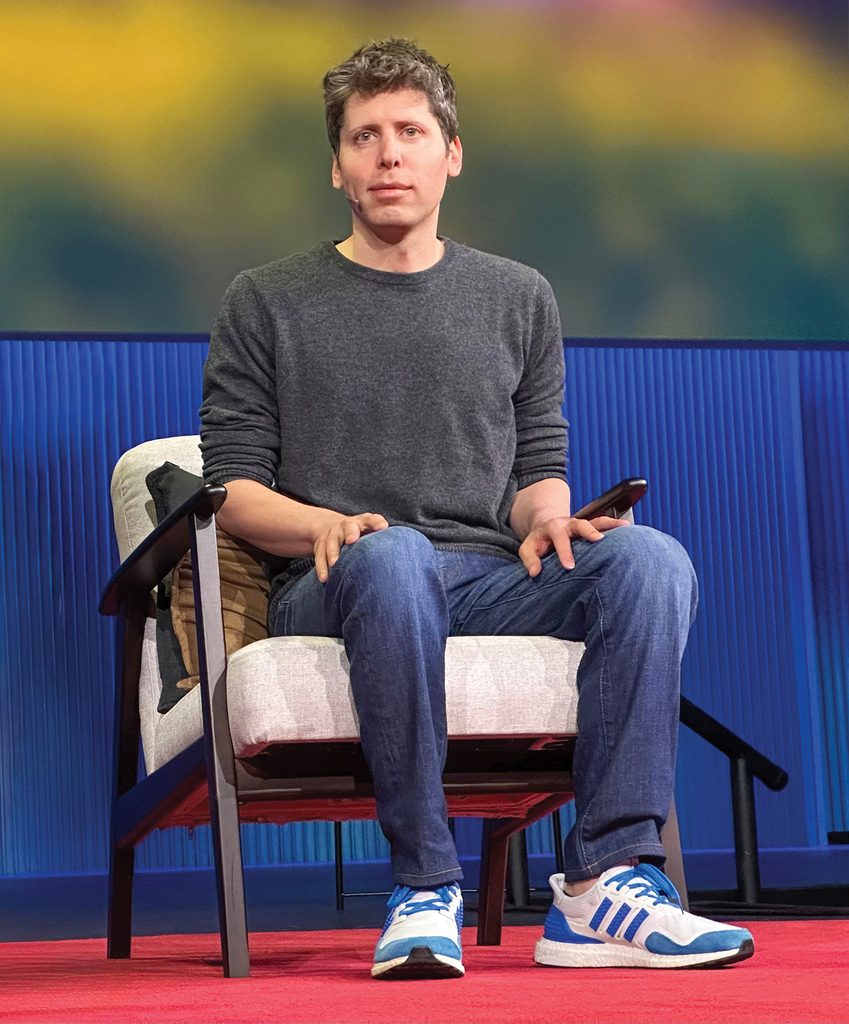
Sam Altman, Chief executive, OpenAI.
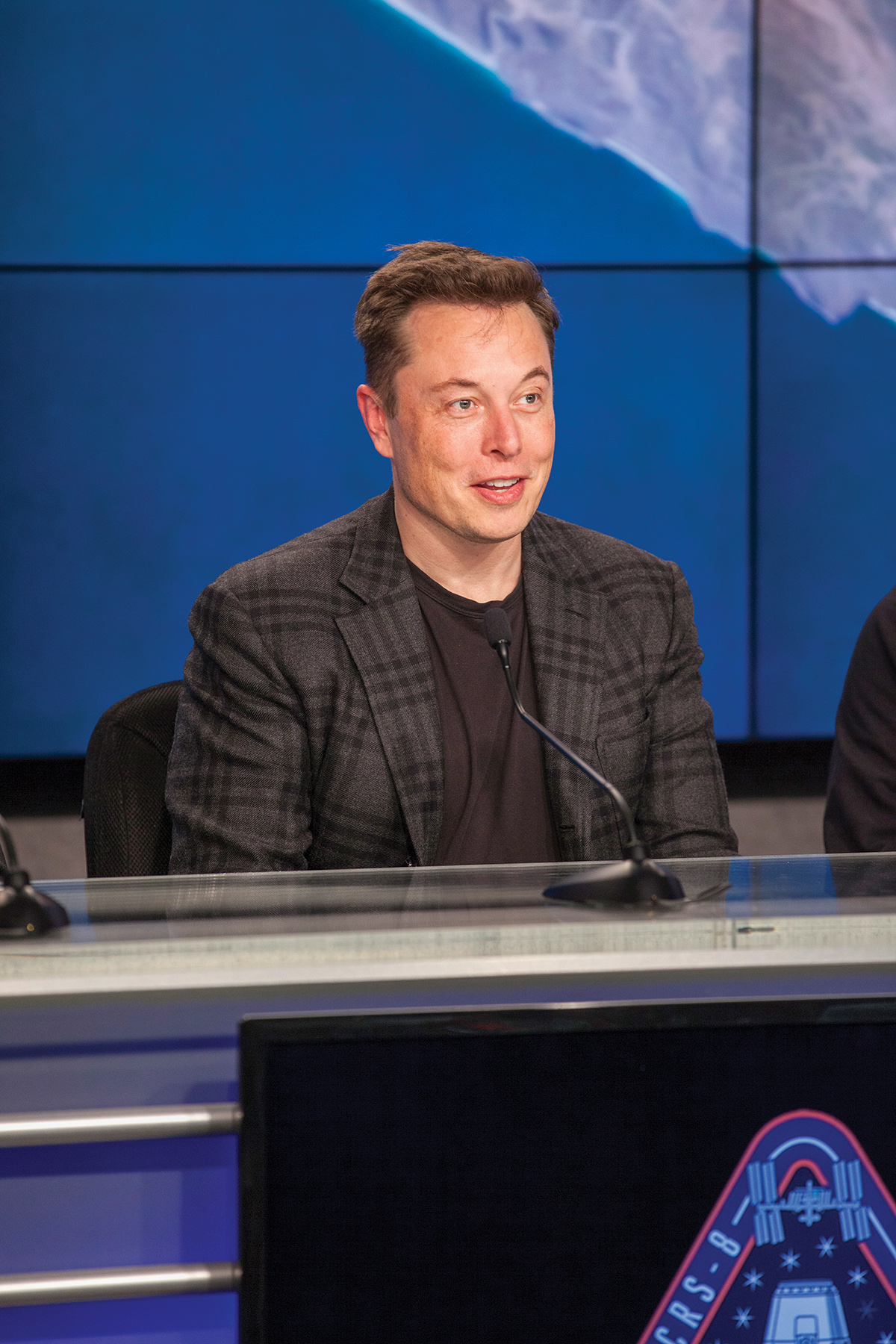
Elon Musk, Founder and CEO, SpaceX and CEO, Tesla.
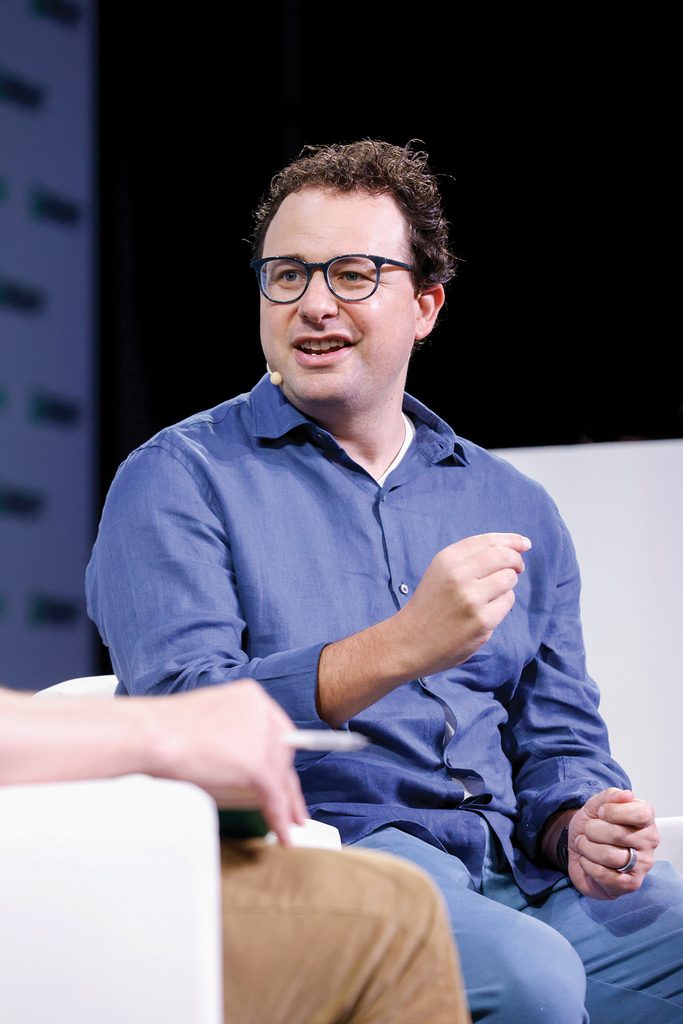
Dario Amodei, Artificial Intelligence (AI) researcher and entrepreneur.

NERSC data-center racks.
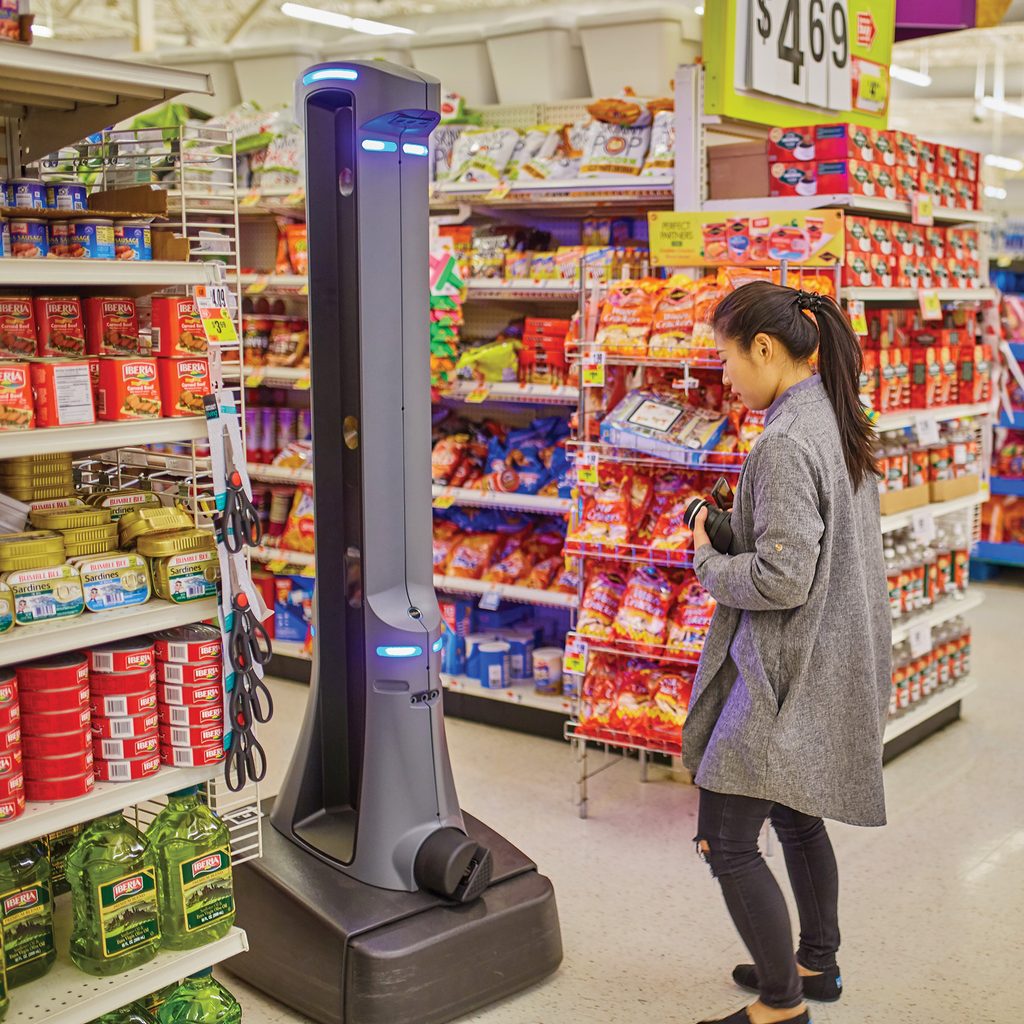
A robot working alongside a person, reflecting AI’s shift towards greater autonomy.