

Words: Mateo Valdés.
Global Markets & Sport Intelligence Network (GMSIN)
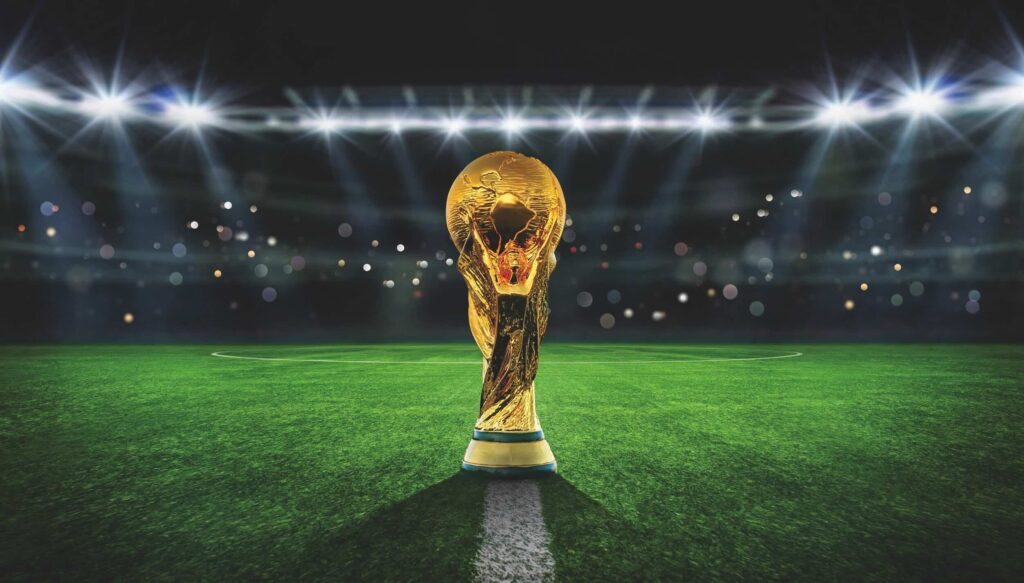
The 2026 FIFA World Cup is more than a football tournament. It is the culmination of a decades-long transformation of FIFA from a governing body of world football into one of the planet’s most powerful commercial organizations. When the first ball was kicked in June 2026 across the United States, Canada, and Mexico, FIFA presided over the largest sporting event ever staged, designed not only to crown a world champion but also to generate unprecedented revenues, reshape global sports economics, and further strengthen football’s position as the world’s most valuable entertainment product.
For FIFA President Gianni Infantino, the 2026 World Cup marks the realization of an ambitious vision. By expanding the tournament from 32 to 48 teams and increasing the number of matches from 64 to 104, FIFA has effectively reinvented the economics of the World Cup. Each additional match creates new broadcasting inventory, sponsorship opportunities, ticket sales, hospitality packages, merchandising revenues, and digital engagement. The result is expected to be the most lucrative sporting event ever organized.
The World Cup has always been football’s greatest commercial asset. Yet the scale of the 2026 edition is unlike anything the sport has witnessed. FIFA’s revenues for the four-year cycle leading to the tournament are expected to exceed previous records by a substantial margin, with the World Cup accounting for the overwhelming majority of those earnings. The tournament is expected to generate well over USD 13 billion in revenues, making it one of the richest sporting events in history.
At the heart of FIFA’s business model is broadcasting. Television rights remain the organization’s single largest source of income. For decades, broadcasters have competed fiercely for World Cup rights because football delivers something increasingly rare in modern media: massive live audiences. In an age of fragmented viewing habits, the World Cup continues to draw billions of viewers across every continent.
The expansion to 48 teams dramatically increases the number of matches available for broadcasters. More matches mean more advertising inventory, more subscription opportunities for streaming platforms, and more content for global audiences. Major broadcasters across North America, Europe, Asia, Latin America, and the Middle East have invested billions to secure rights to the tournament. For FIFA, every additional game represents another highly valuable media asset.
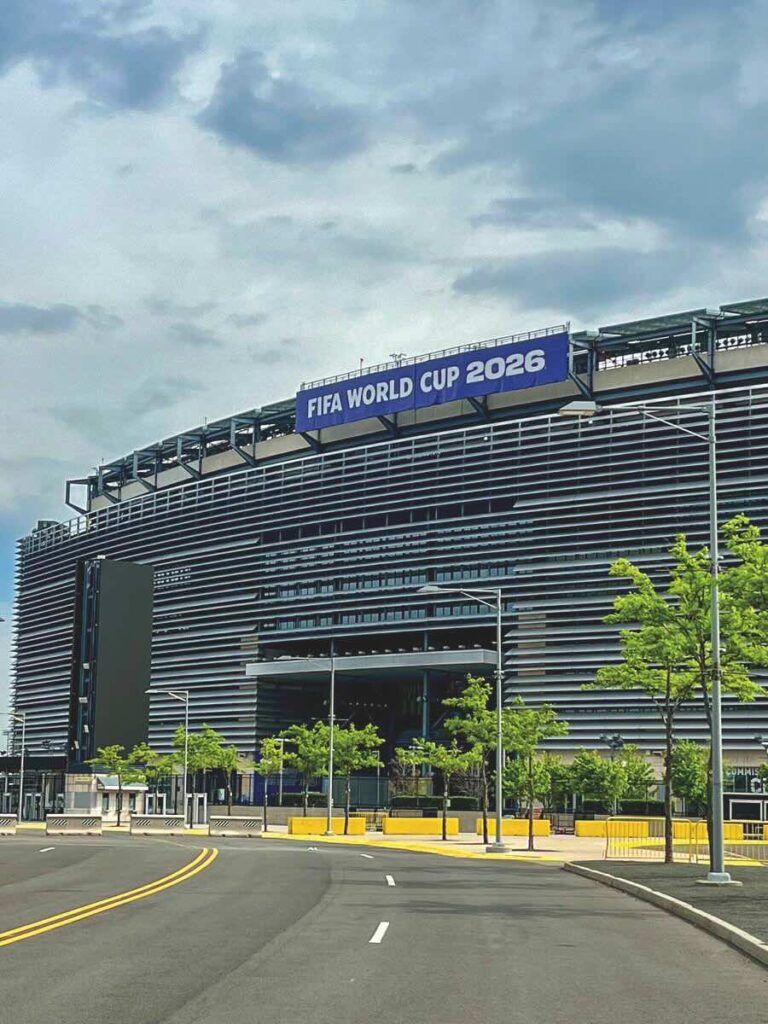
The digital revolution has further increased the value of those rights. Streaming services, social media platforms, mobile apps, and digital advertising networks now form an integrated ecosystem for football consumption. Fans no longer simply watch matches; they engage continuously through highlights, statistics, fantasy games, betting platforms, and social media discussions. FIFA monetizes this engagement through partnerships, licensing agreements, and direct commercial initiatives. Corporate sponsorship provides the second pillar of FIFA’s financial empire.
Global brands view the World Cup as one of the few marketing platforms capable of reaching virtually every demographic and geography simultaneously. Companies invest hundreds of millions of dollars for the privilege of associating their brands with football’s most prestigious competition.

The 2026 tournament has attracted an extraordinary roster of commercial partners spanning technology, finance, automotive, aviation, telecommunications, consumer goods, and hospitality sectors. These corporations are not merely purchasing advertising. They are buying access to one of the most emotionally powerful experiences in global culture. Few events generate the level of passion, loyalty, and attention that the World Cup commands.
The expansion of the tournament has also created new sponsorship categories. More teams mean more participating nations, more fan bases, and greater geographic reach. Brands gain access to new markets and emerging consumer segments that were previously absent from the World Cup ecosystem. For FIFA, this translates into higher sponsorship fees and broader commercial opportunities. Ticket sales and hospitality packages are another major revenue stream.
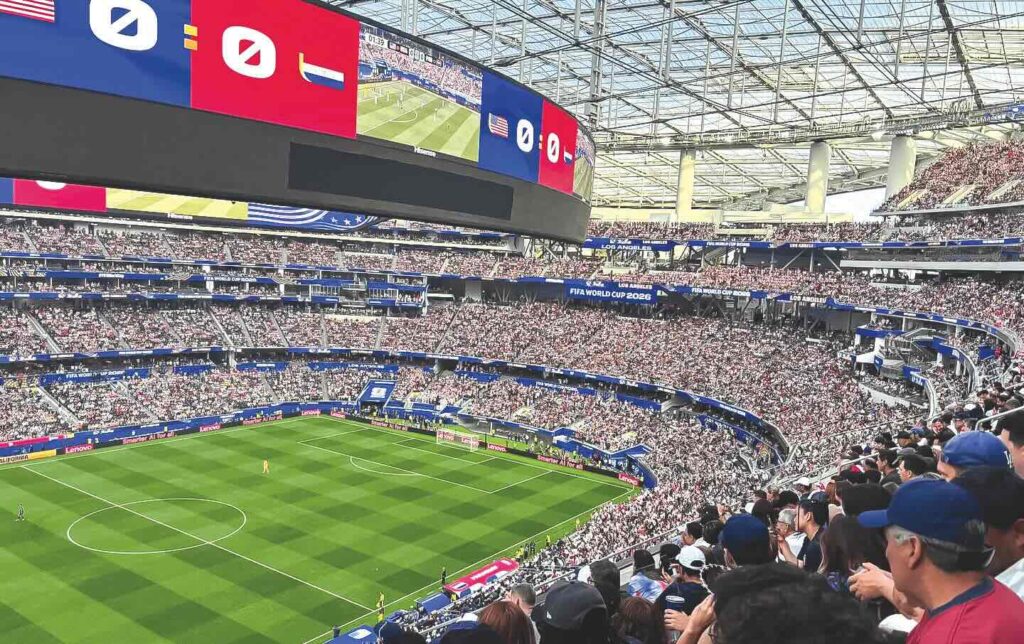
With 104 matches scheduled across 16 host cities in three countries, FIFA expects attendance to surpass every previous World Cup. Stadium capacities across North America are among the largest in global sports, allowing millions of spectators to attend matches. The premium end of the market has become especially lucrative. Corporate hospitality packages, luxury suites, VIP experiences, and exclusive networking events generate revenue far beyond ordinary ticket sales. For multinational corporations, hosting clients at World Cup matches has become a key business development strategy.
FIFA has increasingly focused on these high-margin offerings, recognizing that elite experiences can yield disproportionately large financial returns. The United States plays a particularly important role in FIFA’s revenue ambitions. America represents the world’s largest advertising market, the largest sports sponsorship market, and one of the most valuable media markets. While football has historically occupied a secondary position compared with American football, basketball, and baseball, its popularity has grown dramatically over the past two decades.
The presence of the World Cup in the United States provides FIFA with access to an enormous pool of corporate spending. American companies are expected to contribute heavily to sponsorship revenues, hospitality purchases, and marketing campaigns surrounding the tournament. The commercial potential of cities such as New York City, Los Angeles, Dallas, and Miami is significantly greater than that available to many previous host nations.
The host countries themselves are expected to experience enormous economic activity. Millions of international visitors will travel across North America during the tournament, generating spending on hotels, airlines, restaurants, transportation, entertainment, and retail. Local economies anticipate billions of dollars in direct and indirect economic benefits. For cities hosting matches, the World Cup functions as a global advertising campaign. Images of stadiums, skylines, landmarks, and local attractions will be broadcast worldwide.
Tourism authorities view the tournament as an opportunity to attract future visitors long after the final whistle has been blown. Merchandising has evolved into another sophisticated revenue engine. Official jerseys, apparel, collectibles, video games, digital products, and licensed merchandise generate significant income. Football fans increasingly seek products that connect them to their national teams and favorite players.
FIFA benefits through licensing agreements that allow manufacturers and retailers to produce official World Cup merchandise. The rise of e-commerce has transformed this segment. Fans no longer need to visit physical stores to purchase products. FIFA’s commercial partners can now sell directly to consumers in virtually every market around the world. This global distribution network significantly expands earning potential. Technology has become central to FIFA’s commercial strategy. Data analytics, artificial intelligence, digital fan engagement platforms, and personalized content delivery create new revenue opportunities while improving operational efficiency. Every interaction between a fan and FIFA’s digital ecosystem generates valuable information that can be used to enhance marketing effectiveness and commercial partnerships. The organization is also investing heavily in direct relationships with fans. Rather than relying solely on broadcasters and sponsors, FIFA increasingly seeks to own its audience through digital platforms, membership programs, and exclusive content. This strategy mirrors broader trends in global entertainment, where organizations aim to build direct consumer relationships and reduce dependence on intermediaries. Critics argue that FIFA’s relentless pursuit of revenue risks overshadowing sporting considerations.
The expansion to 48 teams has sparked debates over competitive balance and tournament quality. Some observers question whether the additional matches are driven primarily by commercial objectives rather than by sporting merit. Yet from a business perspective, the logic is compelling. More teams mean more countries participating. More countries create larger audiences. Larger audiences attract more sponsors and broadcasters. The commercial ecosystem expands accordingly.
FIFA’s leadership believes that broader participation strengthens both the sport and the organization’s financial foundation. The success of the 2026 World Cup could fundamentally alter the future of international football. Record revenues would provide FIFA with greater resources for development programs, infrastructure investments, and global expansion initiatives. At the same time, the tournament may establish a new benchmark for how major sporting events are monetized in the digital age. What emerges is a remarkable story of scale. Football remains the world’s most popular sport, yet FIFA has transformed that popularity into an economic powerhouse.
The 2026 World Cup is expected to draw billions of viewers, millions of visitors, thousands of sponsors and partners, and unprecedented commercial activity. When historians look back on the tournament, they may remember the goals, the champions, and the unforgettable moments on the pitch. Business leaders, however, may see something else: the moment when FIFA demonstrated that a sporting event could serve as global entertainment, international diplomacy, tourism promotion, a technology platform, and a commercial empire.
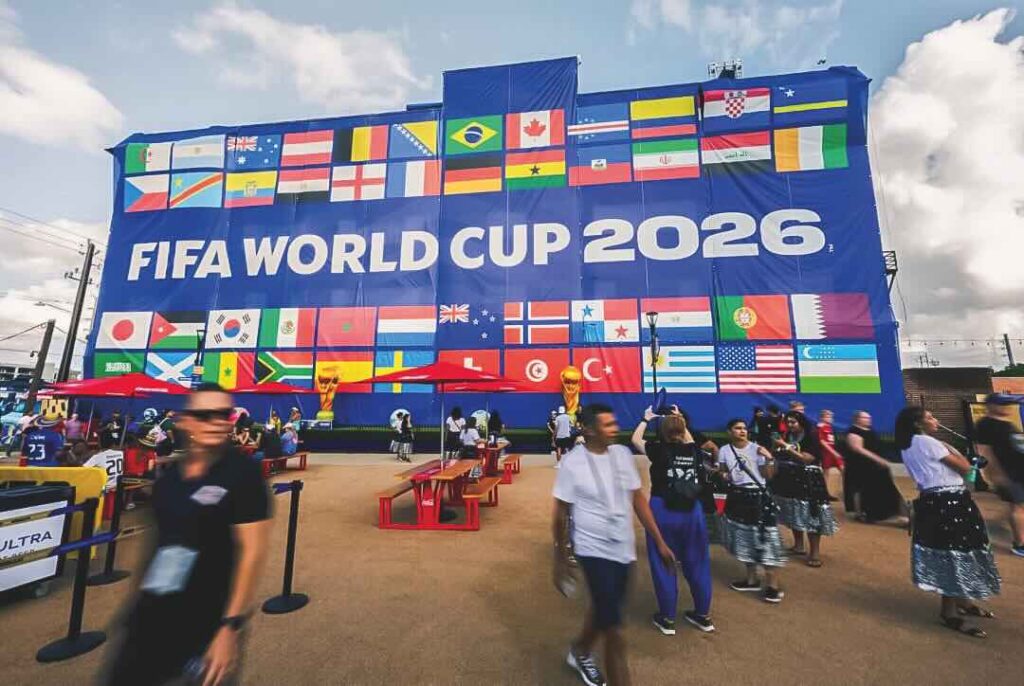
The 2026 FIFA World Cup is set to be far more than a football championship. It is the world’s biggest sporting business, operating at a scale few corporations can match and generating wealth on a level unimaginable when the World Cup began nearly a century ago. In transforming football into a multi-billion-dollar global enterprise, FIFA has created perhaps the most powerful money-making machine in modern sport.