

Words: Alexander Hartwell.
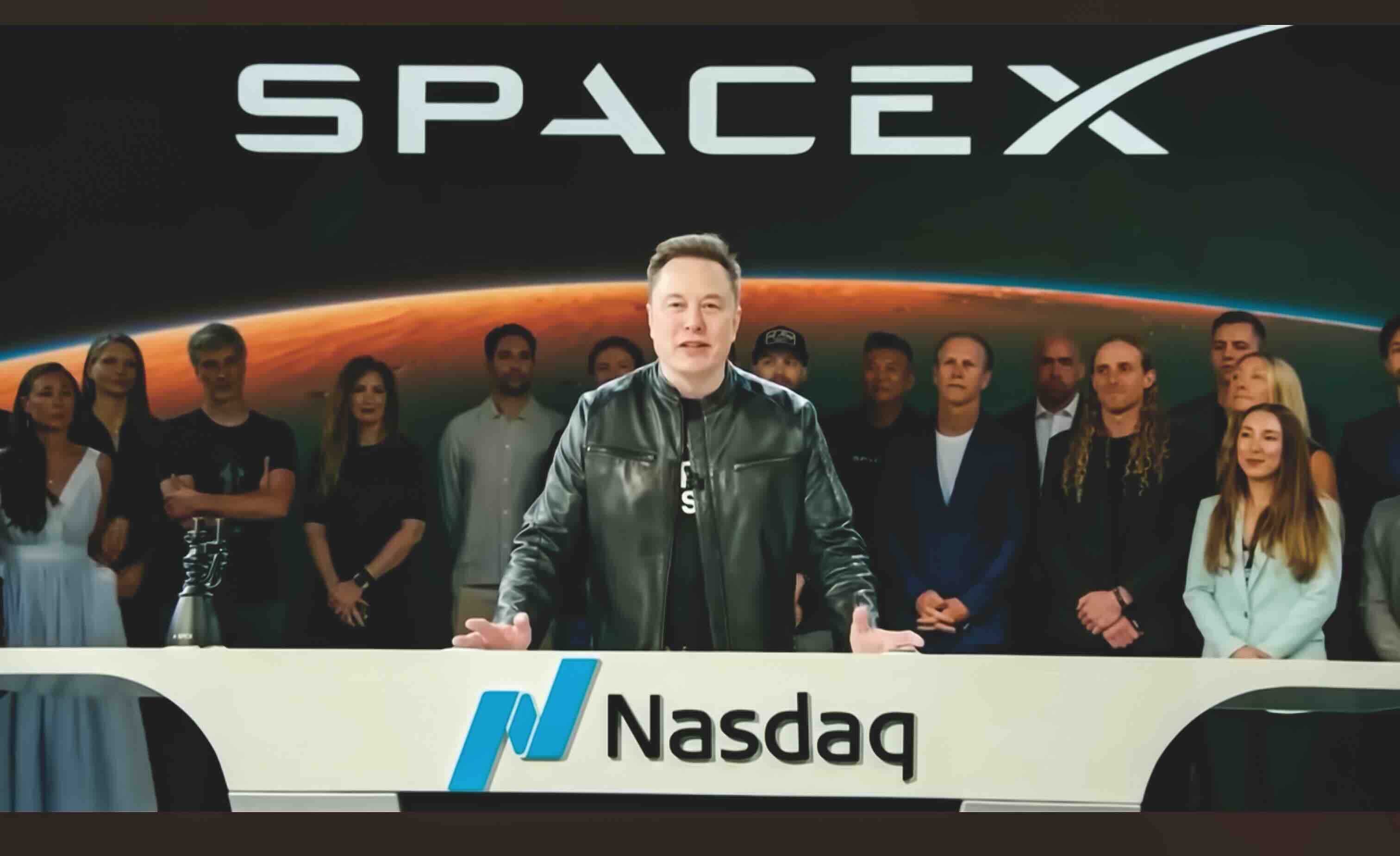
On June 12, 2026, global financial markets witnessed one of the most anticipated corporate events of the century: SpaceX’s public listing.
More than an initial public offering, it marked the arrival of the space economy as a mainstream investment sector and signaled a new chapter in the relationship between technology, capital, and human ambition.
The IPO propelled SpaceX to a valuation exceeding USD two trillion, placing it among the most valuable companies in history and elevating its founder, Elon Musk, to a personal net worth estimated at over USD one trillion.
In doing so, Musk became the first individual ever to reach trillionaire status, a milestone that underscores the extraordinary transformation of technology-driven entrepreneurship in the 21st century.
For decades, space exploration was largely the domain of governments and national agencies. SpaceX changed that equation. Through technological innovation, relentless execution, and an uncompromising vision, the company transformed spaceflight from a state-led endeavor into a commercially viable industry. Its IPO is not merely the success of a company but the emergence of a new economic frontier.
The listing shattered records and exceeded expectations. Investor demand was unprecedented, reflecting confidence not only in the company’s existing businesses but also in its long-term vision to expand humanity’s presence beyond Earth. The offering quickly became one of the most significant capital market events on record. The journey to this moment was anything but straightforward.
Founded in 2002, SpaceX set out on a mission many considered unrealistic: to reduce the cost of space transportation and, ultimately, enable human settlement on Mars. The company endured years of technical failures, financial pressure, and widespread skepticism. Early launch attempts ended in disappointment, and at times the company’s survival seemed uncertain.
Yet persistence and innovation changed the trajectory. The successful development of reusable rockets revolutionized the economics of spaceflight. Falcon 9 became the industry standard, significantly lowering launch costs and enabling a new era of commercial space activity. The company’s ability to repeatedly land and reuse rocket boosters transformed what had once been considered impossible into routine practice.
Today, SpaceX dominates the global launch market, operates one of the world’s largest satellite networks via Starlink, and continues developing Starship, the most ambitious spacecraft ever built.
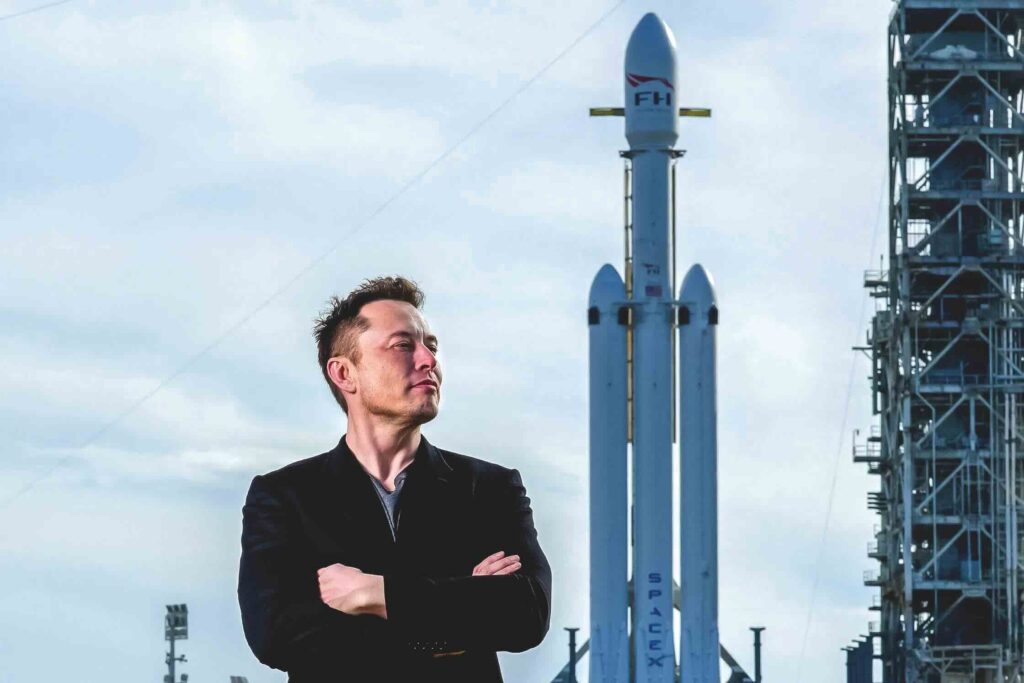
Investors were not merely buying shares in a rocket company. They were investing in an ecosystem spanning launch services, telecommunications, satellite infrastructure, artificial intelligence, defense applications, and the future of interplanetary transportation.
The IPO also marked a landmark moment in business history. By surpassing the trillion-dollar personal wealth threshold, Elon Musk entered territory once unimaginable, even among the world’s richest entrepreneurs.
From the industrial fortunes of the nineteenth century to the technology titans of the modern era, no individual had ever accumulated wealth on such a scale. The achievement reflects not only SpaceX’s success but also the broader impact of Musk’s ventures across multiple industries. Tesla transformed perceptions of electric vehicles and accelerated the global shift toward sustainable transportation.
SpaceX redefined aerospace economics. Starlink created a communications network connecting remote regions of the world. Other ventures have explored artificial intelligence, robotics, and advanced technologies that could shape future industries.
The scale of Musk’s wealth has inevitably sparked debate. Supporters view it as evidence of the value created by innovation and risk-taking. Critics see it as a symbol of growing wealth concentration in the modern economy. Regardless of perspective, few dispute that Musk has become one of the most influential business leaders of his generation. Speaking on June 12 following the company’s historic market debut, Musk focused less on wealth and more on purpose.
Addressing employees, investors, and supporters, he reflected on the company’s origins and the challenges it overcame. He emphasized that the IPO should not be viewed as the culmination of SpaceX’s journey, but rather as a mechanism for accelerating its mission. He reiterated a theme that has guided the company since its founding: ensuring humanity’s long-term survival and expansion by becoming a multi-planetary civilization.
Musk spoke about the importance of reducing barriers to space access, inspiring future generations of scientists and engineers, and building infrastructure that could eventually support permanent settlements beyond Earth.
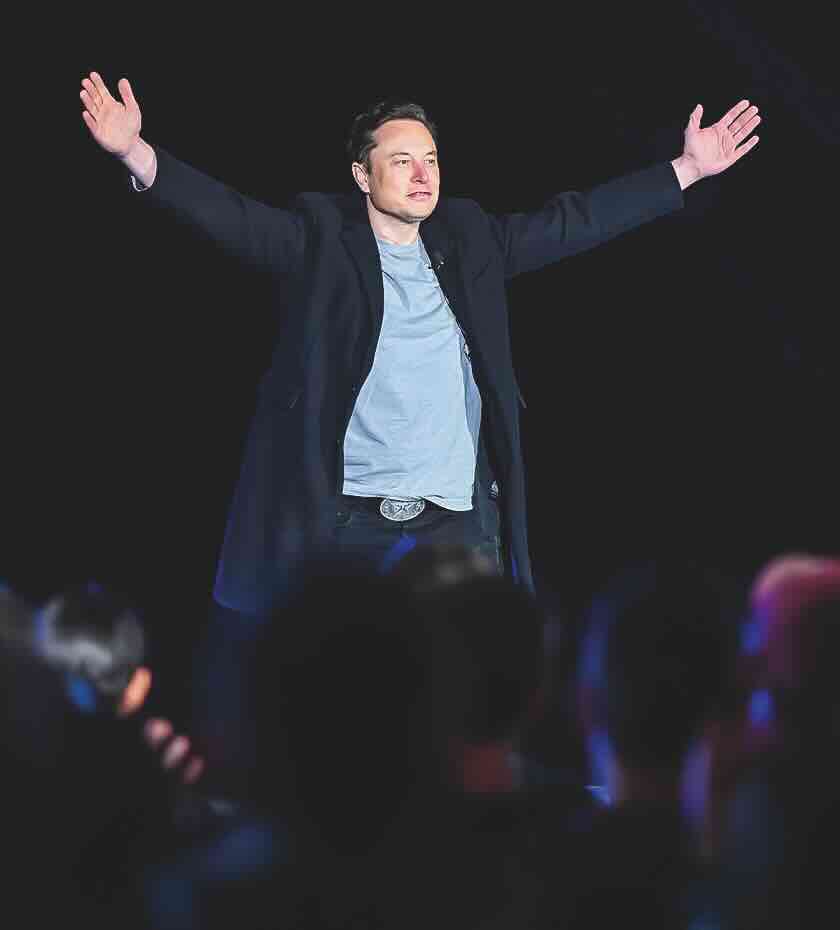
For Musk, the IPO’s significance lies not in creating a trillionaire but in creating a financial platform capable of funding projects that extend far beyond traditional business horizons. The ultimate objective, he suggested, remains unchanged: making humanity a species not confined to a single planet. Traditional valuation models struggle to explain how a company can be worth more than USD two trillion. SpaceX continues to invest heavily in research, development, manufacturing, and infrastructure. Yet investors have assigned it a valuation comparable to that of the largest corporations in the world. Several factors help explain this confidence.
Starlink has emerged as one of the most significant components of the SpaceX ecosystem. Unlike traditional aerospace businesses that rely on periodic contracts, Starlink generates recurring subscription revenue from millions of users.
The network provides internet access to remote communities, maritime operators, aviation customers, governments, and businesses worldwide. This recurring revenue model offers a degree of stability uncommon in the space sector.
SpaceX has also established itself as the dominant player in commercial launches. Its reusable rocket technology continues to deliver significant cost advantages over competitors.
As demand for satellites, communications infrastructure, scientific missions, and defense applications grows, SpaceX remains well-positioned to capture a substantial share of future launch activity. Investors increasingly view SpaceX as an infrastructure company for the digital age. The convergence of space-based communications, data networks, and artificial intelligence creates opportunities that extend well beyond traditional aerospace markets.
SpaceX’s assets could become critical components of future global technology ecosystems. Perhaps the most compelling element of the investment thesis remains the company’s long-term vision. Starship is more than a transportation system. It is designed to be the foundation for sustained human activity beyond Earth. While such ambitions remain years away from full realization, investors recognize that success could unlock entirely new industries and economic opportunities. The success of the SpaceX IPO may reshape how investors think about innovation.
For years, many transformative companies remained private for extended periods, concentrating value creation among founders and institutional investors. SpaceX’s public listing has reintroduced the broader investing public to the possibility of participating in large-scale technological revolutions.
The offering also arrives during a period of intense interest in artificial intelligence, advanced manufacturing, and next-generation infrastructure. It demonstrates that investors remain willing to support bold visions when they are backed by tangible achievements and proven execution.
In many respects, SpaceX has become a symbol of long-term thinking in an era often dominated by short-term results. Despite its remarkable success, SpaceX faces significant challenges. Competition in the space sector continues to intensify. Governments and regulators will closely monitor the growing influence of private companies in strategically important industries.
Developing Starship remains technically demanding, and future Mars ambitions will require enormous resources and sustained commitment. The company must also meet the expectations that come with a multi-trillion-dollar valuation.
History shows that maintaining leadership can be as difficult as achieving it. The SpaceX IPO is far more than a financial transaction. It marks a moment when public markets embraced the idea that humanity’s economic expansion may extend beyond Earth.

Investors no longer view space solely as a scientific endeavor or a government-funded activity. Increasingly, they see it as a legitimate commercial frontier with transformative potential. Whether SpaceX ultimately justifies its valuation will be determined over the coming decades. Yet its impact is already undeniable. The company has changed how rockets are built, how satellites are deployed, how remote communities connect to the internet, and how people view humanity’s future in space.
June 12, 2026, will likely be remembered as the day the space economy entered the mainstream and as the moment Elon Musk became the world’s first trillionaire. More importantly, it may be remembered as the day investors placed their biggest bet yet on humanity’s future beyond Earth.