

As senior marketers operating within Sri Lanka’s shifting economic environment, we have long recognized that trust is the cornerstone of brand strength.
Today’s landscape – defined by a recovering economy, increasingly cautious consumers, and new ways of working – offers a rare opportunity to strengthen that foundation. Trust has evolved beyond a survey metric; it has become an active, high-value currency that enables brands to build deeper, more authentic relationships with their audiences. Across the country, influencer marketing has become a familiar part of the digital toolkit. But the way we approach it must change fundamentally. We are no longer in an era when polished, aspirational content is enough to drive effective engagement.
Our consumers are under immense financial strain, and their sensitivity to anything that feels misleading has sharpened dramatically in many cases, quite understandably.
The widening trust gap
Sri Lankans are making difficult choices every day. When budgets are stretched to the limit, many consumers don’t simply lose interest in brands that waste their attention – they actively push back against those that manipulate their hopes through disingenuous influencer content. A luxury product promoted by someone who appears detached from the audience’s reality is no longer just out of touch; it is perceived as exploitative. This is the trust gap. When influencers disguise ads as personal recommendations, consumers – now more vigilant than ever – instantly spot the insincerity. In a market where every purchase is carefully considered, brands that fail to acknowledge their audience’s lived experience quickly fall out of favor. Social media amplifies this backlash, often damaging reputations within minutes or hours. More critically, this environment is unfolding against a backdrop of a widespread, noticeable deterioration in service levels across Sri Lanka. This decline largely reflects the immense economic and social pressures currently facing frontline service staff, who are struggling to maintain quality amid increasingly difficult conditions. I have seen several Colombo-based brands that have tried to gloss over product flaws and service issues through aggressive influencer promotion. When brands prioritize image-building over fixing fundamental weaknesses in their product and service quality, they create a gap between what they project and what customers actually experience. This inconsistency erodes brand equity and trust, and invites swift, public criticism – especially online, where consumer frustration spreads quickly.
Being accountable
In the current landscape of Sri Lankan consumerism, where trust is fragile, we recently saw this dynamic play out in the public eye when a brand took accountability. When a prominent national espresso bar chain was flagged by the Consumer Affairs Authority for expired and short-shelf-life items, a typical corporate response seemed inevitable – vague statements, generic apologies, and little substance. Instead, the company’s CEO chose a radically different approach. Using his personal platform, he addressed the issue directly. He acknowledged that although the brand had strong systems in place, the final step still relied on human execution to physically clear the shelves. Admirably, he refused to blame his staff or external circumstances. His message was clear: “This is a leadership problem. We haven’t communicated our purpose and values well enough, and when I look in the mirror, that’s where I see the problem.” The public reac tion was overwhelmingly positive. It proved that in a climate of heightened consumer skepticism, consumers are not demanding perfection – they are craving and even demanding authenticity. By responding as a human being rather than a corporate entity, the organization’s leadership completely transformed the narrative. It was a clear reminder: audiences don’t expect flawlessness, but they do expect brands to be real. When things go wrong, radical honesty and transparency are the only currency that protects a brand’s reputation.
It is evident that for Sri Lankan brands to thrive in the current climate, with skepticism remaining high, they must move beyond superficial marketing and re-examine their core values and purpose. Authenticity is no longer optional, and messaging must reflect real relevance. As seen in a recent controversy involving a major tea brand, ignoring the audience’s lived reality is a direct route to public backlash.
The shift toward advocacy
The era of influencer partnerships built purely on aesthetics is fading. The future for Sri Lankan brands lies in genuine advocacy – which means moving away from scripted endorsements toward relationships built on honesty and shared purpose. The Chartered Institute of Marketing’s ongoing commentary on the evolution of influence highlights a critical shift here: micro and nano-influencers now outperform celebrity figures in trust and engagement. Why is that the case? The answer is that their strength lies in relatability – and they reflect the everyday experiences of their communities. The very definition of an influencer has evolved. It is no longer about celebrity status or aspirational lifestyles; influence today is grounded in relatability, relevance, and the ability to form genuine human connection. Audiences crave creators who feel like ‘one of them’, not distant figures living unattainable lifestyles. Trust, relevancy, and consistency – not follower count – now define true influence.
The Chartered Institute of Marketing’s ongoing commentary on the evolution of influence highlights a critical shift here: micro and nano-influencers now outperform celebrity figures in trust and engagement.
We see SMEs succeeding with the same formula, often outpacing larger businesses in building authentic connections. Many local sustainable brands – selling organic soaps, handloom goods, or handmade accessories – have either opted against using celebrities altogether or have shifted toward collaborations with micro-influencers such as home cooks, parents, or artisans who showcase produc ts in their ever yday environments. By putting relatable people in the spotlight, these brands communicate the value of their products and services through genuine lived experiences rather than polished endorsements. This approach helps to turn simple promotions into relatable narratives. When a brand aligns with the actual pulse of the nation, it doesn’t need to ‘sell’ a lifestyle; it becomes part of the one many consumers already live every day. True advocacy respects the financial realities of the audience – and doesn’t sell them a dream. It involves influencers who take the time to understand the products they promote, how those products meet real needs of those they are targeting with their promotion, and how they fit into a household budget under constant pressure from external factors, which are often out of their control. If the influencer doesn’t look like they live in the same world as the consumer, the message will ultimately fail. Audiences today are highly educated about how brand partnerships work. They know influencers are paid, and they expect transparency. Partnerships that feel misaligned, opportunistic, or irrelevant are immediately criticized, while those that feel natural and value-adding are celebrated.
The role of the Global Professional Marketing Framework
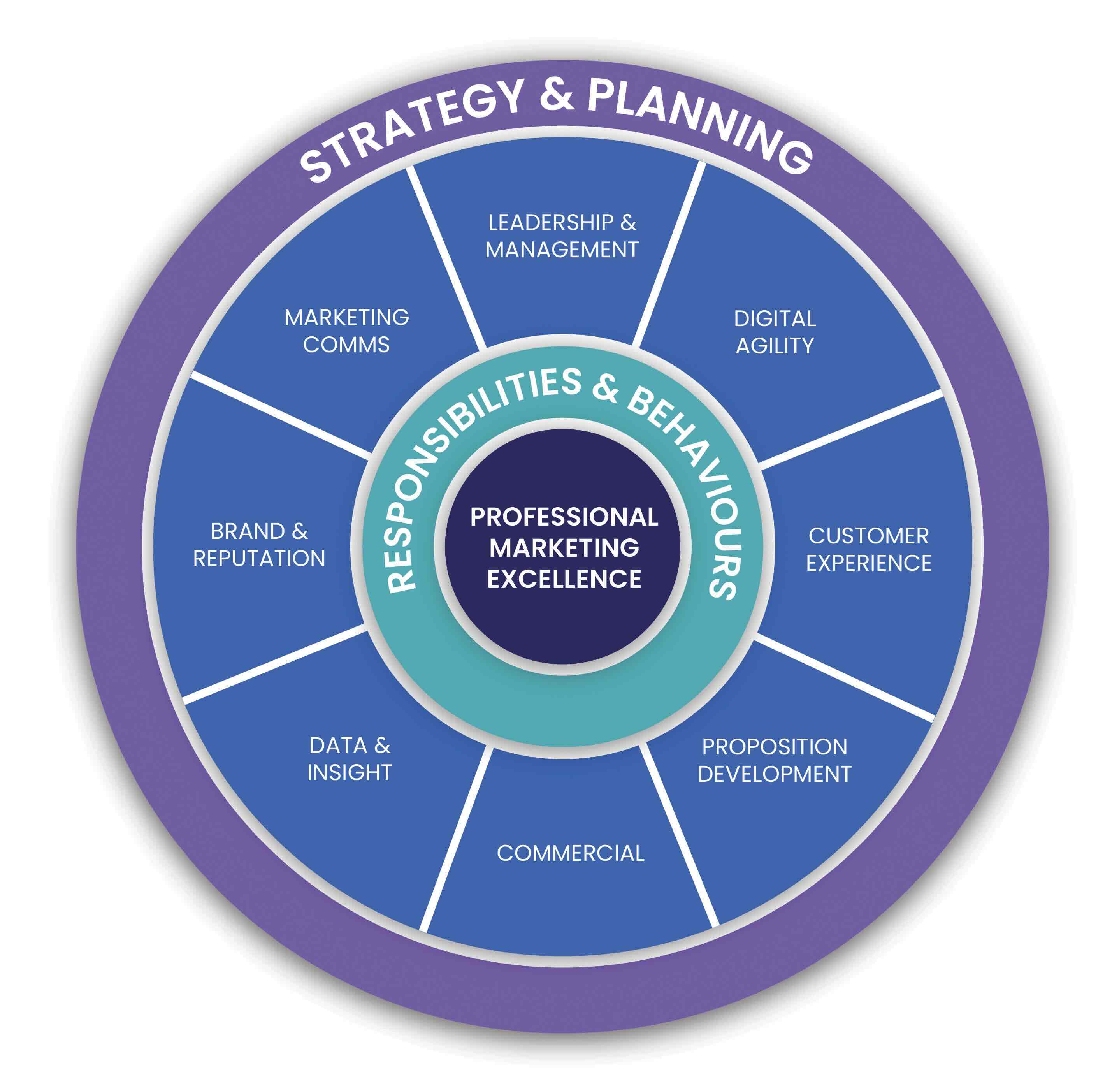
How do we guide our teams and business leaders through this tricky phase while continuing to drive revenue through influencer partnerships? We must look to professional frameworks. Implementing standards such as CIM’s Global Professional Marketing Framework (GPMF) is not just a theoretical or tick-box exercise; they are essential for the long-term health of Sri Lanka’s private sector. The GPMF brings the discipline that many influencer strategies currently lack. Emphasizing customer insight, ethics, and long-term brand stewardship helps marketers move from short-term tactics to sustainable growth. A perfect example of applying this framework is how we handle transparency. While Sri Lanka’s regulatory framework for digital disclosure is still maturing, proactively adopting standard professional practices – such as clear and unambiguous #Ad or #Sponsored tagging – ahead of formal legislation is a textbook example of using frameworks like the GPMF to drive international best practice in emerging markets. For CEOs and boards, this is ultimately about protecting the business, both in terms of revenue and reputation. Poor influencer decisions are not minor missteps; they can undermine years of brand-building. A structured, ethical approach safeguards reputation and ensures every campaign strengthens the brand, not erodes trust.
A call to leadership
Honesty isn’t optional—it is the only viable marketing strategy in Sri Lanka today. Business leaders must demand more than reach and engagement metrics from their marketing teams. They must insist on ethical strategies that balance brand ambition with social awareness. As we navigate a challenging period, our responsibility is to ensure our marketing efforts create value rather than noise. By prioritizing ethical influencer practices, we protect our brands and respect the resilience of the Sri Lankan consumer. Trust is hard to earn and easy to lose. Let us be the leaders who rebuild it through transparency, integrity, and unwavering professional standards.
By Dhamitha Pathirana (FCIM), Vice Chair, CIM Sri Lanka Professional Member Support Committee (SLPMSC)