
In August 2026, City of Dreams Sri Lanka marks its first anniversary, reaching an important milestone in its ambition to redefine Colombo as a destination for tourism, business, and entertainment.
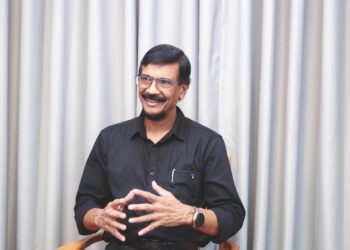
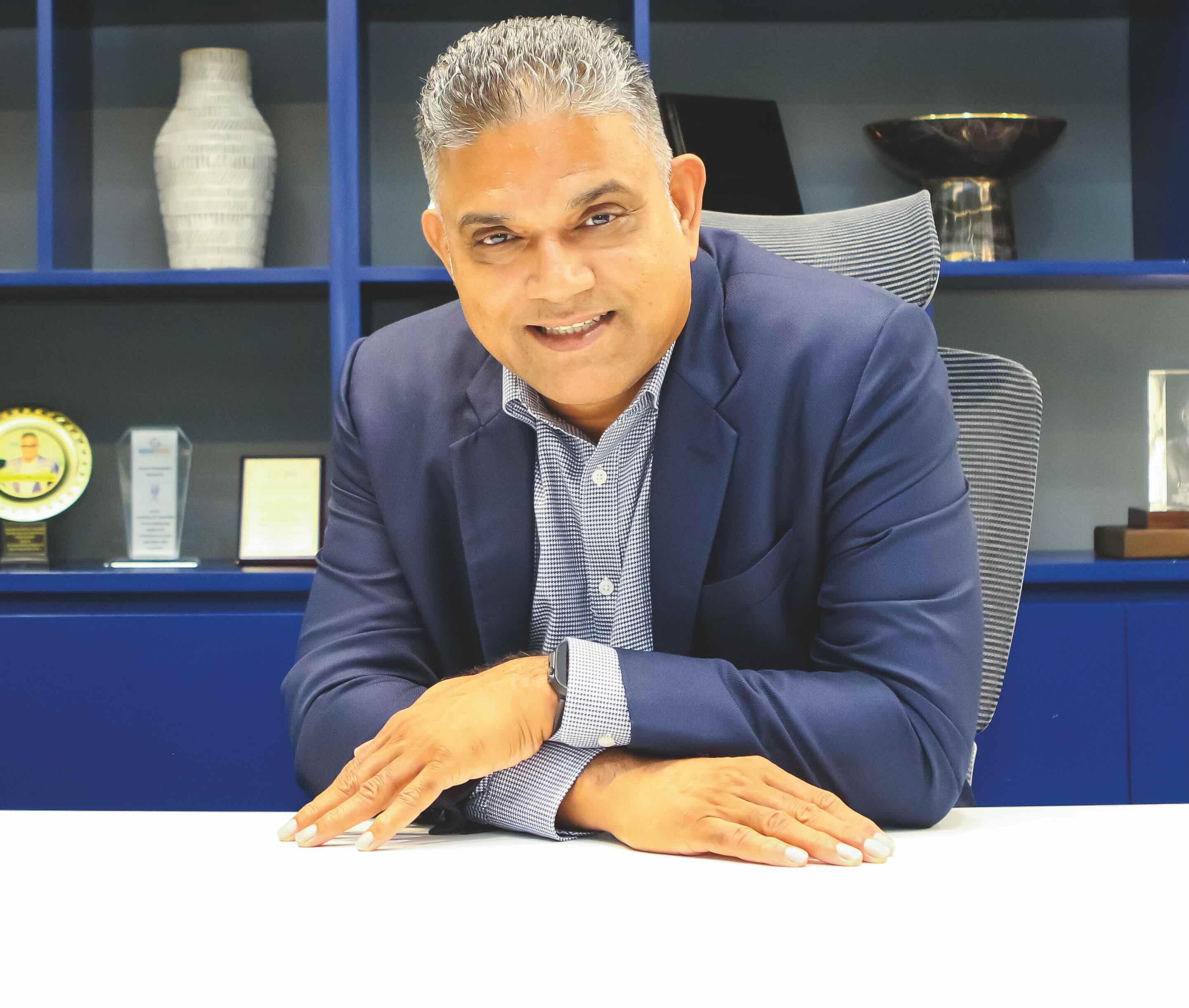
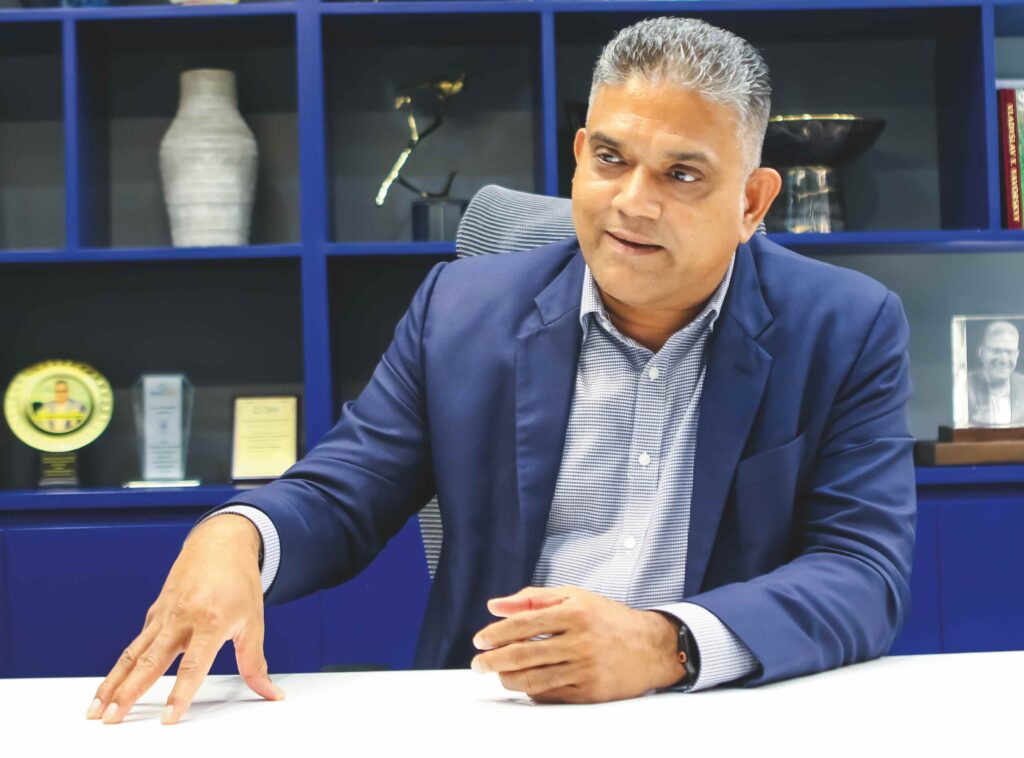
Speaking with Business Today, Senior Vice President, Colombo Hotels and General Manager, Cinnamon Life at City of Dreams Sri Lanka Kamal Munasinghe reflects on the integrated resort’s first year, its contribution to Sri Lanka’s tourism landscape, the opportunities ahead, and his vision for positioning Colombo as a regional destination.
Words: Jennifer Paldano Goonewardane.
Photography: Sujith Heenatigala and Dinesh Fernando.
City of Dreams Sri Lanka was envisioned as more than a hotel — it was meant to redefine Colombo. As you complete your first year of operations, how would you assess whether your original vision has been realized?
I think that is a very good way to evaluate the first year of City of Dreams Sri Lanka. When John Keells decided to invest in this project, the intention was to redefine hospitality in Sri Lanka and reshape the Colombo hospitality landscape. Looking back since the opening of the fully integrated resort in August 2025, I believe we have already seen meaningful changes in the market.
One of the most significant developments has been Colombo’s growing recognition as a destination capable of hosting large-scale MICE events. For such events, the quality of facilities is critical – not only the convention and event spaces, but also the range of food and beverage offerings, entertainment options, and the ability to provide a comprehensive experience within a single destination. This has enabled Sri Lanka to attract international events that it may not previously have considered.
A good example is the global auditing firm that held a two-week event with around 3,000 delegates in May. Their decision to choose Sri Lanka was influenced by our ability to accommodate a large number of guests, host multiple events under one roof, and provide the supporting hospitality and entertainment infrastructure required for an event of that scale. Importantly, the impact extends beyond City of Dreams Sri Lanka itself. Events of this nature also benefit hotels and businesses in the surrounding area, creating wider economic value for the city. That, in my view, is one of the clearest indicators of how a development like City of Dreams Sri Lanka can help change the Colombo hospitality landscape. Another important aspect is destination exposure. Historically, Colombo has often been seen as a transit or one-night destination, with travelers arriving and then moving on to other parts of the country.
A product such as City of Dream Sri Lanka gives Colombo a stronger proposition as a destination in its own right. We are encouraged by what has been achieved within the first year. At the same time, we recognize that this is only the beginning, and there is still considerable work ahead as we continue to develop the destination and strengthen its position internationally.
Sri Lanka has traditionally marketed itself through beaches, heritage, wildlife, and nature. City of Dreams Sri Lanka introduces a different proposition — urban luxury, entertainment, lifestyle, and business tourism. How important is this diversification for Sri Lanka’s tourism future?
For many years, those were the experiences most closely associated with the country. During my time in Europe, whenever I said I was from Sri Lanka, people immediately spoke about its beaches, sun, and coastline. While those remain important strengths, Sri Lanka has far more to offer. Within a relatively small geographical area, the country offers an extraordinary diversity of experiences. Colombo itself has evolved significantly over the past few years. Today, visitors can enjoy a growing culinary scene, cultural experiences, urban attractions, and even diving during the appropriate season. Developments such as Port City have also added new recreational spaces to the city. This is where City of Dreams Sri Lanka complements Sri Lanka’s existing tourism proposition. An integrated resort, together with a strong MICE offering, helps position Colombo as more than a transit destination.
Historically, many visitors spent only a night in the city before traveling elsewhere. Today, we are seeing average lengths of stay increase to two or three nights, driven in part by conferences and business events that typically span several days. MICE business now represents a significant share of our occupancy and helps extend visitor stays.
Equally important is that City of Dreams Sri Lanka is not designed solely for guests staying within the property. It enhances Colombo’s overall tourism offering. Visitors staying at other hotels can also enjoy the entertainment, dining, retail, and lifestyle experiences available here. The integrated resort brings together two hotels—Cinnamon Life with 687 rooms and Nuwa with 113 rooms—along with a diverse range of dining outlets, retail facilities, and entertainment experiences within a single destination. Throughout the year, we curate international culinary collaborations, beverage programs, and live entertainment by bringing recognized experts and performers to Sri Lanka. For example, during our first anniversary celebrations, we welcomed an internationally acclaimed flair bartender for a two-month residency, while we are also hosting a Swiss culinary promotion. These initiatives provide experiences that would otherwise require international travel. Beyond physical development, the objective is to create a destination that remains active year-round. Live music, theater, cultural performances, culinary events, and other forms of entertainment all contribute to making Colombo a more vibrant city for both international visitors and local audiences.
Globally, successful urban destinations are defined not only by their accommodation but also by the quality and diversity of the experiences they offer. Gastronomy, entertainment, culture, and business events all play an important role in attracting visitors and encouraging them to stay longer. That is the role City of Dreams Sri Lanka is intended to play in Colombo. Our focus now is to build on what we have established during the first year and continue expanding the experiences available, not only within City of Dreams Sri Lanka but also in ways that contribute to the broader development of Colombo as a destination.
Integrated resorts have transformed destinations such as Singapore, Macau, Dubai, and Las Vegas. What lessons have you drawn from these global models, and how are you adapting them to Sri Lanka’s context?
City of Dreams Sri Lanka is South Asia’s first fully integrated resort, and that in itself represents a significant milestone. If you look at destinations such as Singapore, you’ll see that integrated resorts have fundamentally changed how those cities are perceived internationally.
We believe City of Dreams Sri Lanka has the potential to play a similar role in strengthening Colombo’s position as a regional tourism and business destination. The key lesson from these global models is that an integrated resort attracts a different segment of travelers. Colombo already has a strong portfolio of quality hotels, and Sri Lanka is recognized for its hospitality. However, an integrated resort offers a much broader proposition by combining accommodation, meetings and events, dining, entertainment, and lifestyle experiences within a single destination. This is particularly important for the MICE segment. When organizations evaluate destinations for major conferences or corporate events, Colombo can now be considered alongside established integrated resort destinations. The availability of world-class event facilities, diverse dining options, and entertainment within one integrated development makes the city more competitive for international business events. City of Dreams broadens Sri Lanka’s tourism appeal by attracting visitors who may not previously have considered Colombo. That creates opportunities not only for the resort but also for the wider tourism industry and the city as a whole.
This is where City of Dreams Sri Lanka complements Sri Lanka’s existing tourism proposition. An integrated resort, together with a strong MICE offering, helps position Colombo as more than a transit destination.
Do you believe City of Dreams Sri Lanka has the potential to become a regional attraction — something that encourages travelers to include Colombo as a destination in its own right rather than simply as a transit point?
Yes, I believe it has that potential. One of our largest source markets is India, where travelers increasingly choose destinations not only for where they are going, but also for the range of experiences available once they arrive. An integrated resort strengthens Colombo’s competitiveness by offering a more comprehensive proposition. It also allows Colombo to be considered alongside established regional destinations, particularly for travelers seeking a combination of hospitality, entertainment, dining, and business facilities. That creates opportunities to attract visitor segments that may not previously have considered Sri Lanka. We are also seeing opportunities beyond our traditional leisure markets.
European travelers have historically visited Sri Lanka primarily for holidays, but integrated resorts create a compelling proposition for corporate incentive travel and business events as well. This enables us to attract a different category of visitor while complementing the country’s established leisure tourism. As these new segments develop alongside traditional tourism, they have the potential to increase visitor arrivals, extend the length of stay, and diversify Sri Lanka’s tourism base. Our first year has been about establishing that foundation, and we see considerable opportunity to build on it in the years ahead.
Maintaining relevance requires continuous innovation. A key part of our strategy is to offer a diverse calendar of events and experiences while ensuring that our entertainment and lifestyle offerings evolve with changing consumer preferences and global trends.
What markets do you see as having the greatest potential for City of Dreams Sri Lanka — India, China, the Middle East, Southeast Asia, Europe, or another segment? Why? All of those markets are important to us, but the common factor is connectivity. Air access is one of the biggest determinants of tourism growth, particularly for an integrated resort that attracts both leisure and business travelers. India remains our largest source market and will remain a priority. With close to 190 weekly flights and flight times of just one to three hours from most major Indian cities, Sri Lanka is highly accessible. India also represents significant opportunities for MICE, destination weddings, and short leisure breaks.
China is another market with considerable long-term potential. While visitor numbers have yet to recover to pre-pandemic levels due to reduced air connectivity, we are already seeing positive momentum. We have invested in this market through dedicated sales teams, Mandarin-speaking professionals, and our global sales network to position City of Dreams Sri Lanka effectively as connectivity improves.
Across Southeast Asia, markets such as Malaysia and Vietnam are also important. Strong air links and the presence of multinational companies make these countries attractive for corporate events and incentive travel. Similarly, Japan and South Korea offer good long-term potential, although improved flight connectivity will be key to unlocking greater demand. Australia has emerged as one of Sri Lanka’s leading source markets.
Australian travelers are already familiar with integrated resorts, so City of Dreams Sri Lanka provides an additional reason to consider Colombo. The expansion of air services, including new routes, further strengthens this opportunity. Europe remains a strategically important market. While connectivity has been affected by developments in the Middle East, additional direct services expected during the winter season should improve accessibility. We also see growing opportunities to attract European corporate groups alongside the traditional leisure segment. The Middle East is another market with significant potential.
In addition to regional travelers, it is home to large expatriate communities, including Indian and European professionals, creating opportunities for leisure travel, destination weddings, and corporate events. The strong air connectivity between Sri Lanka and the Middle East provides a solid foundation for further growth. The most important aspect is how effectively we communicate our message and consistently build awareness in the markets we have identified.
Our objective is to showcase what Sri Lanka has to offer beyond its traditional appeal. By highlighting the broader range of experiences available—from business events and entertainment to dining and lifestyle—we can attract new visitor segments and encourage longer stays. That is how we believe we can contribute to increasing tourist arrivals and further strengthening Sri Lanka’s position as a destination.
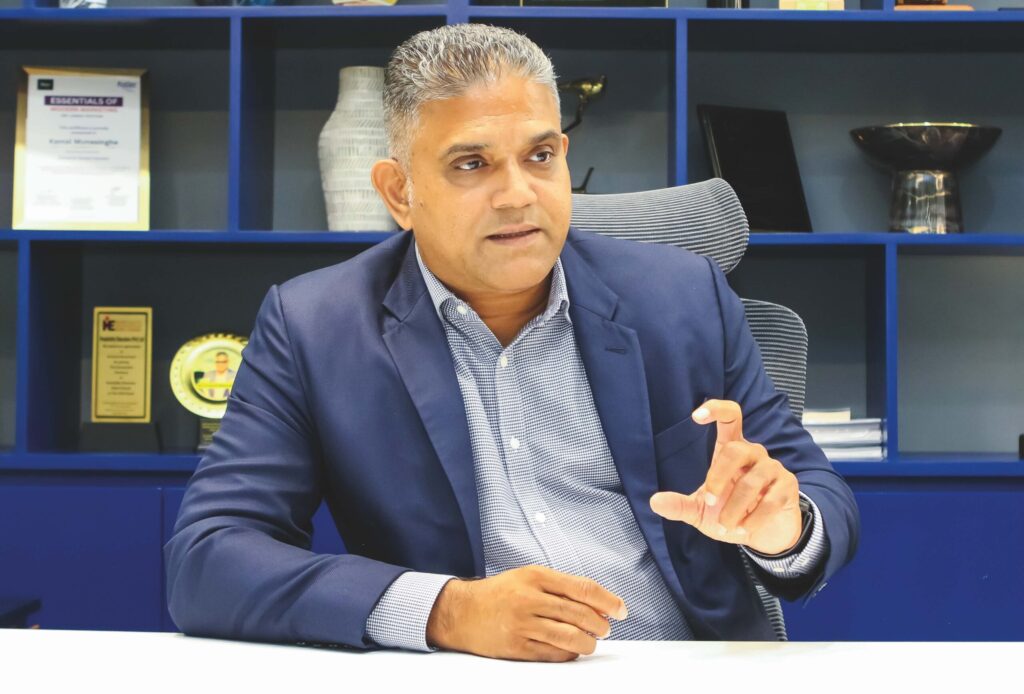
How important is MICE tourism to City of Dream Sri Lanka’s long-term strategy, and what role can it play in bringing high-value visitors to Sri Lanka?
MICE tourism is a key pillar of our long-term strategy because it enables Sri Lanka to attract high-value events that may not have considered the country before. Sri Lanka has always hosted MICE events, but they have generally been smaller in scale due to limitations in capacity and integrated facilities. Our objective is to attract larger international conferences, corporate meetings, and incentive programs that require world-class infrastructure and a comprehensive hospitality offering.
To achieve this, we are engaging directly with source markets rather than relying solely on intermediary partners. We believe it is important to present our proposition firsthand, demonstrate City of Dreams Sri Lanka’s capabilities, and give event organizers the confidence that we can deliver a seamless, customized experience for their delegates.
Understanding the requirements of different markets is equally important. India, for example, is one of Sri Lanka’s largest MICE markets, and catering to diverse dietary preferences is essential. We have invested accordingly, with specialist culinary teams and a wide range of dining options, alongside Japanese, Western, and Sri Lankan cuisines, ensuring we can accommodate the varied needs of international groups.
Creating awareness is another priority. An integrated resort of this scale is new to Sri Lanka, and it is our responsibility to ensure international markets understand what is now available. Our commercial teams are actively engaging with key markets, including India, Bangladesh, Pakistan, the Middle East, Japan, and South Korea, to position Colombo as a viable destination for major international events. Another significant advantage is our overall capacity.
City of Dreams Sri Lanka combines Cinnamon Life and Nuwa, while also benefiting from the wider Cinnamon Colombo portfolio. We have aligned the commercial teams across Cinnamon Life, Cinnamon Grand, Cinnamon Lakeside, and Cinnamon Red to market Colombo as a unified destination.
Collectively, these properties provide extensive accommodation, multiple ballrooms, diverse event spaces, and more than 25 food and beverage outlets, enabling us to host events for 3,000 to 4,000 delegates. That combined proposition is a significant competitive advantage. We are not promoting a single integrated resort in isolation; we are offering organizers the scale, flexibility, and hospitality ecosystem required to host major international events in Colombo.
While hospitality is one component, the wider entertainment offering, including gaming, dining, retail, and events, generates additional economic activity and attracts visitor segments that may not otherwise travel to Sri Lanka. MICE travelers, for example, typically stay for several days and often extend their visits for leisure, sometimes traveling with their families. This creates opportunities to spend beyond the resort, whether through shopping, dining, transport, or visiting attractions in other parts of the country. A key objective is to encourage visitors to spend more time in Colombo.
Historically, the city has been viewed largely as a transit point, with many travelers staying just one night before continuing their journey. By offering a broader range of experiences, an integrated resort gives visitors more reasons to remain in the city for two, three, or even four nights. That additional time has a multiplier effect across the economy. Visitors use taxis and tuk-tuks, dine at independent restaurants, shop at local businesses, and explore nearby attractions. We are also working with local tourism stakeholders to promote Colombo’s heritage and cultural experiences, such as the history of the Kotte Kingdom, allowing visitors to engage more deeply with the destination.
Today’s traveler seeks authentic local experiences alongside world-class hospitality. They want to experience the culture, cuisine, and lifestyle of the places they visit. As a Sri Lankan brand, we see it as our responsibility to help connect visitors with those experiences.
At City of Dreams Sri Lanka, we have hotels, a convention center, retail, entertainment, and gaming, each with its own specialist teams and operating structures. The challenge is to ensure these individual components work together to create a unified guest journey rather than functioning as separate businesses.
Colombo is evolving as a lifestyle destination with new entertainment, dining, and recreational experiences emerging across the city. How important is the wider development of the city in encouraging visitors to extend their stay beyond City of Dreams Sri Lanka?
The success of an integrated resort is closely linked to the strength of the destination around it. Visitors need a variety of experiences beyond the hotel to extend their stay in the city. Before the disruption caused by the Middle East conflict, Colombo’s hotel occupancy had increased to around 65–70 percent, compared with approximately 50 percent a year earlier.
Although the conflict affected travel demand, occupancy levels have remained stronger than before. That is an encouraging indicator of the city’s progress as a destination. As visitor numbers increase, they also create greater confidence for private investment. Businesses are more willing to invest in new concepts when they see growing demand and increased visitor spending.
Over the past few years, Colombo has seen the emergence of new restaurants, entertainment venues, and lifestyle attractions. Developments in Port City have introduced new recreational activities, while the city’s dining and nightlife scene has continued to diversify with new restaurant concepts and independent venues. There is still significant scope for further development, but the momentum is clearly positive.
Projects such as City of Dreams Sri Lanka help build market confidence by increasing visitor traffic and encouraging longer stays. As more travelers spend additional nights in Colombo, opportunities expand for hotels, restaurants, retailers, entertainment operators, and other local businesses.
A major challenge for any large destination is maintaining excitement after the initial curiosity fades. How do you ensure that City of Dreams Sri Lanka remains relevant and continues to attract visitors?
Maintaining relevance requires continuous innovation. A key part of our strategy is to offer a diverse calendar of events and experiences while ensuring that our entertainment and lifestyle offerings evolve with changing consumer preferences and global trends. Guests can find excellent accommodation and service at many five-star hotels. What differentiates an integrated resort is the breadth of experiences it offers beyond the stay itself. At City of Dreams Sri Lanka, we focus on curating a dynamic program of entertainment, culinary events, cultural experiences, and lifestyle activities that give people a reason to return.
Our objective is to keep the destination fresh by regularly introducing new concepts, international collaborations, and signature events. By continually refreshing the guest experience, we can remain relevant to both international visitors and the local market while encouraging repeat visitation.
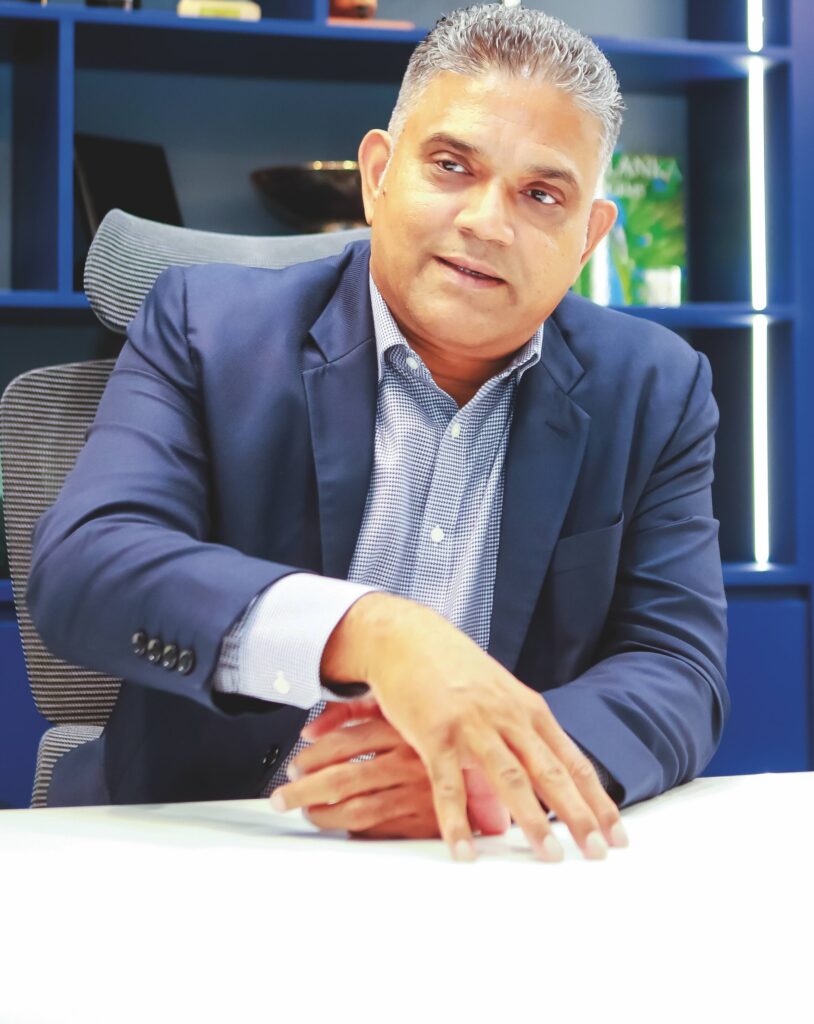
You have managed hospitality operations across different markets and international brands. What leadership lessons from your global experience are most relevant as you lead City of Dreams Sri Lanka?
Hospitality is fundamentally a people business. Whether you are engaging with guests or leading teams, success depends on understanding people, managing expectations, and creating an environment where individuals feel valued and motivated. That has been one of the most important leadership lessons throughout my career.
Working across different brands and international markets has also taught me that leadership is not one-size-fits-all. Every market has its own culture, customer expectations, and operating practices. As a leader, you need to adapt your approach while maintaining a consistent standard of service and performance.
In some markets, the General Manager’s role is primarily strategic, with a strong emphasis on commercial direction and organizational leadership. In others, there is a greater expectation of being highly visible, engaging directly with guests, employees, and the wider community. Having experienced both environments has given me a balanced perspective.
Sri Lanka requires elements of both approaches. In Colombo, a small market, I realize that guests value connection a lot, and hence visibility.
It is important to provide clear strategic direction while remaining closely connected to the operation, our teams, and our guests. My experience across different brands and regions has helped me develop that balance, and it has been invaluable in leading a project such as City of Dreams Sri Lanka.
You led Cinnamon Grand through one of the most difficult periods in the hospitality industry. How did you navigate the challenges of the pandemic and position the hotel for recovery?
I returned to Sri Lanka during the height of the COVID-19 pandemic, initially joining Cinnamon Lakeside before moving to Cinnamon Grand. It was an unprecedented period for the industry. Hotels had few or no guests, operations were severely restricted, and our immediate priorities were to keep our teams engaged while identifying ways to generate revenue to sustain the business.
One of the most important decisions we made, with the strong support of John Keells, was to continue maintaining the property despite the downturn. The pandemic, followed by the economic crisis, created nearly three years of disruption. We recognized that if the hotel was not properly maintained, reopening would require substantial capital at a time when resources would be limited.
By investing in upkeep throughout the crisis, we ensured that we were ready to resume operations as soon as demand returned. At the same time, we explored new revenue opportunities. One initiative was the launch of a premium food delivery service by bringing together the culinary capabilities of Cinnamon Grand, Cinnamon Lakeside, and Cinnamon Red. Rather than letting our teams sit idle, we brought the Cinnamon hospitality experience directly into customers’ homes. We also adapted our signature events to the circumstances. For example, the annual Moods of Christmas concert featuring Soul Sounds was transformed into a live virtual event. Guests purchased tickets to access the performance online, while curated festive packages, including afternoon tea and cocktails, were delivered to their homes. This enabled us to continue an established tradition while creating an alternative revenue stream.
Another opportunity came through sports tourism. We worked closely with Sri Lanka Cricket to accommodate international teams under bio-secure arrangements. Entire sections of the hotel were dedicated to individual teams, generating occupancy during an otherwise challenging period.
Equally important was keeping our employees engaged. We maintained operational routines, implemented rotating work schedules, and involved our teams in property maintenance and recovery preparations. At the same time, we used the period to plan ahead. We undertook refurbishments, upgraded our kitchens and back-of-house facilities, and developed strategies to ensure we were ready to capitalize on the market’s recovery.
Maintaining close relationships with our guests was another priority. Colombo is a relationship-driven market, and we made every effort to stay connected with our customers throughout the crisis. When opportunities arose to welcome them back, we ensured they received the level of service they expected. Those relationships played an important role in our recovery.
We also remained committed to the community. Through the Meals that Heal initiative, which received a PATA Gold Award, we provided thousands of meals to vulnerable communities during the pandemic. We also supported the establishment of a community kitchen by contributing engineering expertise and financial assistance, reinforcing our commitment to supporting those most affected by the crisis.
Our recovery was built on maintaining the asset, supporting our people, staying connected with our guests, identifying new revenue opportunities, and preparing for the future.
Managing an integrated resort is fundamentally different from managing a conventional hotel. What new capabilities and mindset are required?
Managing an integrated resort involves overseeing a much broader and more complex ecosystem. While the core of hospitality remains unchanged, an integrated resort brings together multiple businesses that must operate seamlessly as one destination.
Whether it is a hotel or an integrated resort, the guest remains at the center of everything we do. Our responsibility is to ensure every visitor has a consistently high-quality experience, and that principle does not change.
The difference lies in the level of integration required. At City of Dreams Sri Lanka, we have hotels, a convention center, retail, entertainment, and gaming, each with its own specialist teams and operating structures. The challenge is to ensure these individual components work together to create a unified guest journey rather than functioning as separate businesses. That requires a collaborative mindset and a strong focus on identifying synergies across the different operations. It is about understanding how each component complements the others and how we can deliver a connected experience that maximizes value for our guests and the destination.
Having joined City of Dreams Sri Lanka only a few months ago, that has been one of my key areas of focus—bringing the various elements of the integrated resort together so that guests experience it as a single destination rather than a collection of individual operations.
What were the biggest operational challenges in bringing together hospitality, entertainment, retail, events, and lifestyle offerings under one destination?
I think the biggest challenge was that an integrated resort is a completely new operating model for Sri Lanka. Most of our team members have extensive hospitality experience, but very few have previously worked in an integrated resort environment. Building an understanding of how such a destination operates and why every component must work together has been a significant focus.
Another challenge has been aligning operations across multiple entities, each with its own brand standards, operating procedures, and service expectations. While certain back-of-house functions and services are shared, it is essential that every team understands and respects the requirements of the others. That mutual understanding enables us to maintain each business’s individual standards while delivering a seamless experience for our guests.
When every team understands that they are contributing to a single destination, the integrated resort can deliver the experience it was designed to offer. I believe we have made significant progress in building that culture during our first year of operations.
How do you build a service culture among employees when the ambition is not merely to provide hospitality but to create memorable experiences?
For us, great service begins with genuine care. Technical skills and operational excellence are essential, but creating memorable experiences comes from serving with authenticity and putting the guest at the center of every interaction.
One of the strengths of Cinnamon Hotels and Resorts is its emphasis on developing its people. Throughout my career with international brands, I have seen many excellent training programs, but Cinnamon has built a strong culture of nurturing talent over the long term. Many of our leaders joined the organization as trainees and have progressed to lead departments and business units. That reflects our commitment to investing in people and creating opportunities for growth.
At the same time, we recognize that hospitality is constantly evolving. Service expectations change, and it is important that our teams remain exposed to global trends and best practices. We therefore place considerable emphasis on continuous learning and professional development. A key principle we instill in our teams is that delivering the expected standard is non-negotiable. Consistency in service, product quality, and operational execution forms the foundation of hospitality. However, memorable experiences are created by going beyond the standard—through empathy, attention to detail, and anticipating the needs of our guests.
To support this, we have introduced programs across the group that encourage our teams to become experts in the destinations where we operate. We want every team member to be able to recommend authentic local experiences and help guests discover aspects of Sri Lanka they may not otherwise encounter.
Personalization is equally important. Using guest insights and preferences responsibly, we aim to understand what matters to each individual so we can deliver a more thoughtful and meaningful experience. It is those personal touches that make guests feel recognized and valued.
While quality facilities and excellent food are expected of any luxury hotel, what guests remember most is how they were made to feel. That is why our greatest emphasis is not only on maintaining high standards, but on fostering a culture of genuine care that transforms good service into memorable hospitality.
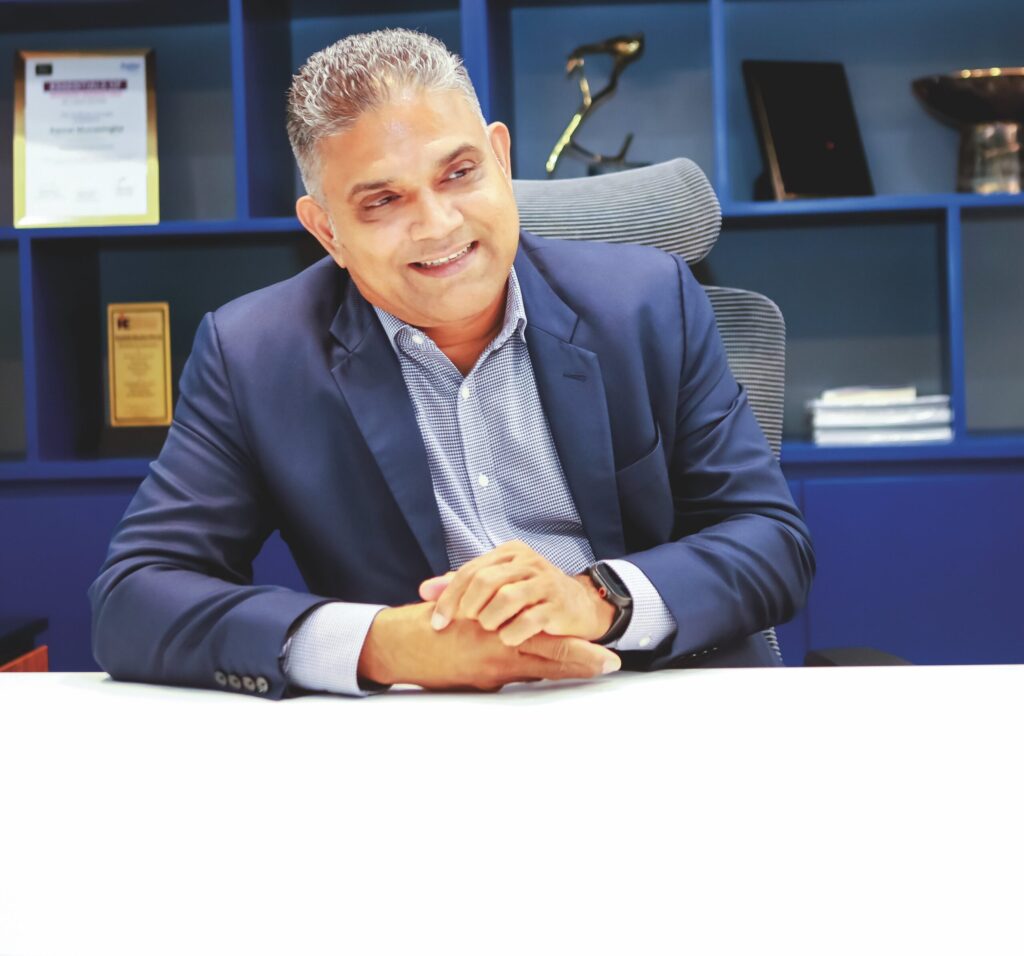
What role do employee training and talent development play in ensuring Sri Lanka can sustain a world-class hospitality proposition?
Talent development is fundamental to sustaining a world-class hospitality industry. Alongside our group-wide training programs, we also invest in customized development initiatives for employees at different stages of their careers.
For example, last year we identified 15 members of our senior leadership team and designed a bespoke executive development program in partnership with the Swiss Hotel Management Academy in India. The program combined classroom learning with practical exposure at Leela Palace Hotels, giving participants the opportunity to experience luxury hospitality operations in a different market and bring those learnings back to Sri Lanka.
At the same time, we recognized a broader industry challenge. With many experienced hospitality professionals seeking opportunities overseas, there is increasing pressure to develop the next generation of talent. That was one of the key reasons we established the Cinnamon Academy.
The academy was launched in 2024 and is operated in partnership with the Swiss Hotel Management Academy and is affiliated with the École hôtelière de Lausanne, one of the world’s leading hospitality institutions.
The three-year program combines academic study with structured on-the-job training across Cinnamon properties. Students rotate through key operational disciplines, including culinary, housekeeping, front office, and food and beverage, gaining practical experience while earning an internationally recognized qualification.
The objective extends beyond developing talent for Cinnamon Hotels and Resorts. We see it as an investment in Sri Lanka’s hospitality industry. By making internationally benchmarked hospitality education more accessible locally, we are helping to build the skilled workforce the country needs to support future tourism growth.
The success of Sri Lanka as a tourism destination depends on the quality of the experience we deliver. Every visitor’s impression is shaped by the people they interact with.
Investing in training and talent development is therefore not only important for individual organizations but also for strengthening the country’s reputation as a world-class hospitality destination.
Every iconic destination becomes part of a city’s identity. What place do you hope City of Dreams Sri Lanka will occupy in Colombo’s story?
I believe City of Dreams Sri Lanka is already beginning to establish its place in Colombo’s identity. Within its first year, it has demonstrated how an integrated resort can strengthen the city’s tourism offering by encouraging visitors to stay longer and experience Colombo beyond being a transit destination.
That is the role integrated resorts have played in other global destinations. They serve as economic catalysts by attracting new visitor segments, increasing visitor spending, and creating opportunities for businesses across the wider economy. It is not only about bringing more visitors to the city, but also about providing a broader range of experiences that encourage them to extend their stay and engage more deeply with the destination. While we are encouraged by the progress we have made in our first year, we recognize that there is still much to accomplish.
We are continuing to build awareness in our key source markets and engage directly with international partners to showcase what the City of Dreams Sri Lanka and Colombo have to offer.
Our ambition is for City of Dreams Sri Lanka to become a defining part of Colombo’s tourism landscape—a destination that enhances Sri Lanka’s global appeal, supports the growth of high-value tourism, and contributes meaningfully to the country’s long-term economic development.