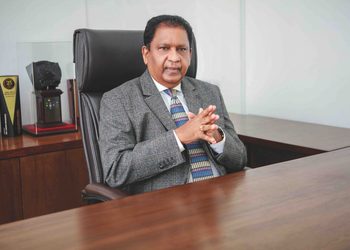

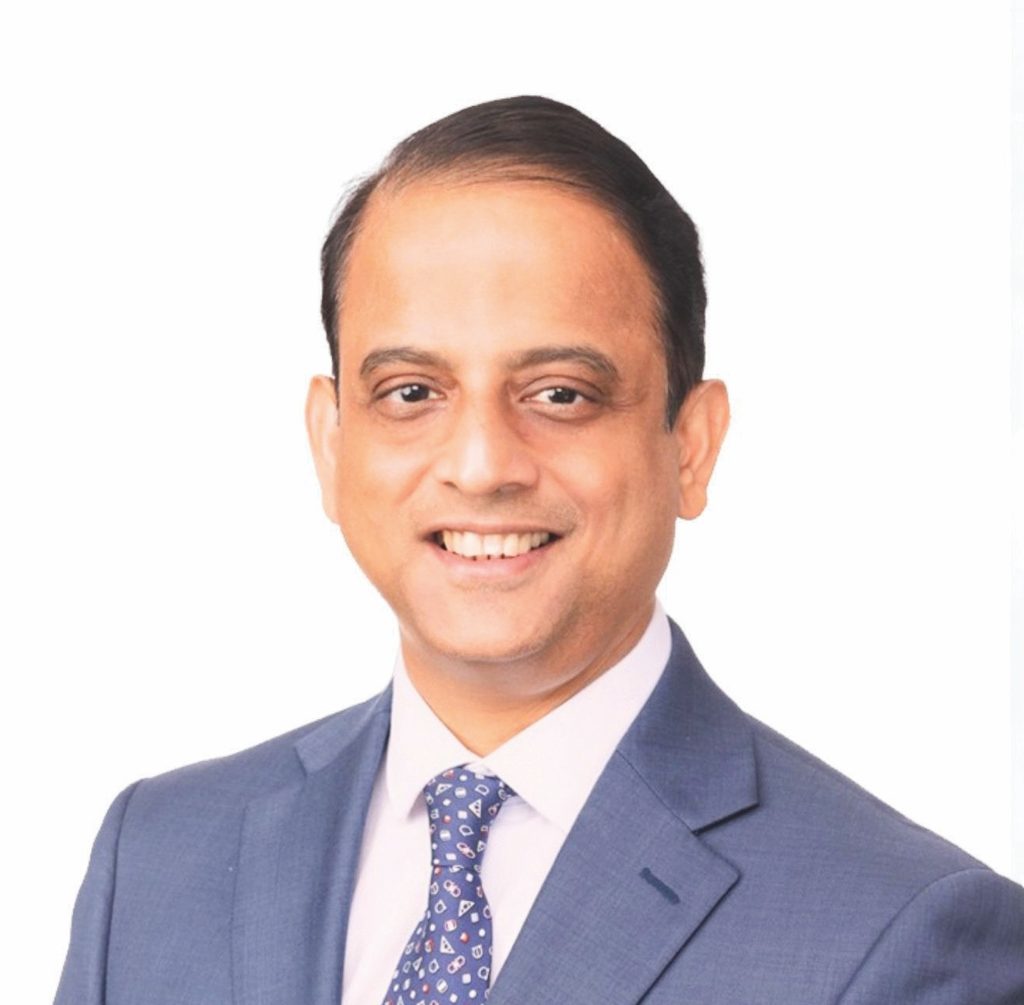
Kavinda de Zoysa, Chairman, BOC.

Y A Jayathilaka, GM/CEO, BOC.
During the 1H 2026, Bank of Ceylon (BOC) leveraged its financial strength and extensive nationwide network to support the Government, businesses, infrastructure development, and communities, while contributing to the country’s economic recovery and sustainable progress. This commitment was underpinned by a strong financial performance, with BOC recording a Profit Before Tax (PBT) of 62.7 billion rupees, reaffirming its financial resilience and continued contribution to the nation.
Kavinda de Zoysa, Chairman, BOC, stated, “Building on our strong financial base and enduring commitment to the nation, BOC remains dedicated to supporting Sri Lanka’s economic growth and sustainable development. During the 1H 2026, our focus on operational excellence, prudent risk management, and customer-centric innovation enabled us to maintain financial resilience while continuing to support the businesses, entrepreneurs, and communities across the country. As the Bankers to the Nation, we remain committed to strengthening our contribution to national economic development, expanding financial inclusion, accelerating digital transformation, and advancing sustainable banking. Looking ahead, we will continue to leverage our financial strength, extensive nationwide presence, and capabilities to support the country’s evolving priorities and create enduring value for our customers, stakeholders, and the nation while ensuring that customer service and experience will be at the heart of everything we do.”
BOC continued to support Sri Lanka’s economic resilience and development in 1H 2026 by financing the Government, SOEs, critical infrastructure, and essential imports, while contributing to Government revenue through taxes and dividends. The Bank also promoted private-sector growth by expanding financing for SMEs, agriculture, exporters, and entrepreneurs, supported by targeted initiatives for youth and women, thereby strengthening productive capacity, employment, and inclusive economic growth. In 1H 2026, Net Interest Income (NII) reached 109.4 billion rupees, reflecting the Bank’s continued focus on disciplined balance sheet management, effective management of asset-liability trade-off and optimized funding strategies. Interest income grew by four percent YoY to 253.7 billion rupees, demonstrating the Bank’s ability to effectively manage its earning assets and sustain income generation through prudent financial management. Net fee and commission income grew by 17 percent YoY to 12.7 billion rupees. The growth was driven by higher transaction volumes across card services, retail banking, and remittances, alongside the increasing use of digital banking solutions. Continued investment in digital capabilities and value-added financial solutions, together with the Bank’s established card business and customer-focused offerings, supported the growth of non-interest income and enhanced customer engagement.
Building on its earnings momentum, the Bank recorded total operating income of 131.4 billion rupees, representing a nine percent YoY increase, driven by growth in both net interest income and fee-based income. Operating profit before taxes on financial services reached 79 billion rupees, demonstrating the Bank’s robust underlying earnings capacity and effective management of its core operations. The cost-to-income ratio stood at 32.67 percent, reflecting sustained operational efficiency and disciplined management of the Bank’s cost base. Profit Before Tax (PBT) reached 62.7 billion rupees after accounting for Value Added Tax (VAT) and the Social Security Contribution Levy. Income tax expenses amounted to 22.9 billion rupees, resulting in a Profit After Tax (PAT) of 39.8 billion rupees. Beyond financial performance, the Bank paid 39.2 billion rupees in total taxes to the Government, significantly contributing to national revenue.
BOC maintained a prudent, proactive approach to credit risk management during 1H 2026, navigating heightened geopolitical and economic uncertainties while remaining disciplined in its credit exposures. An impairment charge of 14.6 billion rupees was recognized on loans and advances. Asset quality remained resilient, as the Stage 3 loan ratio (Net) improved to 5.01 percent. The Stage 3 provision coverage ratio also strengthened to 61.79 percent, reflecting enhanced provisioning buffers and the Bank’s continued focus on maintaining sound asset quality. Strengthened credit evaluation, proactive portfolio monitoring, enhanced recovery mechanisms and disciplined lending practices supported the Bank in maintaining asset quality and effectively managing credit exposures amid evolving economic conditions.
Y A Jayathilaka, GM/CEO, BOC stated, “As BOC marks 87 years of a legacy of trust and service to Sri Lanka, we continue to build on a legacy of resilience, innovation and an unwavering commitment to the nation’s economic progress. During the 1H 2026, we remained focused on strengthening our financial performance while accelerating digital transformation to make banking more accessible, seamless, and customer-centric. The continued advancement of platforms such as BOC Flex, SmartPay QR, and digital payment solutions, together with our extensive digital and physical banking network, reflects our commitment to shaping a more connected and inclusive financial ecosystem. Looking ahead, we will continue to invest in technology, strengthen our digital capabilities, and deliver innovative solutions that anticipate evolving customer needs, while leveraging our scale and national reach to empower businesses, communities, and contribute to Sri Lanka’s sustainable economic development.”
As of June 30, 2026, the Bank maintained a robust balance sheet, with total assets exceeding 5.4 trillion rupees, gross loans and advances of 2.8 trillion rupees, and a deposit base of 4.3 trillion rupees, underscoring BOC’s substantial balance-sheet capacity and financial strength. The Bank recorded a Return on Assets (ROA) of 2.30 percent and a Return on Equity (ROE) of 20.44 percent, demonstrating its strong capacity to generate returns from its asset and capital base. The Bank remained well-capitalized, with a Tier I Capital Adequacy Ratio of 13.32 percent and a Total Capital Adequacy Ratio of 17.22 percent, maintaining regulatory capital requirements. Liquidity coverage ratios for both rupee and all currencies remained well above the minimum regulatory thresholds, reinforcing the Bank’s strong liquidity position and financial resilience.