
Words: Imara Navaratne De Alwis
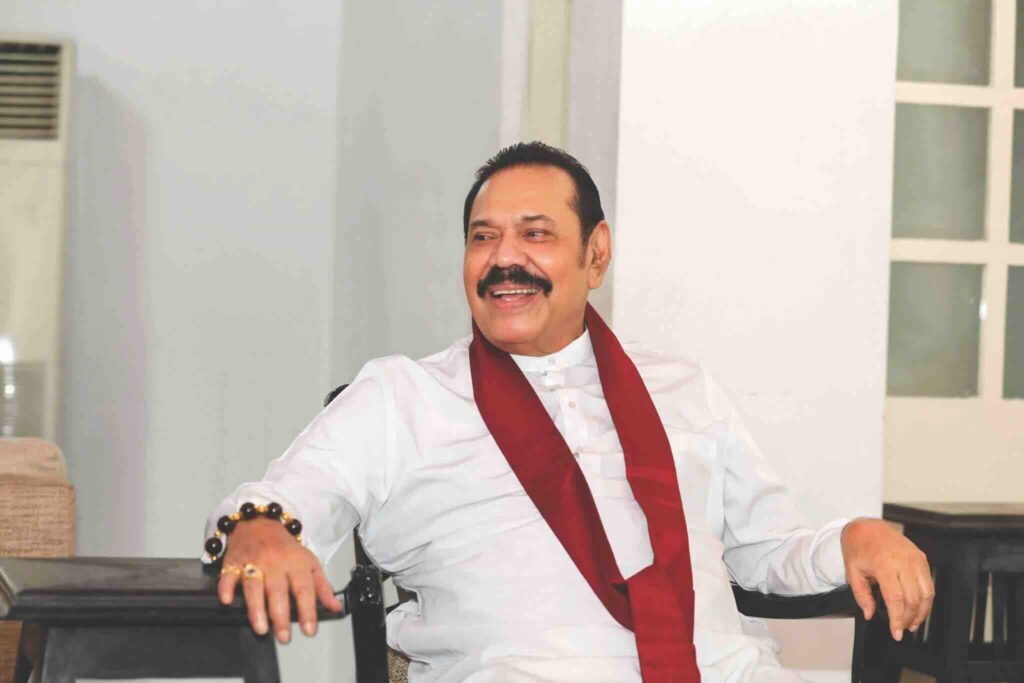
Former President Mahinda Rajapaksa.
The first decade of the 21st century was a defining era for Sri Lanka, marked by extraordinary challenges and unprecedented transformation. At the center of this national renewal stood President Mahinda Rajapaksa, whose leadership from 2004 to 2015 reshaped the island’s trajectory. In a period that spanned the end of a thirty-year conflict and the dawn of new growth, his administration pursued a vision of peace, stability, and development that continues to shape Sri Lanka’s economic and social fabric.
For corporate leaders, policymakers, and investors, the Rajapaksa decade offers critical lessons in how political will, infrastructure investment, and strategic positioning can alter a nation’s destiny. Highways, ports, and airports connected the island to the world. Rural electrification and irrigation brought prosperity to long-neglected regions. Tourism, exports, and remittances expanded the economy, while poverty fell dramatically.
This is not merely a story of government initiatives, but of a country reborn through decisive leadership. In the following feature, Business Today examines the achievements of Mahinda Rajapaksa’s presidency, situating his legacy alongside that of Asia’s transformative builders and reflecting on how his vision laid the foundation for Sri Lanka’s future.
The Beginning of a Decisive Era
When Mahinda Rajapaksa assumed the presidency of Sri Lanka in 2004, the nation stood at a critical crossroads. The economy was fragile, the war with the LTTE dragged on without resolution, and much of the country remained cut off from the growth dividends.
The infrastructure gap was wide, rural poverty was entrenched, and decades of uncertainty had cast a long shadow over Sri Lanka’s ability to realize its full potential. Yet in just over a decade, Rajapaksa would oversee one of the most transformative periods in the island’s post-independence history, ending a thirty-year conflict, launching a wave of infrastructure, driving growth across multiple sectors, and redefining Sri Lanka’s place in the region.
Ending a Thirty-Year War
Central to Mahinda Rajapaksa’s legacy was the decisive conclusion of Sri Lanka’s civil war. When he took office, the country had been locked in conflict with the LTTE for nearly three decades. Successive governments had attempted ceasefires, negotiations, and limited military campaigns, but none had secured a durable resolution. Rajapaksa was determined to change this trajectory.
By 2006, his administration had embarked on a clear strategy: mobilizing the armed forces to their fullest potential, ensuring consistent funding for the military effort, and consolidating political will to defeat the LTTE.
Unlike previous approaches, his leadership combined military determination with international diplomacy, clearly articulating Sri Lanka’s sovereign right to defend its territorial integrity.
In May 2009, this effort culminated in a moment that reshaped the nation: the formal declaration of the war’s end. Rajapaksa’s government had achieved what many had believed impossible, bringing the conflict to a close through a complete military victory.
For millions of Sri Lankans, this represented peace and the opening of a new era. Development could reach every corner of the island for the first time in decades.
“I value my motherland first, second and third. This should be so to you and to the entire nation. It is only our beloved motherland that we should all cherish and value.”
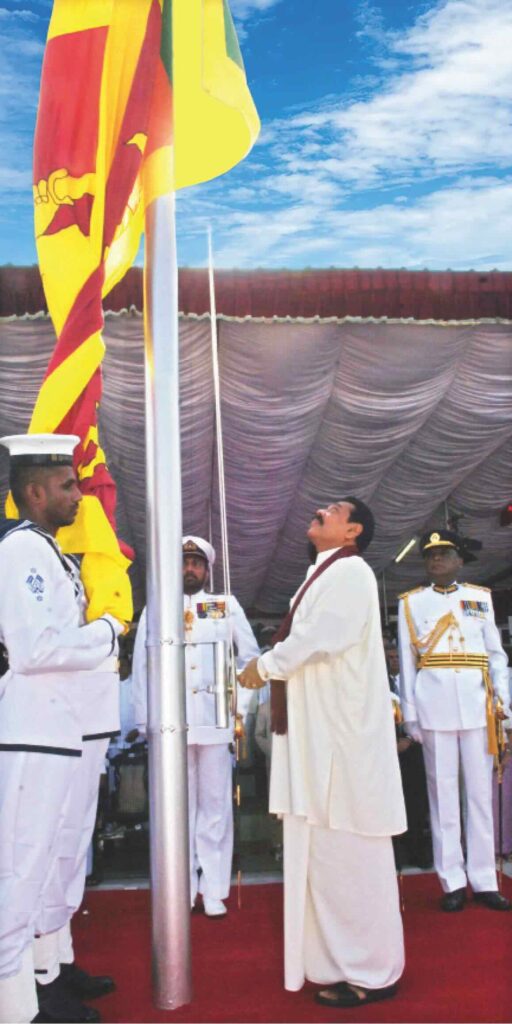
Mahinda Rajapaksa raises the Sri Lankan national flag during the celebration marking the victory at the end of the civil war.
Infrastructure as the Foundation of Growth
Rajapaksa’s vision extended well beyond military victory. He recognized that peace would only be meaningful if accompanied by tangible development and placed infrastructure at the center of his agenda.
Between 2005 and 2014, Sri Lanka underwent a dramatic physical transformation. New highways cut across previously isolated regions, expressways connected the capital to the south and the airport, and rural roads brought long-forgotten villages into the national economy. The Southern Expressway, completed during his tenure, symbolized this drive, shrinking travel times, connecting communities, and unlocking new opportunities for trade and tourism.
Ports became another cornerstone of Rajapaksa’s infrastructure strategy. Colombo Port underwent modernization to handle the increasing volume of containers, positioning Sri Lanka as South Asia’s maritime hub. The Hambantota Port project, though ambitious, represented a bold attempt to future-proof the island’s logistics capacity, ensuring that global shipping lanes running close to Sri Lanka would have a modern docking point.
Air travel was also transformed. The Mattala Rajapaksa International Airport, located in the country’s south, aimed to expand international access beyond Colombo and establish a secondary gateway for trade and tourism. While its utilization fluctuated, its construction was emblematic of Rajapaksa’s determination to build for the long term.
Urban renewal was equally visible. Colombo underwent a dramatic facelift, featuring the beautification of Beira Lake, the creation of new public spaces, and the modernization of road networks. What had once been congested and deteriorating urban environments were reshaped into cleaner, more organized, and investor-friendly spaces.
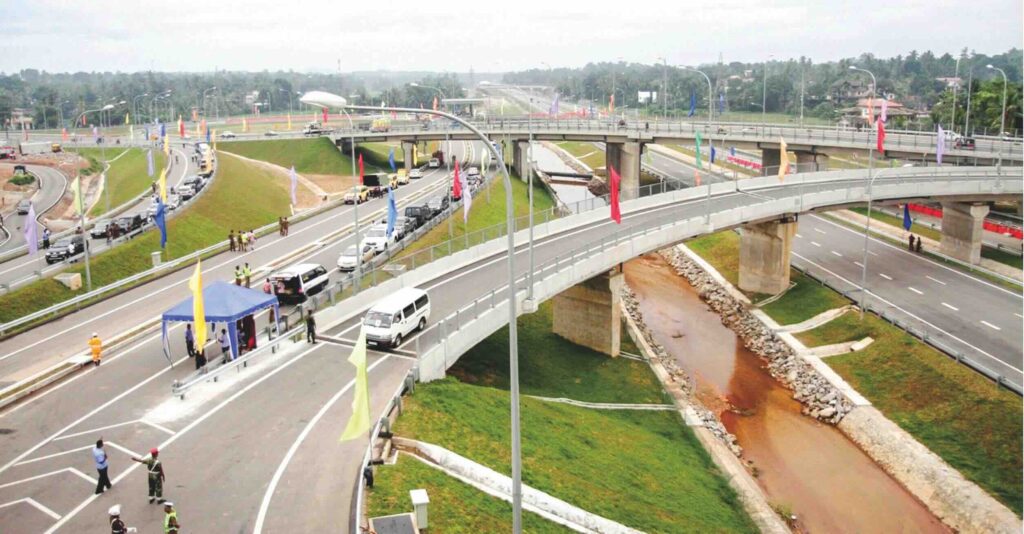
A section of the Southern Expressway showcasing modern highway infrastructure and connectivity.
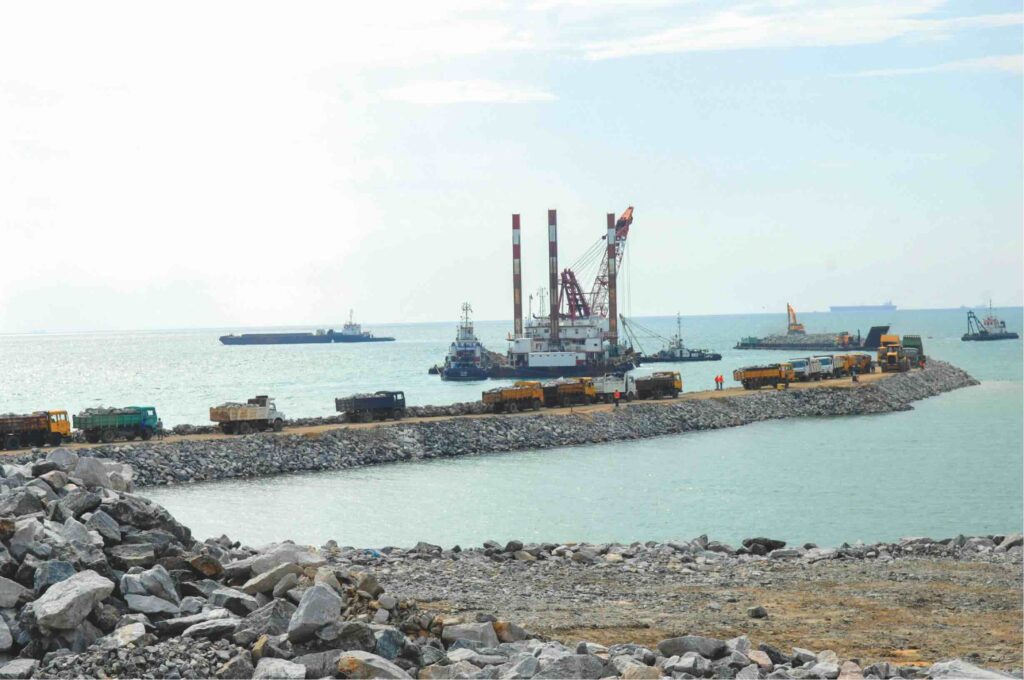
Construction work underway at the Colombo South Harbor Project.
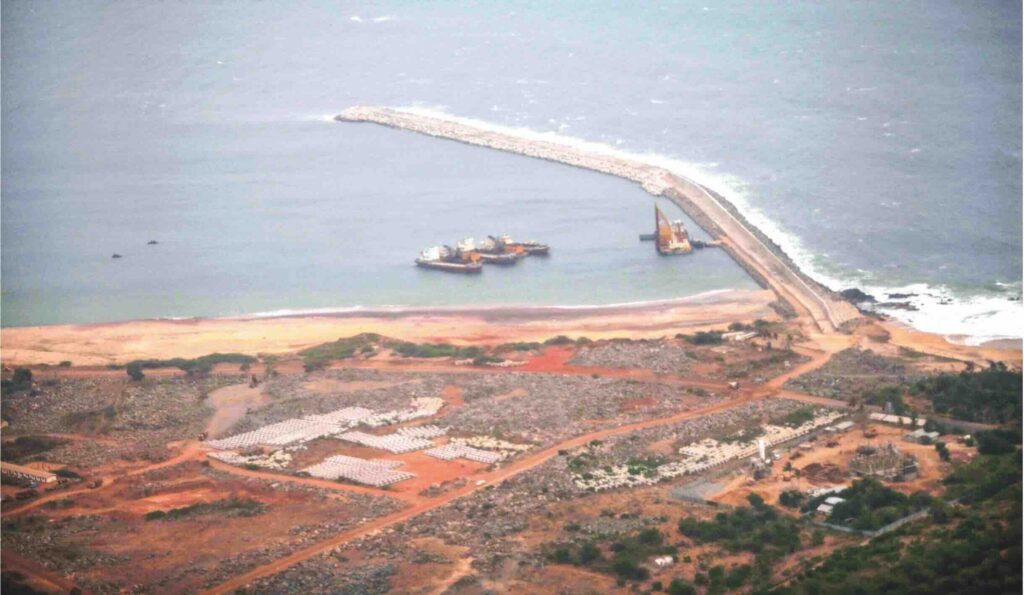
Hambantota Harbor under development.
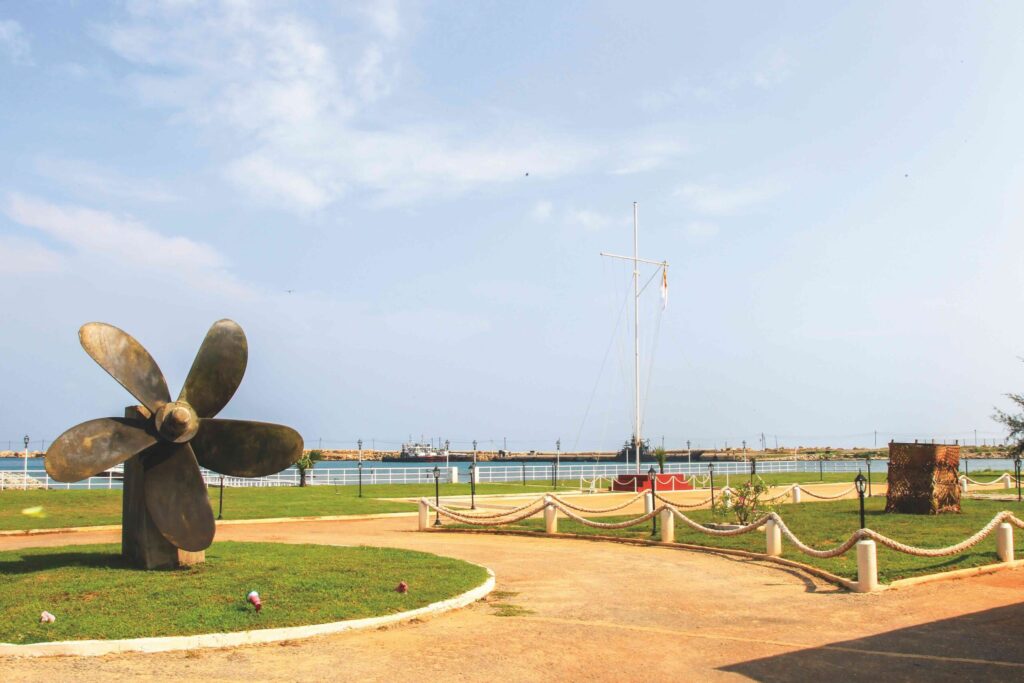
A view of Kankasanthurai Harbor with a ship propeller monument and flag mast overlooking Sri Lanka’s calm northern coastline.
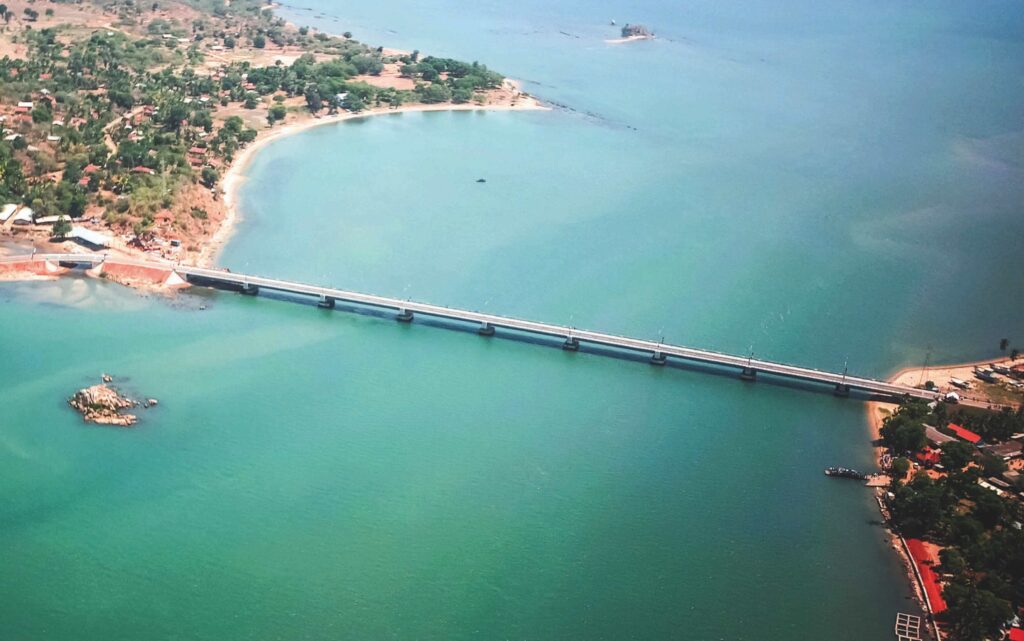
Aerial view of the Kinniya Bridge, connecting communities across Koddiyar Bay and symbolizing post-war unity in the Eastern Province.
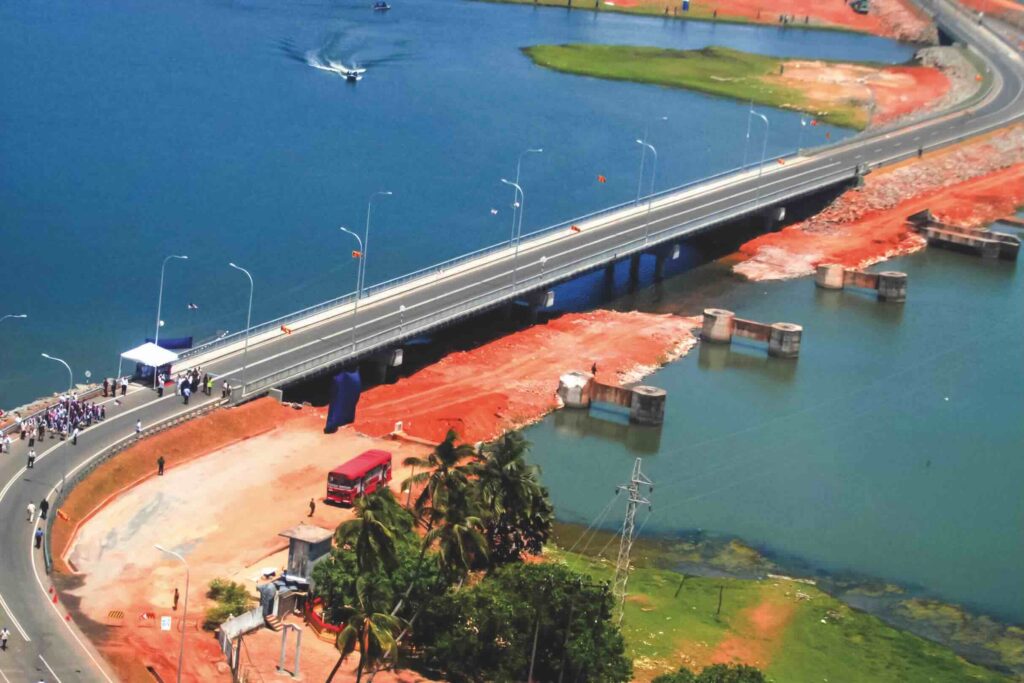
Arugambay Bridge connecting the eastern coastal region of Sri Lanka, symbolizing post-war reconstruction and development.
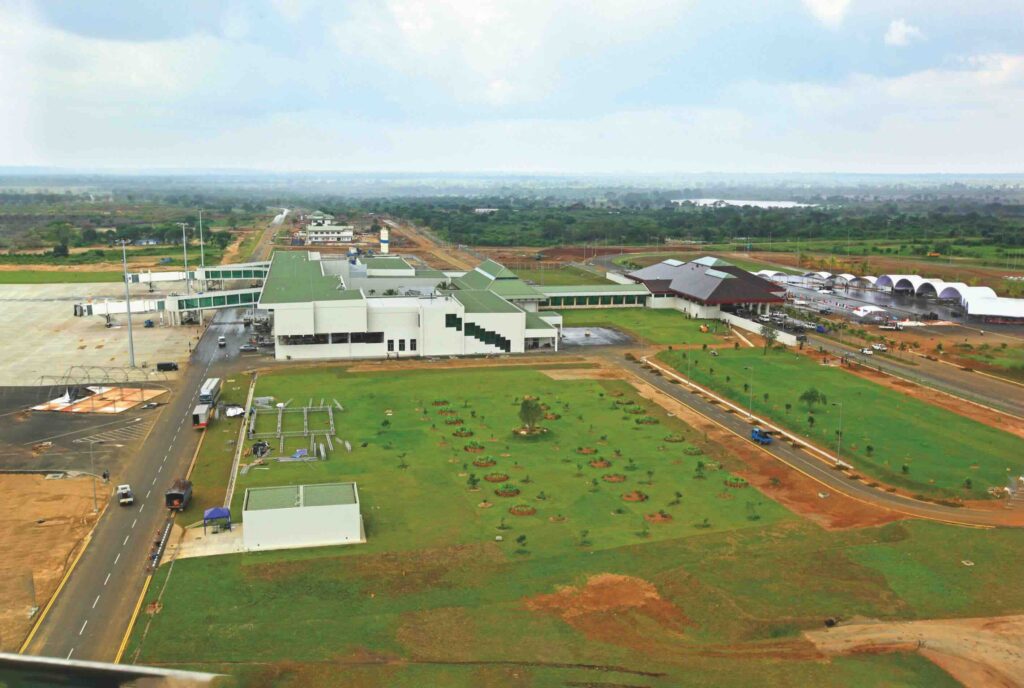
Aerial view of Mattala Rajapaksa International Airport.
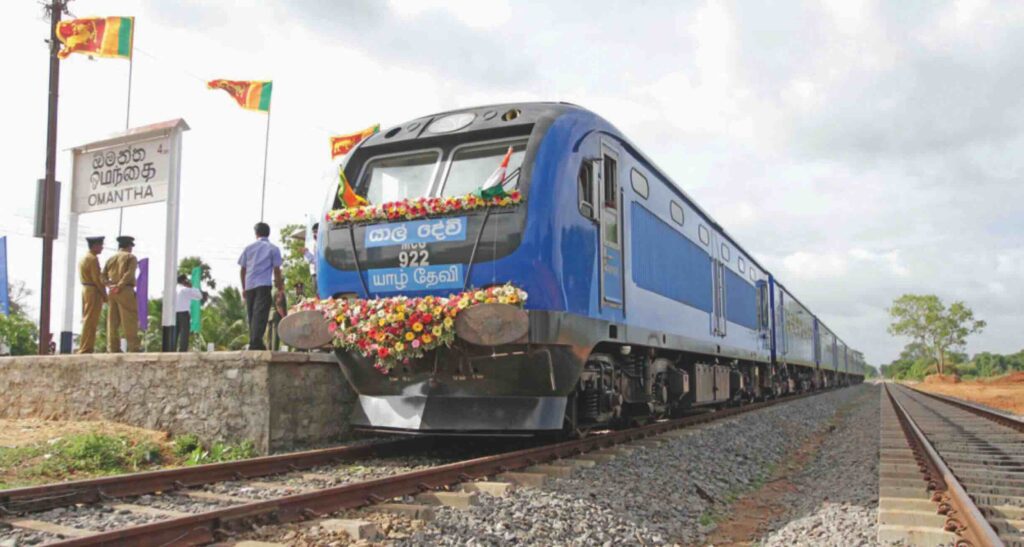
The Yal Devi train service has resumed operations after a hiatus of 23 years
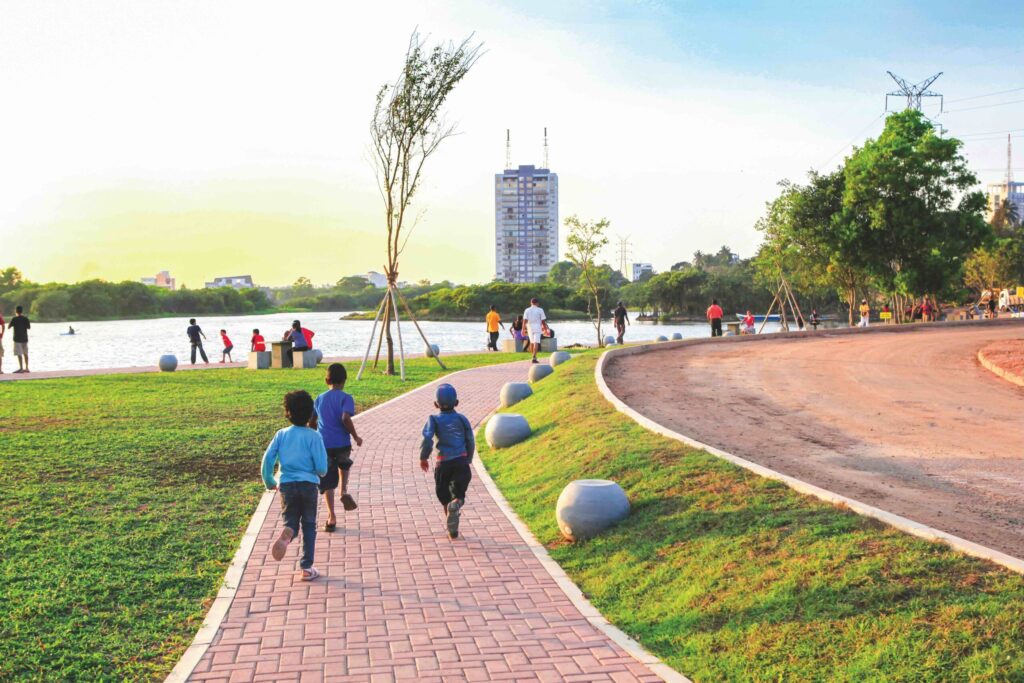
Diyawanna Walking Track is a popular urban green space that promotes recreation and community well-being in Sri Jayawardenepura Kotte.
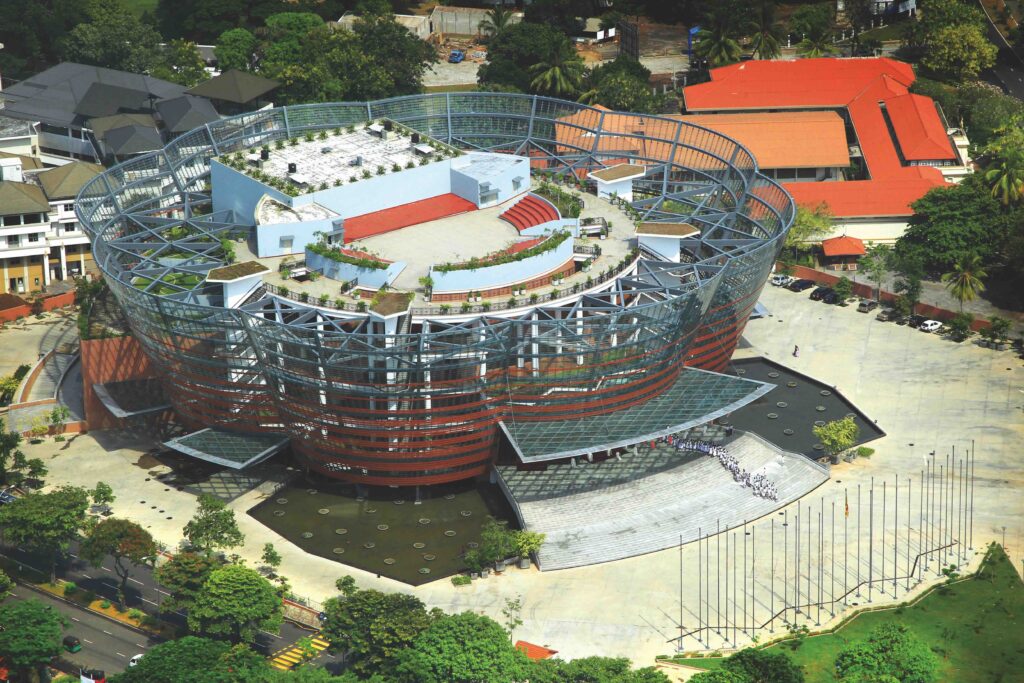
Nelum Pokuna Mahinda Rajapaksa Theatre in Colombo is a lotus-shaped performing arts complex.
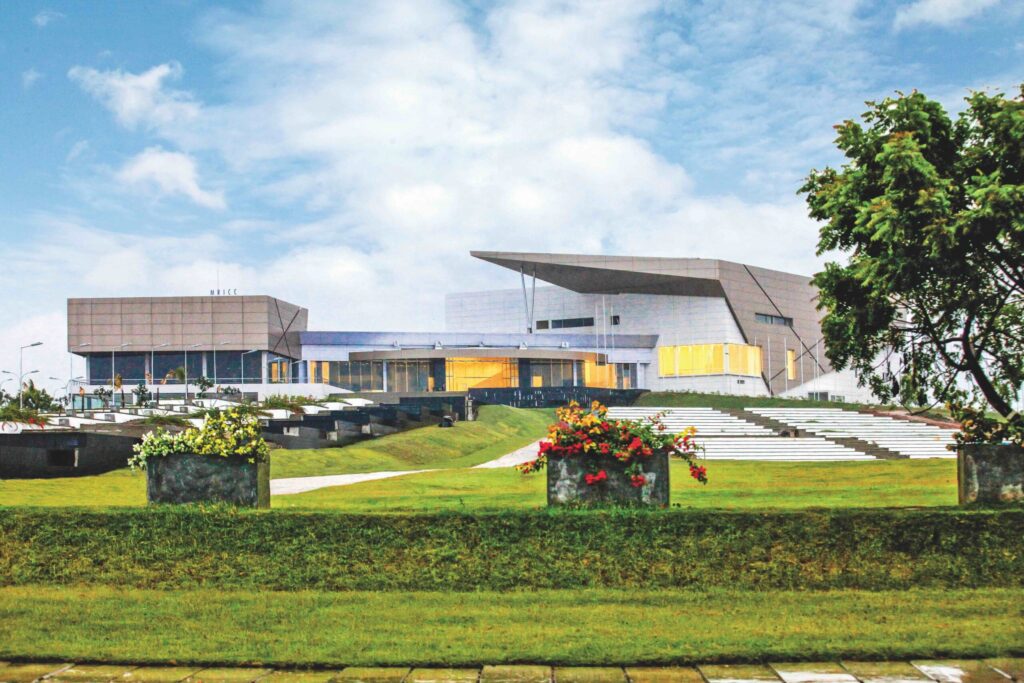
The Magam Ruhunupura International Convention Center in Hambantota is a state-of-the-art venue.
Electrification, Irrigation, and Rural Upliftment
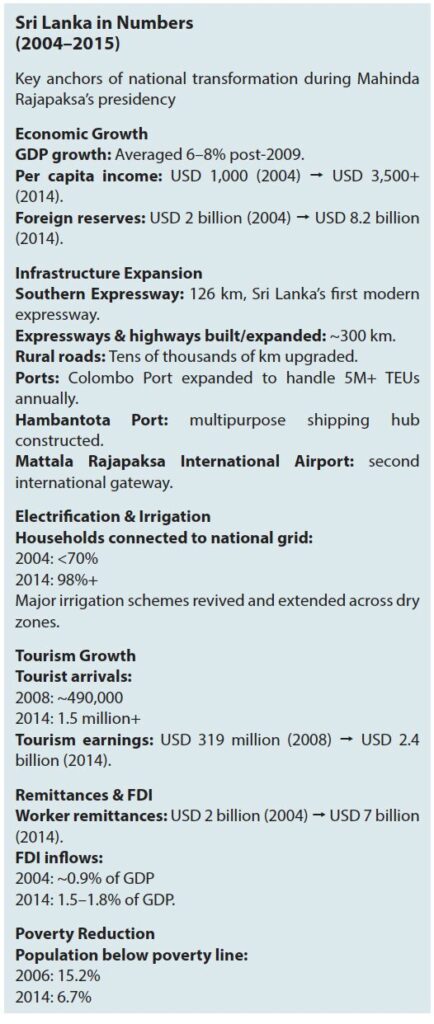
One of the defining achievements of Mahinda Rajapaksa’s presidency was the expansion of electrification across the island. In 2004, large portions of rural Sri Lanka remained without reliable access to electricity. By 2014, more than 98 percent of the country had been connected to the national grid. This transformation changed daily life, enabling students to study at night, small businesses to operate more efficiently, and rural communities to participate in the broader economy. Parallel to electrification, there was an expansion of irrigation networks.
Rajapaksa prioritized reviving and constructing reservoirs, canals, and irrigation systems, recognizing their centrality to Sri Lanka’s agrarian economy.
Farmers who had long struggled with irregular water supply saw new opportunities to cultivate land and secure livelihoods. These projects, deeply rooted in the island’s ancient hydraulic civilization, were modernized to serve contemporary needs. The combination of electrification and irrigation became a powerful driver of rural upliftment. Villages that had once been marginalized were integrated into the national development story.
Rajapaksa emphasized that true growth had to extend beyond urban centers, and his policies reflected this conviction.
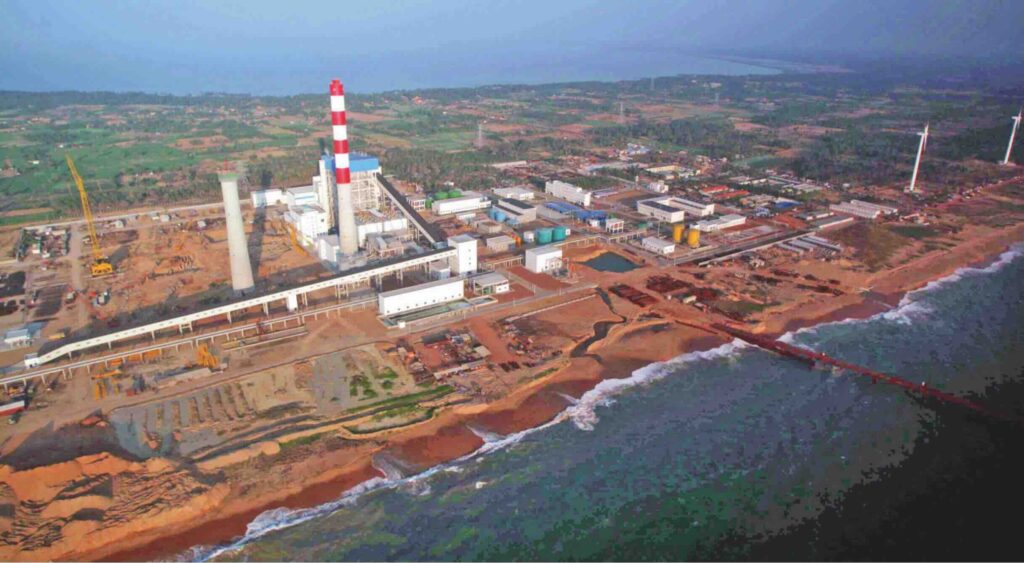
Kerawalapitiya Power Plant, playing a vital role in strengthening Sri Lanka’s electricity supply network.
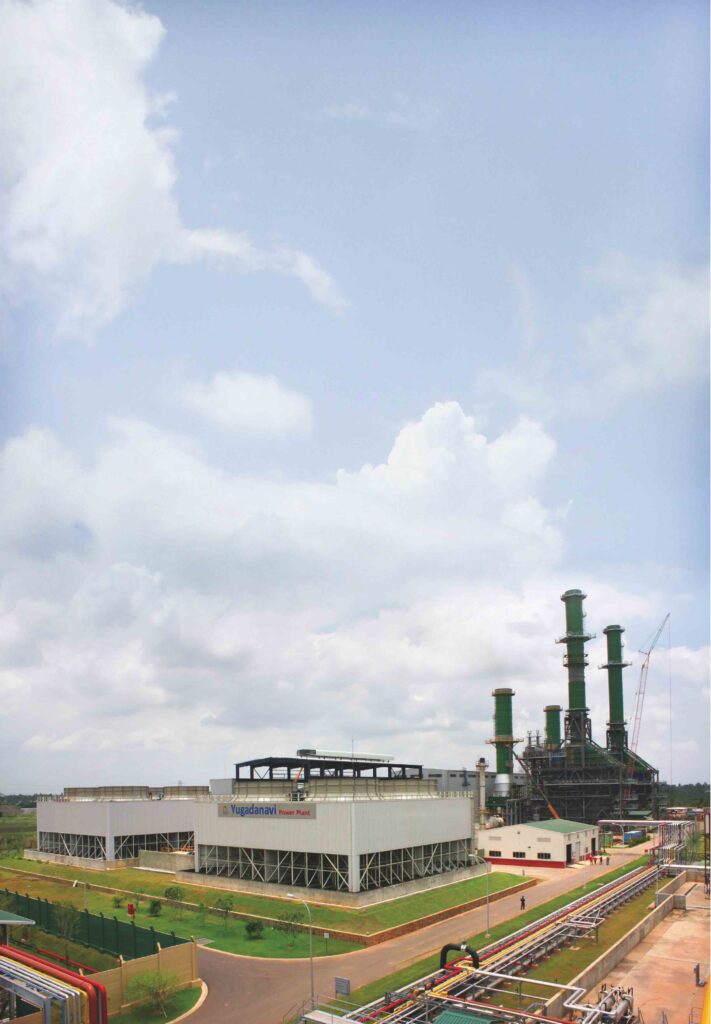
Lakvijaya Coal Power Plant, Norochcholai.
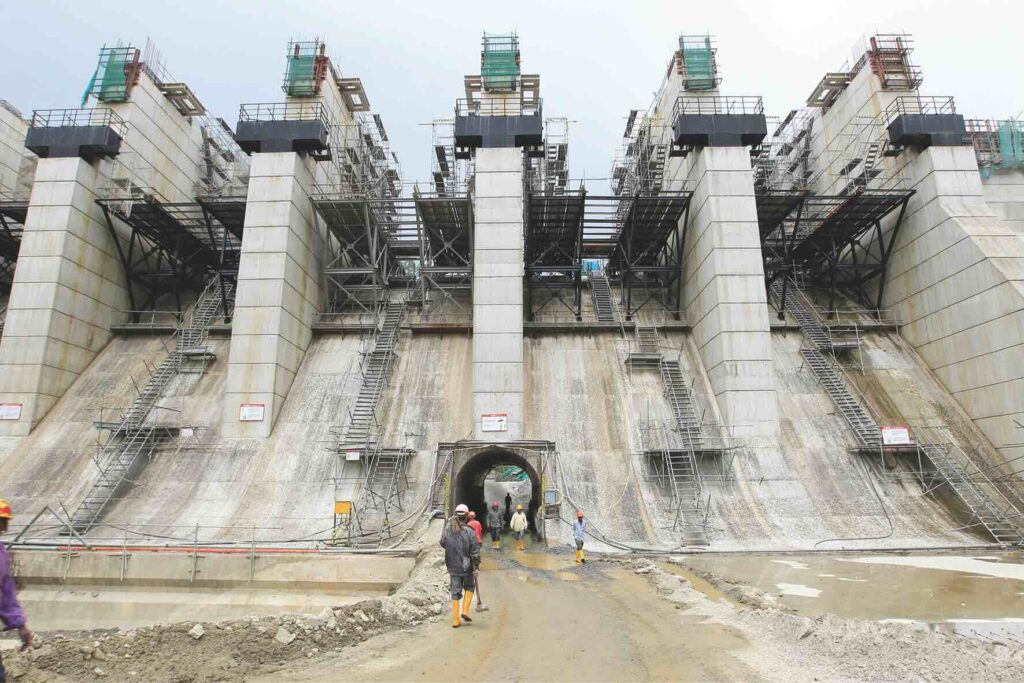
Upper Kotmale Hydropower Project — a key hydroelectric initiative in Sri Lanka for sustainable energy through advanced engineering.
Economic Growth and Rising Incomes
The economic record of Mahinda Rajapaksa’s tenure underscores his achievements. Sri Lanka’s per capita income was around USD 1,000 when he assumed office. By the time he left in 2015, it had risen to over USD 3,500, elevating the country to a lower-middle-income status. Annual GDP growth averaged 6–8 percent during the post-war years, a remarkable pace compared to previous decades. Foreign reserves, which had hovered at around USD 2 billion in 2004, grew to over USD 8 billion by 2014. Exports expanded in traditional sectors, such as garments, while new industries, including IT services, gained momentum. During this period, remittances from Sri Lankan workers abroad increased dramatically, rising from under USD 2 billion to nearly USD 7 billion annually. This inflow of foreign exchange strengthened the balance of payments and directly supported millions of households. Tourism was another success story. With the war’s end in 2009, international arrivals surged. Sri Lanka rebranded itself as a premier South Asian destination, capitalizing on its beaches, cultural heritage, and wildlife. Tourist arrivals grew from fewer than 500,000 in 2008 to over 1.5 million by 2014, generating foreign exchange earnings and creating thousands of jobs across the hospitality sector.
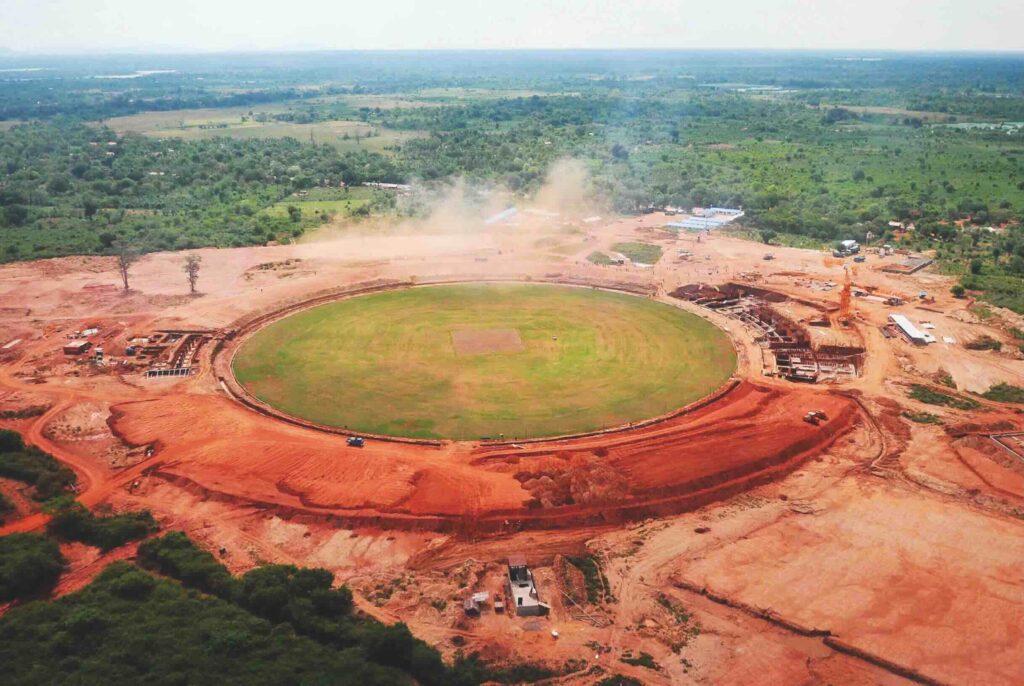
Construction of the Sooriyawewa International Cricket Stadium in progress.
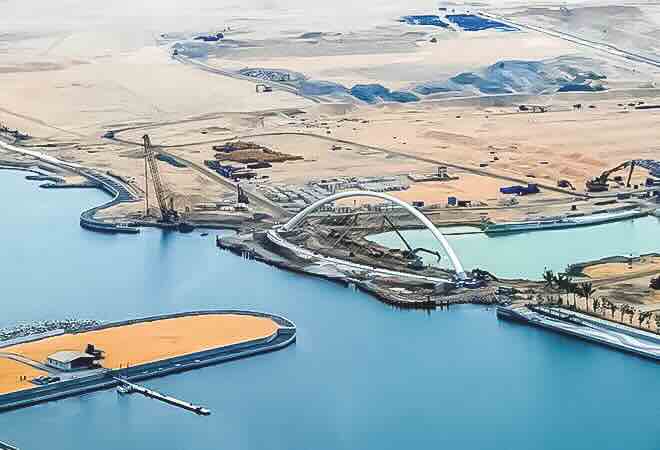
Port City Colombo is a Special Economic Zone (SEZ) designed as a modern hub for business, lifestyle, and residential purposes.
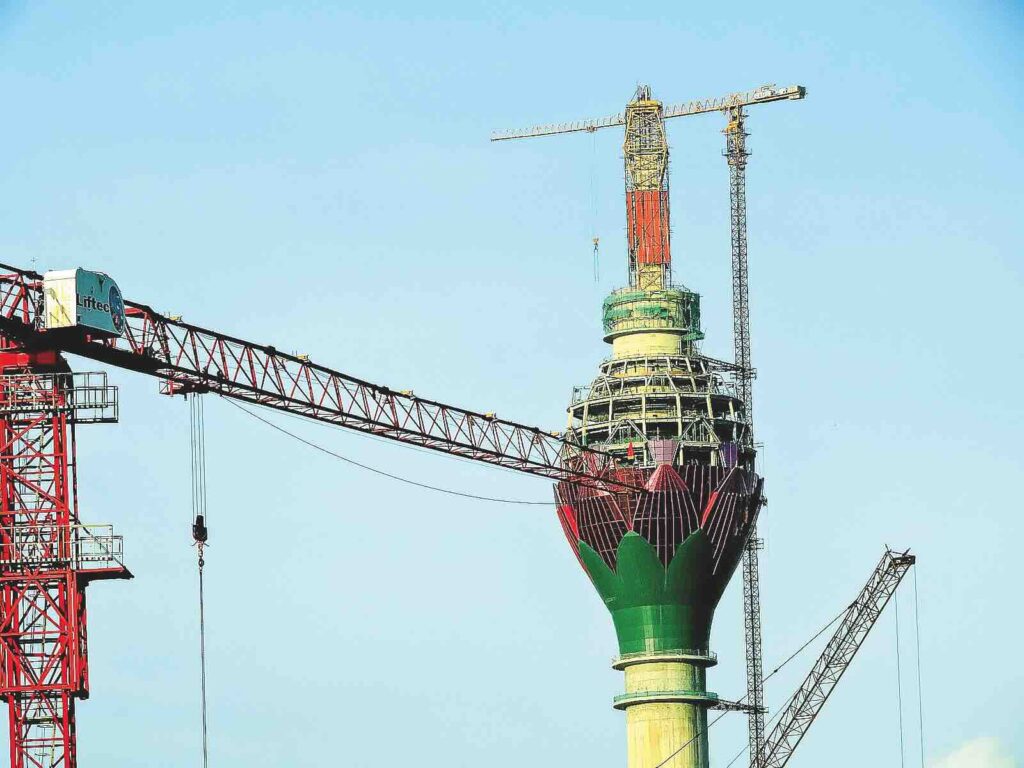
Construction of the Lotus Tower, the tallest building in Sri Lanka, features a revolving restaurant that offers a 360° view of Colombo’s skyline.
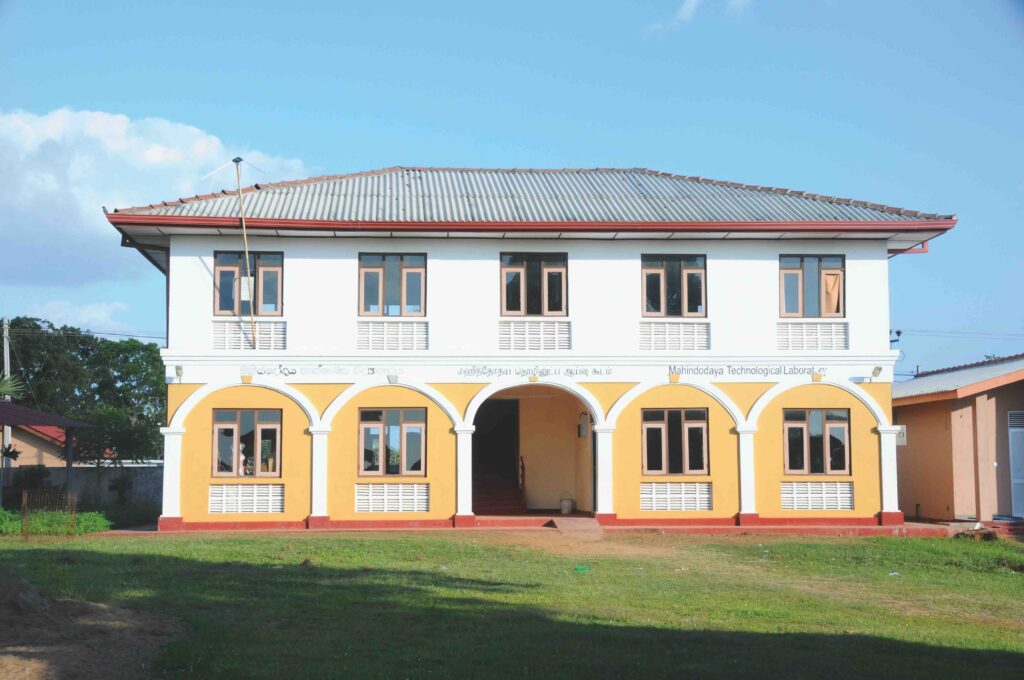
Where young minds meet modern technology — Mahindodaya Technological Laboratory, shaping the innovators of tomorrow.
Social Development and Public Services
Rajapaksa’s government invested heavily in health and education. Free healthcare remained a cornerstone of Sri Lanka’s social contract, and under his leadership, hospitals were expanded, regional medical facilities were upgraded, and specialized treatment centers were developed. His administration also positioned Sri Lanka as a hub for medical tourism, attracting patients from neighboring countries seeking affordable and high-quality care. In education, Rajapaksa prioritized both access and modernization. Rural schools received better facilities, teacher training was strengthened, and the spread of IT centers in schools sought to equip the next generation with digital skills. University expansion and technical colleges created pathways for youth to enter local and international job markets. Sports infrastructure was another visible area of investment. Stadiums were built or refurbished to international standards, enabling Sri Lanka to host major events, such as the 2011 Cricket World Cup. These projects were showcasing national pride and attracting global attention.
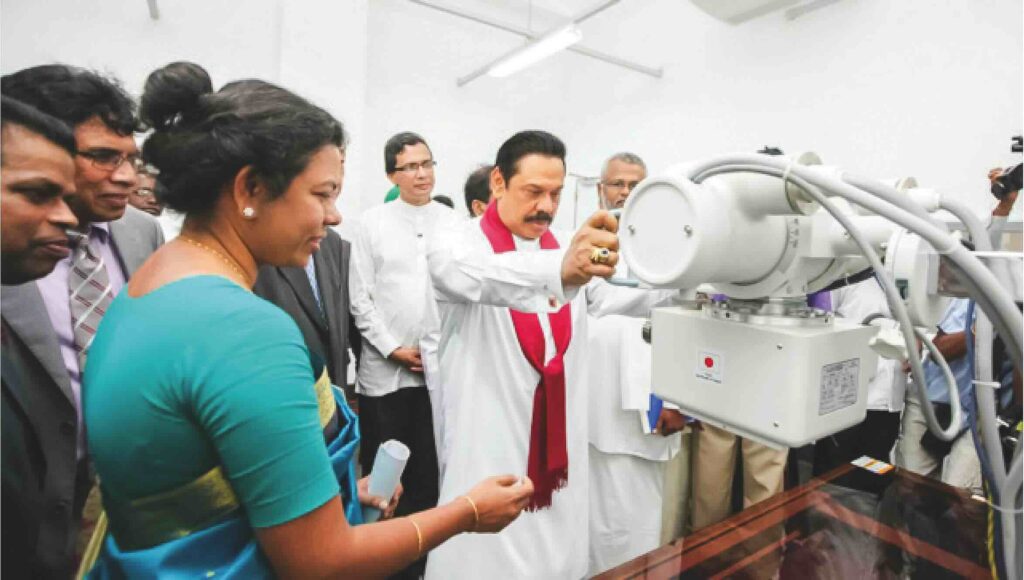
Mahinda Rajapaksa inspecting new medical equipment at Jaffna Teaching Hospital.
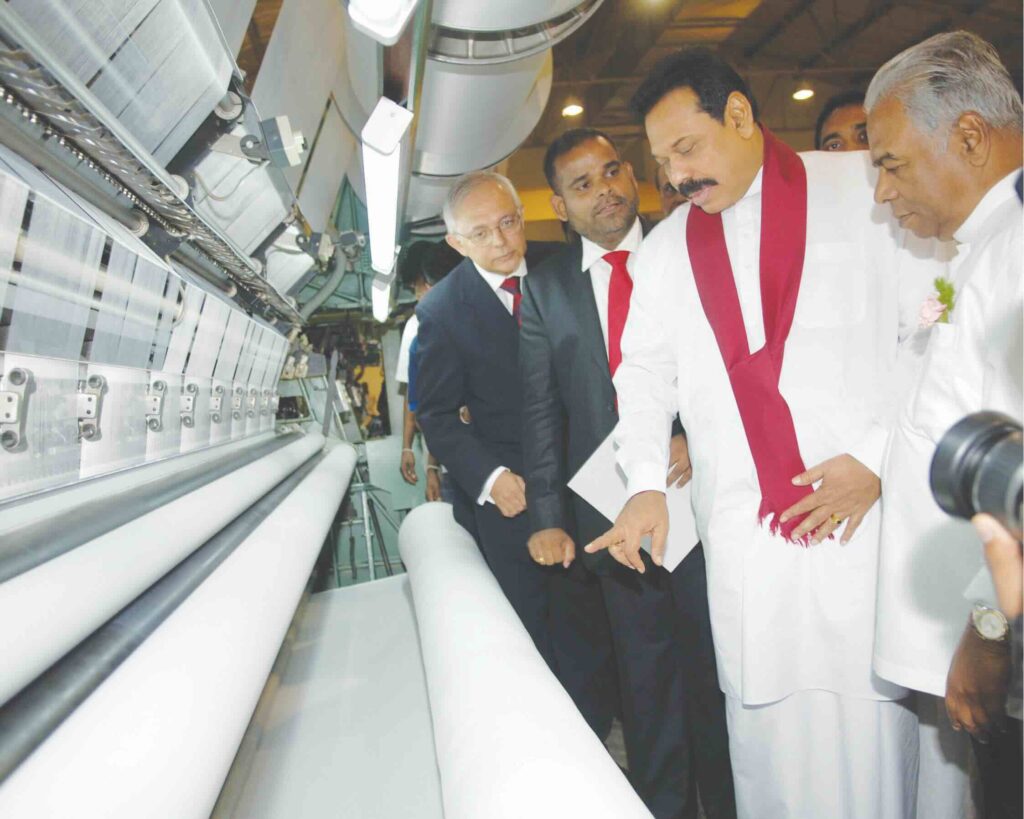
Inspecting a textile manufacturing facility.
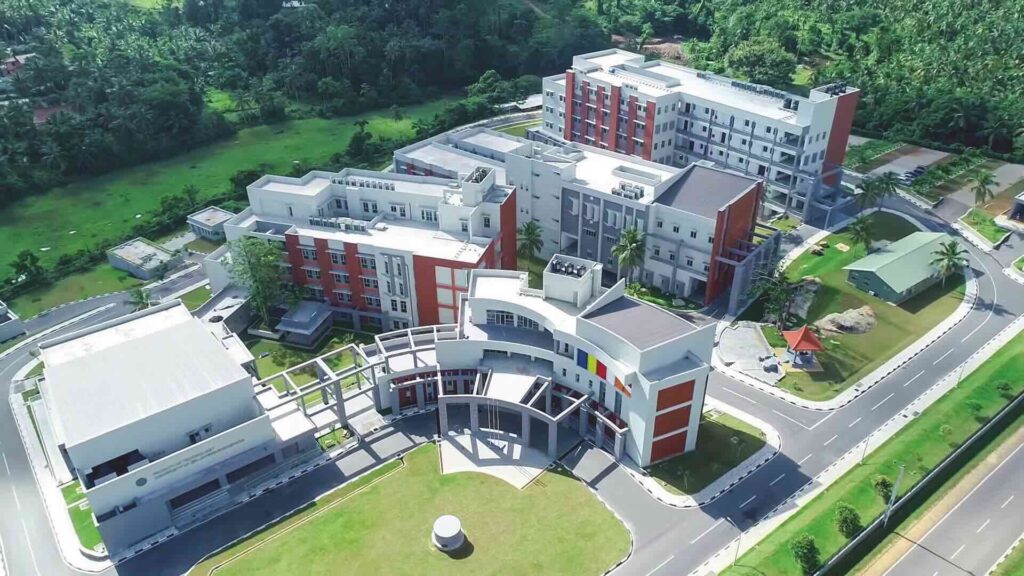
Sri Lanka’s first Faculty of Technology — University of Sri Jayewardenepura, inaugurated by Mahinda Rajapaksa.
The Private Sector and Industrial Growth
Mahinda Rajapaksa recognized that government investment alone could not sustain growth. His administration actively supported the expansion of the private sector, encouraging local entrepreneurship while attracting foreign direct investment.
Construction boomed during his presidency, with local firms expanding their capacity and international contractors collaborating with Sri Lankan companies. Manufacturing is diversified, with the apparel industry consolidating its role as the country’s largest export earner, while sectors such as food processing and IT services have expanded. Supermarkets, shopping malls, and modern retail formats proliferated, changing the urban consumer landscape. IT parks and business process outsourcing centers emerged, reflecting Sri Lanka’s integration into the global knowledge economy.
Diplomacy and International Partnerships
Rajapaksa also sought to redefine Sri Lanka’s position on the world stage. His government cultivated close ties with Asian powers, particularly China and India, while maintaining relationships with Japan, South Korea, and the wider international community.
China emerged as a major partner, financing large-scale infrastructure projects and expanding trade ties. Japan and India continued to support development programs, while multilateral institutions, such as the Asian Development Bank and the World Bank, provided targeted funding for infrastructure and social development.
Hosting the Commonwealth Heads of Government Meeting (CHOGM) in Colombo in 2013 symbolized Sri Lanka’s growing diplomatic stature. Rajapaksa positioned the country as a bridge between Asia and the wider world, leveraging its geographic location and newfound stability.
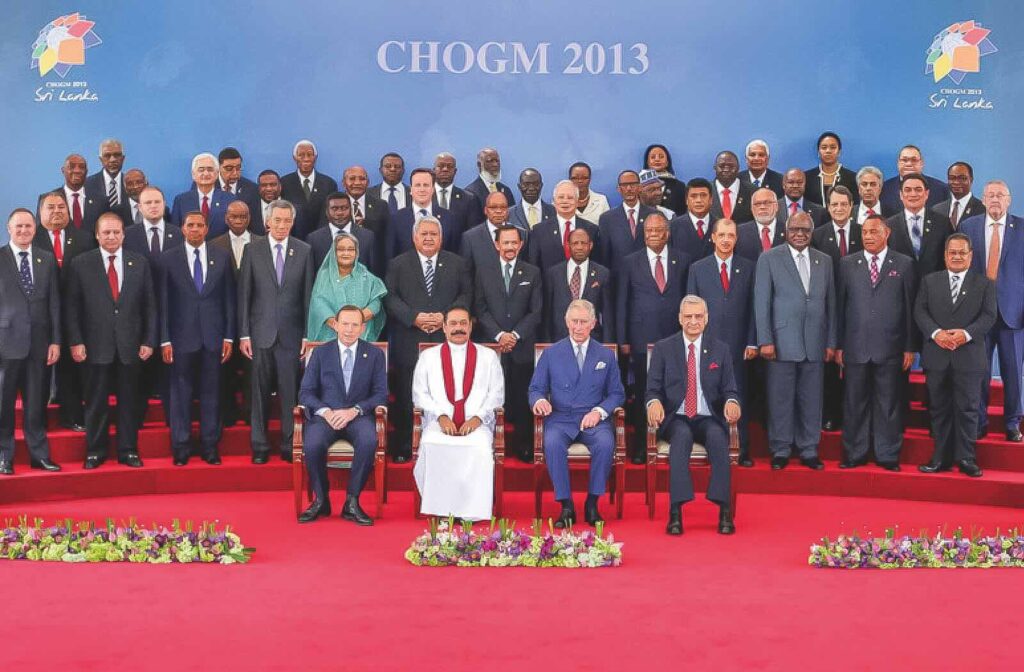
Mahinda Rajapaksa with the leaders at the Commonwealth Heads of Government Meeting (CHOGM) 2013 held in Colombo, Sri Lanka.
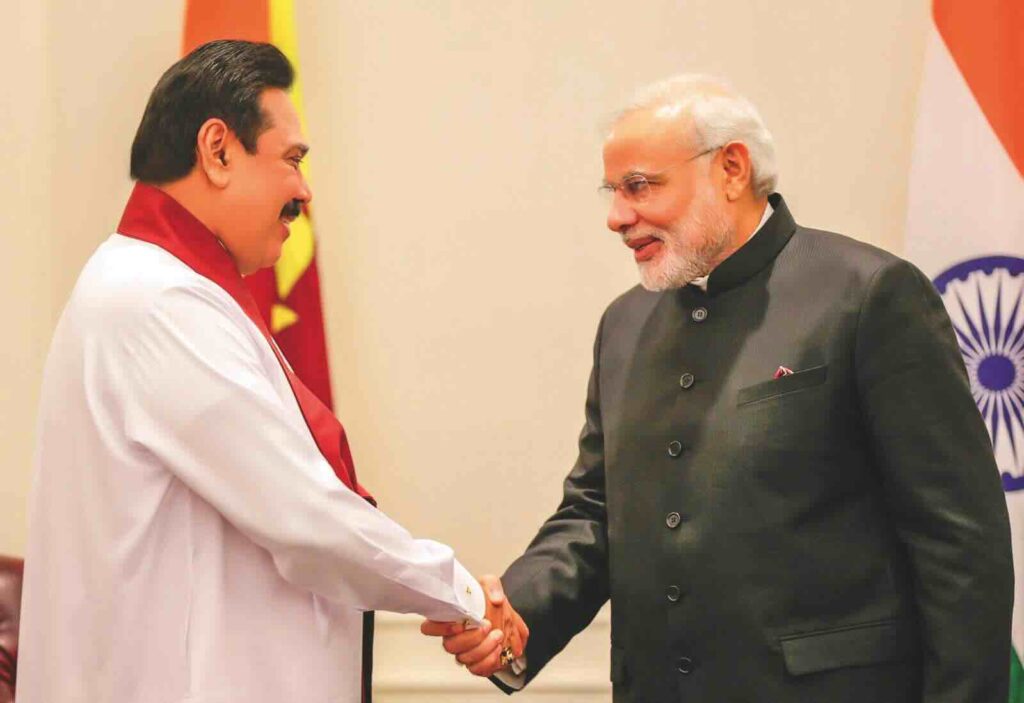
Mahinda Rajapaksa with Indian Prime Minister Narendra Modi
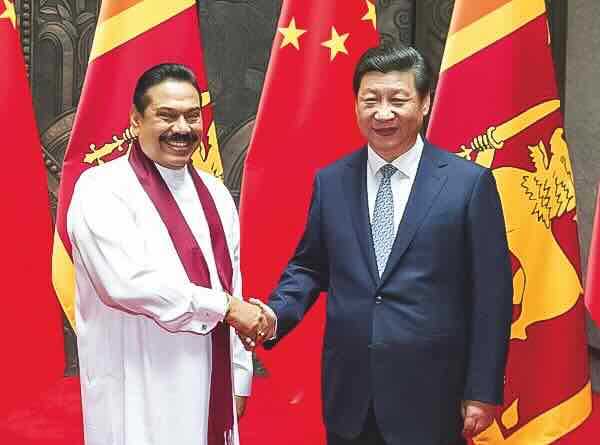
Mahinda Rajapaksa with Chinese President Xi Jinping.
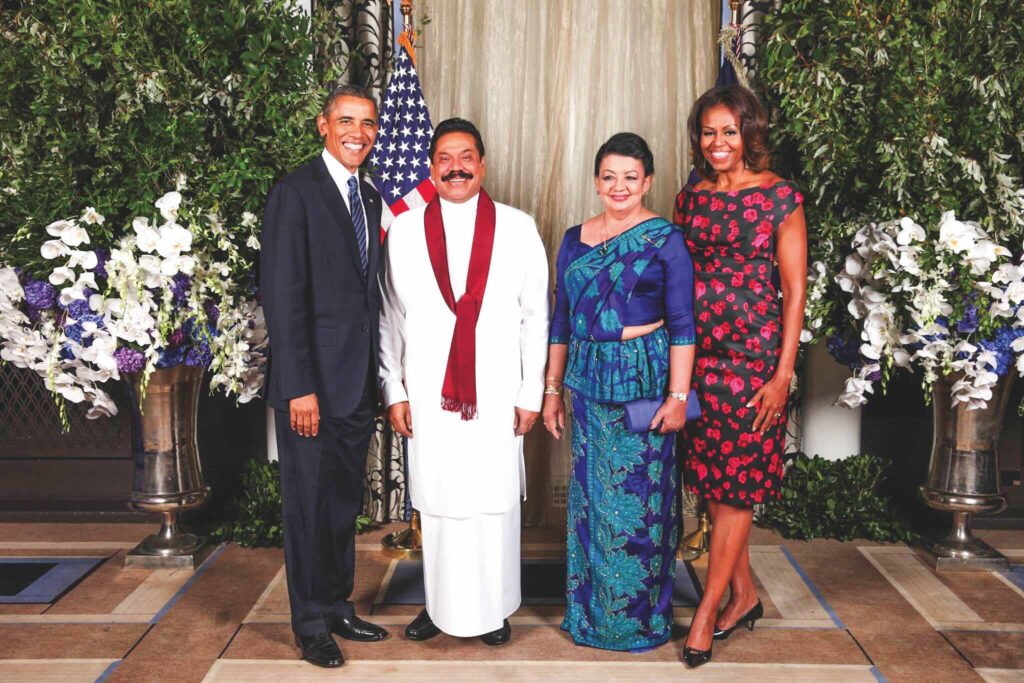
Mahinda Rajapaksa and Shiranthi Rajapaksa with former U.S. President Barack Obama and First Lady Michelle Obama.
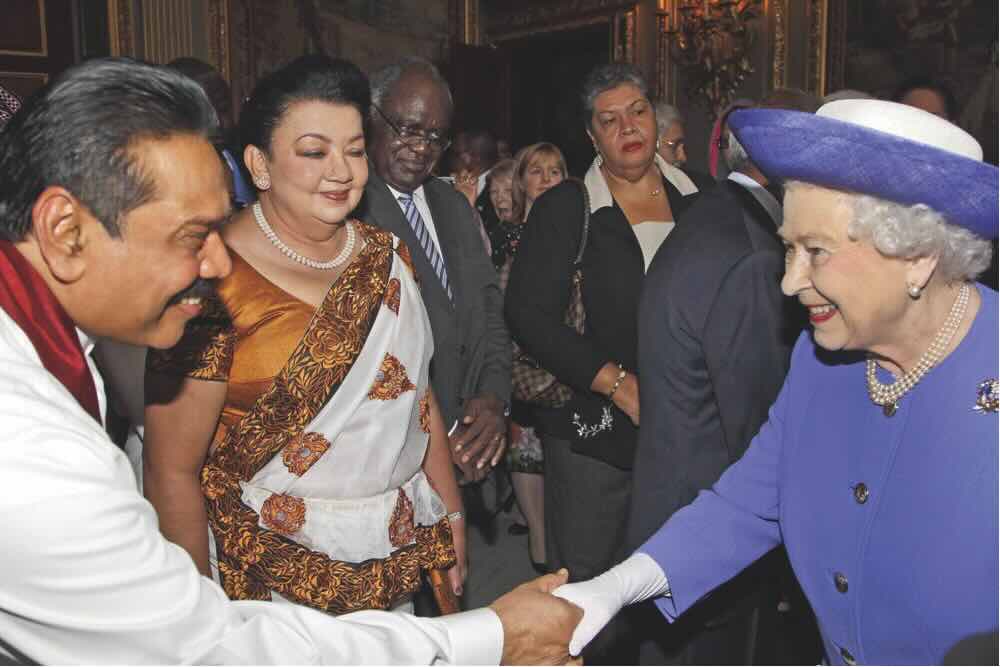
Mahinda Rajapaksa and Shiranthi Rajapaksa attended Queen Elizabeth II’s Diamond Jubilee in London in 2012.
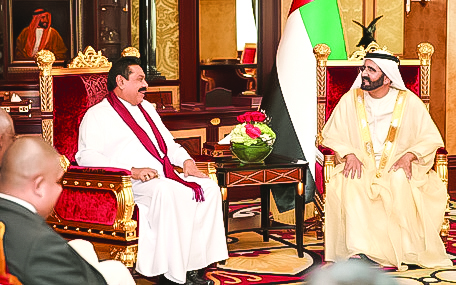
Mahinda Rajapaksa with His Highness Sheikh Mohammed bin Rashid
Al Maktoum, the Vice President and PM of UAE and Ruler of Dubai.
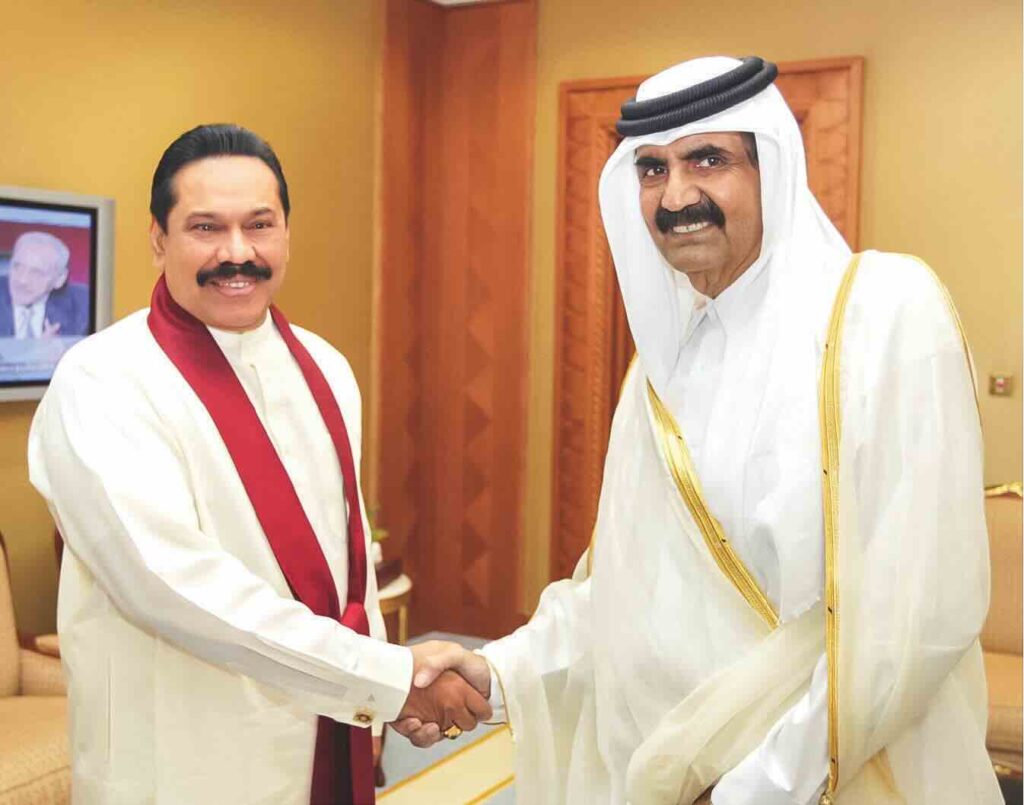
Mahinda Rajapaksa and Emir of State of Qatar Sheikh Hamad Bin Khalif Al-Thani.
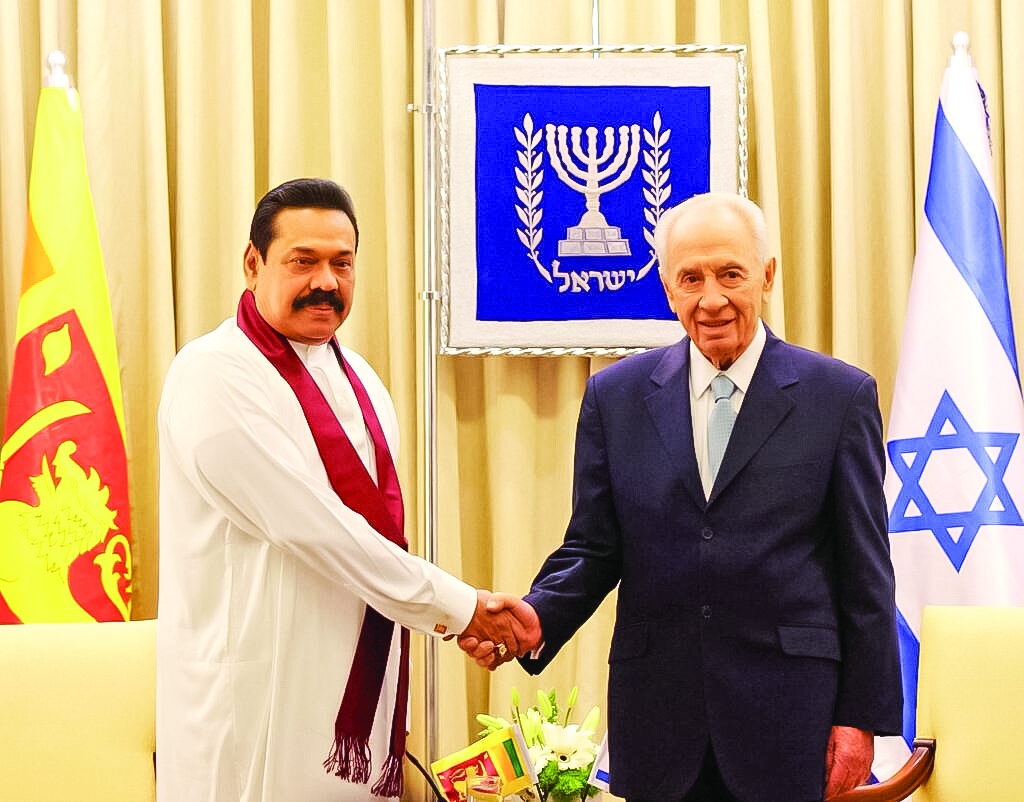
Mahinda Rajapaksa with former Israeli President Shimon Peres.
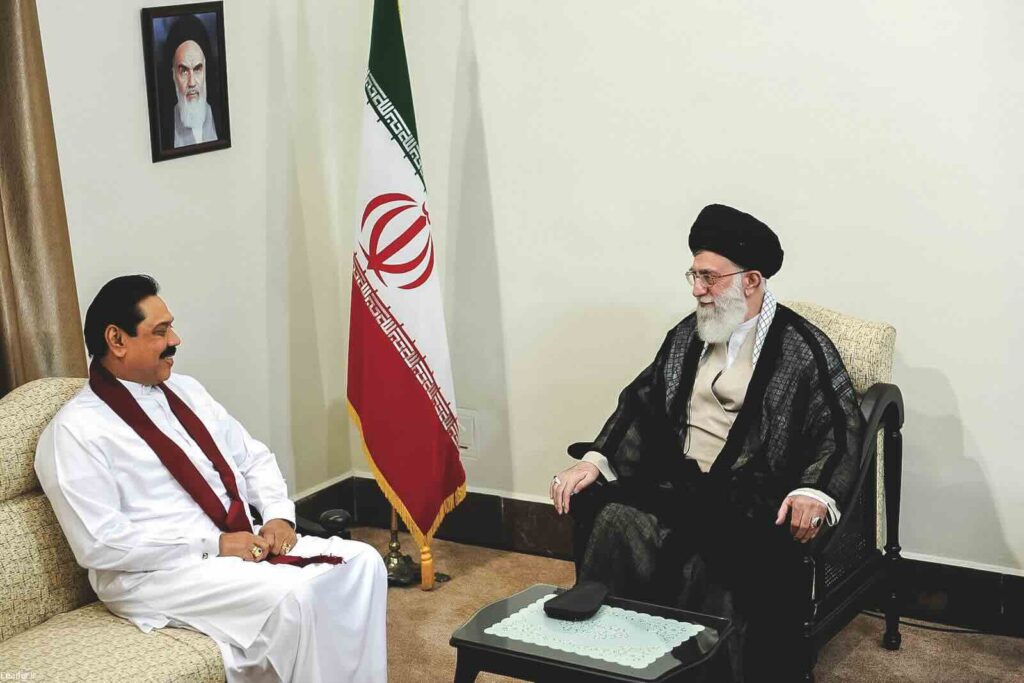
Mahinda Rajapaksa with the late Ebrahim Raisi, former President of Iran.
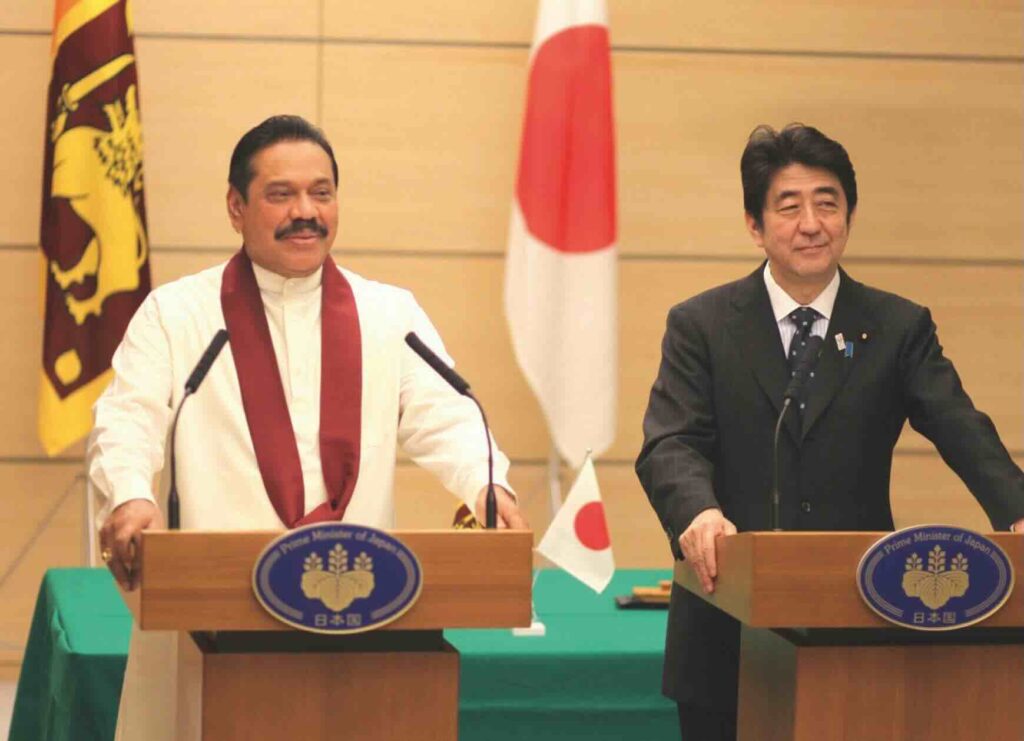
President Mahinda Rajapaksa with Japanese Prime Minister Shinzo Abe.
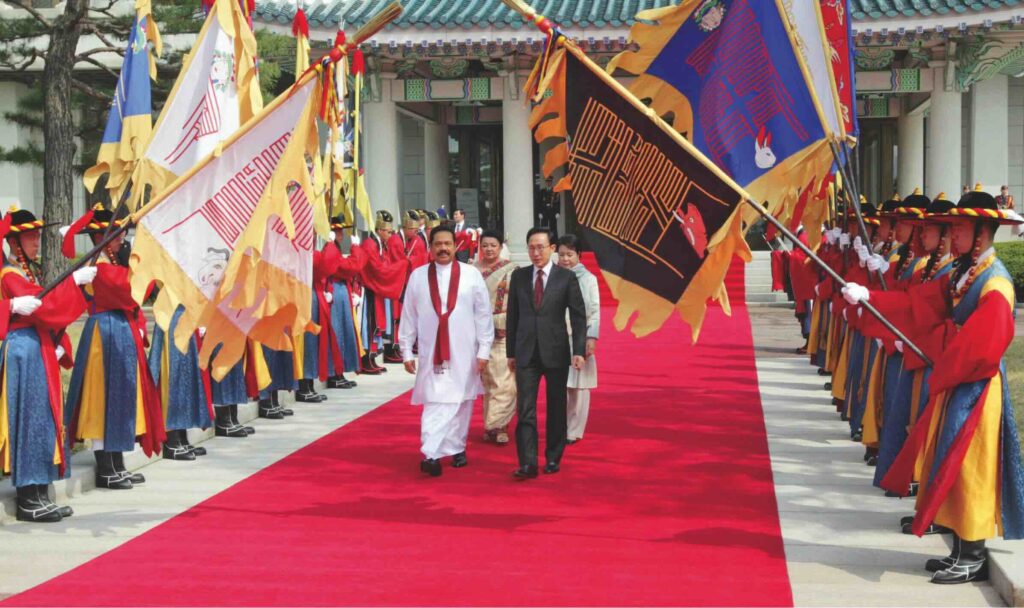
Mahinda Rajapaksa with former South Korean President Lee Myung-bak.
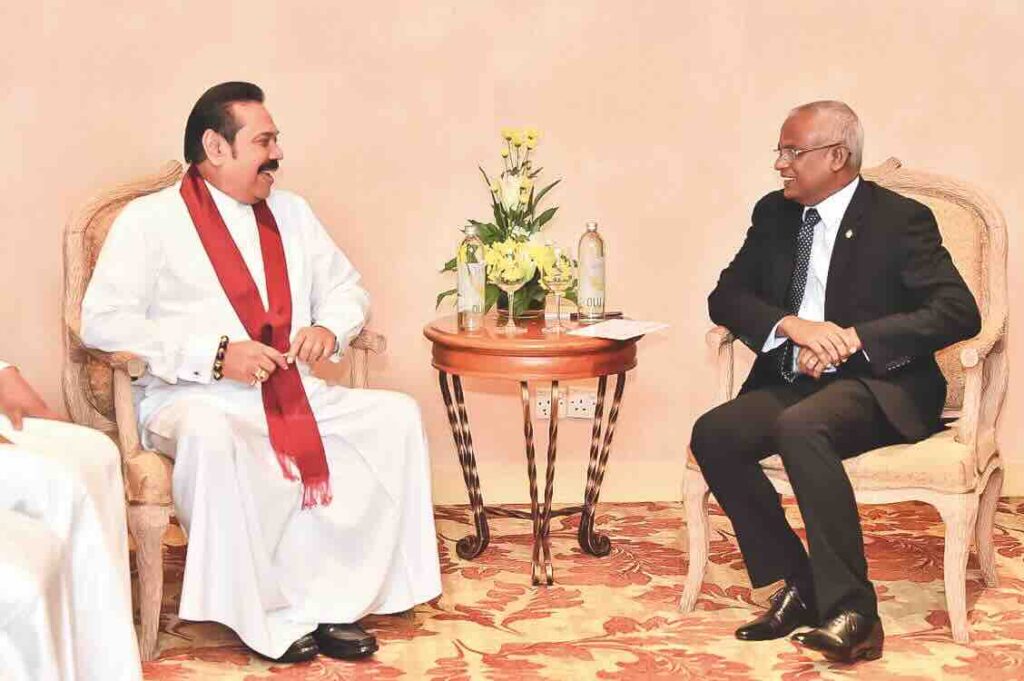
Mahinda Rajapaksa with former President of the Maldives Ibrahim Mohamed Solih.
Poverty Reduction and Human Development
Perhaps one of the less visible but equally significant achievements of Mahinda Rajapaksa’s decade in power was the reduction of poverty.
National poverty levels, which were over 15 percent in 2006, fell below seven percent by 2014. Rural development programs, electrification, irrigation, and expanded healthcare all contributed to this trend.
Following the war, the resettlement of displaced communities was coordinated alongside programs aimed at restoring livelihoods, housing, and community infrastructure.
Roads, schools, and markets were built in the Northern and Eastern Provinces, integrating regions once cut off from development into the national economy.
Legacy of Leadership
By 2015, Mahinda Rajapaksa had left an indelible mark on Sri Lanka. He ended the war, unified the country, and oversaw a decade of rapid economic and social transformation. Highways, ports, airways, and modern cities were physical evidence of his vision. Electrification, irrigation, and social investment reshaped the lives of millions. Tourism, exports, remittances, and private sector growth expanded the economy. Poverty declined, and Sri Lanka stepped onto the world stage with renewed confidence.
Poverty fell from over 15 percent in 2006 to below seven percent by 2014, marking a decisive shift in national development.
His leadership style was rooted in conviction and determination. Mahinda Rajapaksa was not a technocrat but a political leader who instinctively understood that peace and development were inseparable. His willingness to make bold decisions, whether on the battlefield or in economic policy, defined his presidency. Mahinda Rajapaksa inherited a nation divided by war and uncertainty.
He left a country at peace, more connected, prosperous, and confident in its place in Asia.
While challenges remained, the achievements from 2004 to 2015 formed a foundation on which the nation would eventually build.
For Sri Lanka, Mahinda Rajapaksa’s years in power marked the end of the war and the rebirth of our country.
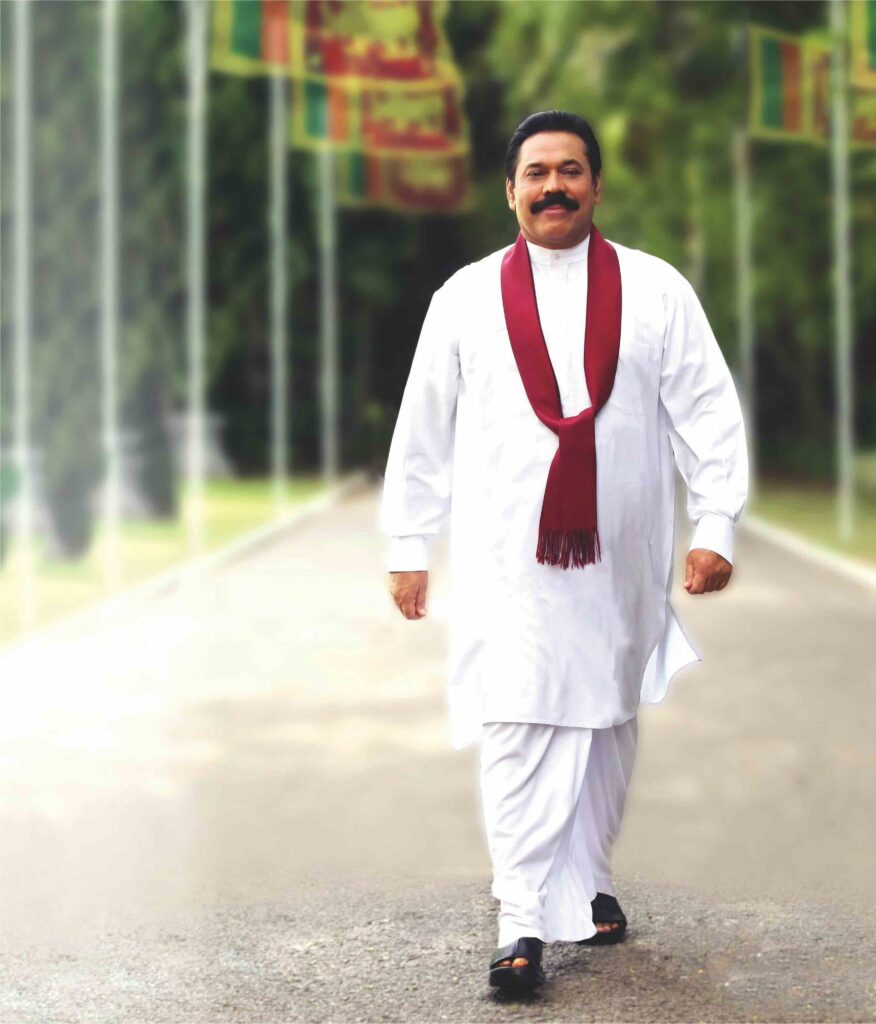
Mahinda Rajapaksa embodied strong leadership and determination.