

As Sri Lanka’s financial landscape evolves, the National Development Bank (NDB) has navigated a pivotal phase of growth, innovation, and strategic recalibration. Under the leadership of CEO Kelum Edirisinghe, the Bank has recorded remarkable post-tax profit growth, strengthened asset quality, and expanded its footprint across retail, SME, and wholesale banking.
Edirisinghe tells Business Today about NDB’s operational priorities, digital transformation, ESG initiatives, and how the Bank plans to deliver sustained value for shareholders and customers.
Words: Jennifer Paldano Goonewardane.
Photography: Sujith Heenatigala and Dinesh Fernando.
With NDB’s post-tax profit increasing by two-folds in 2025 on a comparable basis over 2024, what were the key strategic and operational drivers behind this exceptional PAT growth, and how sustainable are these drivers in 2026 and beyond?
2025 was pivotal for NDB. We achieved an all-time high profit after tax of 11 billion rupees, when adjusted for one-off gains in 2024, a two-fold growth over 2024. Among many other performance indicators that did well – ROE improved to 13.5 percent and the Balance Sheet posted a solid growth of 18 percent, to 936 billion rupees. We launched a clear strategic roadmap to 2030 with an external partner – BCG. This sharpened our competitive focus, sustainable growth plans, and efficiency improvements.
The growth is the result of strategic choices. Loan and advance expansion was a primary driver across segments. Project financing performed exceptionally well, reflecting renewed investment activity and economic momentum. At the same time, retail banking saw a meaningful rebound, supported by improved consumer sentiment and spending. Within retail, selected asset products delivered particularly strong traction, contributing significantly to both volume growth and margin enhancement. Disciplined credit underwriting was vital. We strengthened risk frameworks, improved portfolio selection, and prioritized quality over scale. This enabled profitable expansion while maintaining high asset quality and low volatility.
Operational efficiency was central. We streamlined processes, improved turnaround, and boosted productivity. Revenue growth, margin management, and cost controls led to record results for 2025. These growth drivers are solid. Economic recovery, renewed investment, and stronger consumer confidence help. Our disciplined focus—sector growth, underwriting, digitalization, and efficiency—positions us well for 2026 and beyond. Despite macroeconomic risks, our confidence stems from a strategy-led, structurally anchored performance, providing a solid platform for sustained, high-quality growth.
In the context of a declining interest rate environment, how has NDB managed its net interest margins, and what initiatives are in place to protect margins without compromising credit quality?
Protecting net interest margins in a falling-rate environment requires discipline, strategy, and focus. Margin management is key for us, along with growth and asset quality. We deliberately manage both sides of the balance sheet. On assets, we focus on pricing and risk-adjusted returns for each lending decision. We avoid sacrificing margins for growth. Our underwriting sets prices based on credit risk, sector context, and capital use.
Deposit pricing is carefully managed. In a declining-rate climate, repricing deposits is critical. We have expanded our CASA base to buffer margins, lower funding costs, and improve margin resilience. Our loan growth has focused on retail and SME banking, which tend to offer stronger margins than wholesale banking. By targeting these well-managed, higher-yield segments, we protect spreads while maintaining credit standards.
Can you elaborate on the specific segments or products that contributed most to the growth in non-fund income and how you plan to further diversify revenue streams?
Non-fund income growth stems from strong credit momentum. As lending rises, ancillary fee income also increases significantly.
Retail fee income from products such as personal and housing loans, leasing, and asset-backed facilities has grown through processing fees. Our credit card portfolio also adds to interchange and service fees as volumes increase.
Trade finance remains a key pillar of non-fund income. As trade flows normalize, products such as letters of credit and guarantees have contributed significantly to fee income, supporting both SMEs and corporates.
Our digital banking franchise has a visible impact, as increased digital adoption drives growth in transaction-based fees and value-added service income, with digital fee income offering scalability. We aim to diversify and strengthen fee income. We constantly review fee structures to enhance competitiveness, simplify offerings to increase usage, expand wealth management, improve trade solutions, and deepen payments.
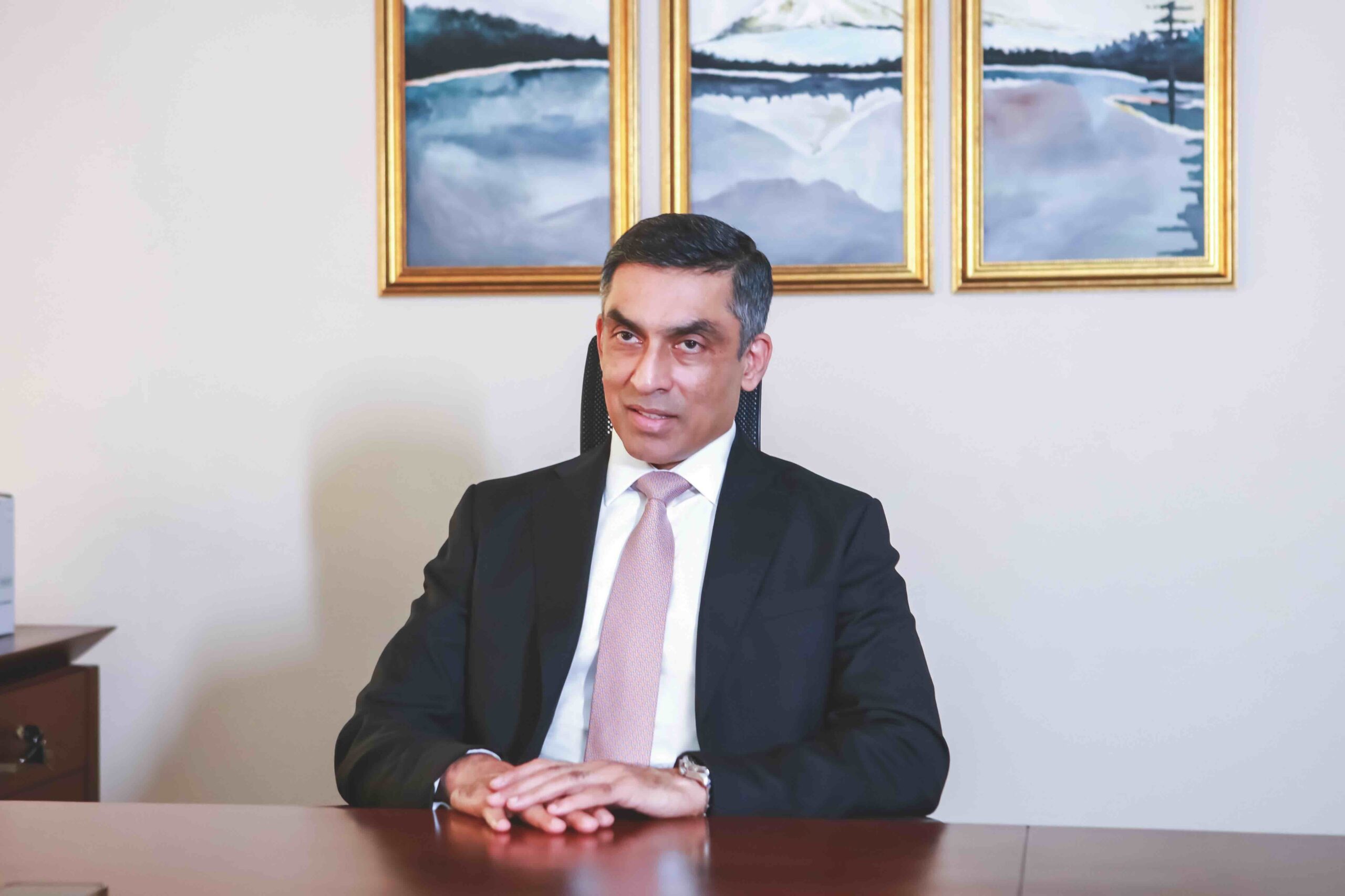
Which sectors or customer segments drove the strongest loan book growth in 2025, and how are you calibrating credit risk as you scale?
Loan growth in 2025 was broad-based at 29 percent, but project and structured financing led, with several large, offshore-linked deals. We are proud of this area’s performance.
Retail banking also excelled. Leasing reached record growth, reflecting renewed activity and purchases. Pawning grew at historic levels, providing strong retail momentum. We made a deliberate push into SME lending in 2025, central to NDB’s mission. The SME loan book expanded by over 25 percent year-on-year, across segments to diversify.
Growth is balanced with risk discipline. Credit underwriting is essential. We focus on long-term value, maintaining prudent underwriting, portfolio monitoring, and recovery for sustained performance. We focused on managing our Stage 2 portfolio, analyzing each client for stress, engaging early, and offering solutions as needed. Recovery and preventing slippage were priorities. Consistent, small improvements create lasting performance.
We reinforced our ‘three lines of defense’ model. Business units’ own growth, risk, and compliance ensure balance. We invested in empowering the risk function so that growth and risk advance together. In parallel, we are enhancing our credit infrastructure —from internal rating models to data analytics and risk assessment frameworks. This is a core component of our broader transformation journey. While some of these improvements are already visible, we expect the full benefits of these investments to be more evident in 2026 and beyond.
Given NDB’s emphasis on SMEs as a backbone of the economy, what tailored products or risk mechanisms are being developed to support sustainable SME growth, especially for early-stage enterprises?
As a bank with strong development banking roots, we are particularly focused on building sustainable mechanisms that allow SMEs to access finance responsibly and grow with resilience.
One of the key initiatives we are currently driving is a risk-sharing partnership with the International Finance Corporation (IFC). Under this agreement, we have structured a risk participation framework that enables us to extend credit to underserved segments that may otherwise struggle to access formal financing. Through the IFC-backed guarantee component, we can absorb a portion of the credit risk, thereby increasing our lending appetite to viable but constrained enterprises. This is particularly impactful for businesses operating in emerging or underserved communities.
We are also very strong in supply chain and distributor financing. In this model, we underwrite the creditworthiness of a large, established ‘anchor’ corporate. Based on that anchor relationship, we extend financing to its suppliers or distributors. By anchoring the risk assessment to the stronger counterparty, we can provide working capital support to smaller enterprises within that ecosystem. This approach reduces risk while improving liquidity for SMEs integrated into formal supply chains. In addition, we actively leverage the National Credit Guarantee Institution (NCGI) scheme, which is supported by the Government of Sri Lanka.
Through this framework, we can extend facilities to SMEs with partial credit guarantees, enabling us to support promising businesses that may lack traditional collateral but demonstrate viable cash flows and growth potential. Beyond financing, we also focus on empowerment and market access.
Our Sri Lanka ‘Vanithabhimana’ Women Empowerment Program, which has been in operation for several years, is designed to identify, recognize, and uplift women entrepreneurs. The program provides visibility, networking platforms, and, in certain cases, support for market linkages. In its newer phase, we are looking to further strengthen the structured mentoring and capacity-building components so that women-led enterprises can scale sustainably. We are also empowering 30 women entrepreneurs to scale up to fully-fledged exporters by 2030.
Your loans and deposits were placed under special arrangements with ‘netting-off’ features. Could you explain the strategic rationale behind these special arrangements and how they are expected to impact future liquidity and credit risk profiles?
The special arrangements referred to in our disclosures relate to what is commonly known in international banking as notional pooling or balance offset structures. These are not unusual products. They are widely used in more developed markets as part of sophisticated treasury and transaction banking solutions. The strategic rationale behind offering such arrangements is straightforward. As a full-service commercial bank with strong corporate and wholesale banking capabilities, we aim to provide integrated transaction solutions to our clients. In certain cases, a client may maintain a foreign currency deposit while simultaneously borrowing in Sri Lankan rupees for working capital or operational needs. Under a notional pooling or offset structure, the balances on the deposit side and the borrowing side are economically linked for interest calculation purposes, even though they remain separate line items on the balance sheet. As both the deposit and loan balances grow, the balance sheet’s gross size increases.
However, from a transparency standpoint, it is important that the market clearly understands the nature of these exposures. The same set of clients may appear on both the asset and liability sides of the balance sheet. If this is not properly disclosed, observers could misinterpret the expansion in loans and deposits as unrelated growth. By highlighting these arrangements separately, we ensure clarity and reinforce our commitment to transparent financial reporting.
These arrangements reflect the evolution of our transaction banking capabilities and our effort to align with global best practices, while ensuring that our liquidity and credit risk profiles remain prudently managed.

As NDB has recorded a decline in impairment charges and an improvement in Stage 3 ratio, what risk-management enhancements drove improvements in asset quality last year, and how resilient is the loan portfolio against potential macroeconomic stressors?
Improving asset quality was one of our top strategic priorities over the past year. In our engagements with investors and stakeholders, we consistently emphasized three core focus areas — asset quality, sustainable growth, and strengthening transaction flows. Among these, asset quality required particularly disciplined execution.
Managing and reducing our Stage 3 ratio was central to that effort. We undertook a comprehensive review of stress exposures. Where businesses were viable but temporarily challenged, we implemented structured resolution plans and supported them through carefully designed restructuring frameworks. The objective was not merely to contain non-performing loans, but to rehabilitate customers wherever possible and prevent further deterioration.
As a result of this focused intervention, our Stage 3 ratio has improved significantly — nearly halving compared to prior years. This improvement was the outcome of deliberate portfolio management and consistent monitoring.
A key enabler was the close coordination between the first and second lines of defense. Our business teams and risk teams worked together with a common purpose — identifying emerging stress early, discussing customer-specific challenges, and taking timely corrective action. We also strengthened our early warning systems and collection processes. Enhanced monitoring frameworks, tighter follow-ups, and improved analytics allowed us to detect risk signals sooner and intervene proactively. These are fundamental principles of sound credit management, and we reinforced them across the organization.
It is also important to acknowledge the supportive macroeconomic backdrop. The decline in interest rates has eased debt-servicing pressures for many borrowers, thereby improving repayment capacity. That external factor, combined with our internal corrective actions, has accelerated the improvement in impairments and overall portfolio quality.
Our portfolio is resilient and is better diversified, underwriting standards are tighter, monitoring systems are stronger, and the culture around risk ownership is more embedded.
As operating expenses rose by about 13 percent amid investments in IT and business development, can you discuss the strategic priorities behind the increase and how NDB is enhancing operational efficiency amid these investments in digital innovation?
Broadly, the cost growth stems from two main components. The first relates to staff costs. As a responsible employer, we implement annual salary adjustments to keep salaries aligned with inflation and remain competitive in the market. Retaining and motivating talent is critical, particularly in an increasingly digital and specialized banking environment. These adjustments are essential investments in human capital. The second major component is infrastructure and technology investment.
As part of our long-term strategic roadmap toward 2030, we have identified several transformation streams that require meaningful capital allocation, particularly in IT systems, digital platforms, and core banking enhancements. These investments have been undertaken with full Board support, reflecting our conviction that sustainable competitiveness requires strong digital foundations.
For example, we have partnered with the International Finance Corporation (IFC) on initiatives to strengthen our transaction banking capabilities. This includes upgrading systems and solutions that will enhance cash management, trade services, and client connectivity, broadening our fee-based income streams while modernizing service delivery. When evaluating operating costs, I always emphasize the distinction between short-term expense and long-term value creation. We are consciously investing today to future-proof the Bank. These investments will yield operational leverage over time.
A key focus area is improving the customer interface. We are redesigning our onboarding and loan origination processes to make them more digital, streamlined, and frictionless. Traditionally, customers had to navigate paperwork-heavy procedures and lengthy turnaround times. By investing in digital loan origination systems and customer onboarding platforms, we are simplifying processes, reducing manual intervention, and enhancing speed and accuracy. These digital enhancements improve customer experience and also drive internal efficiency.
What are NDB’s key digital initiatives planned for 2026 to enhance customer experience and operational agility, particularly in retail and SME segments?
On the retail banking front, one of our flagship initiatives in 2025 was the next evolution of our NEOS digital banking app. The new version of NEOS has been designed with a significantly enhanced look and feel, offering customers a seamless, intuitive experience. Today, many everyday banking needs can be handled entirely digitally, without visiting a branch. That said, digital transformation is not a one-time event. We are continuously rolling out additional functionalities to expand the scope of self-service banking. Over the course of 2026, customers will see further enhancements, particularly in digital onboarding journeys and end-to-end transaction capabilities.
Our aim is to create a frictionless experience, reducing paperwork, shortening turnaround times, and improving accessibility. In the SME space, we have already launched TradeLinc — a distributor financing platform developed in-house. TradeLinc is designed to support SME clients by digitizing elements of trade and supply chain financing, making access to working capital more efficient and transparent. The fact that it was built by our own technology team speaks to the strong in-house digital capabilities we have cultivated. We have also implemented an internally developed loan origination system for our corporate banking customers. This system enhances credit processing efficiency, improves data accuracy, and reduces approval turnaround times. Importantly, our digital progress has also been recognized externally.
We were named Sri Lanka’s Digital Bank for SMEs by Euromoney, and we have also received recognition in trade finance as the number one Domestic Trade Finance Provider by Euromoney— an accolade that reinforces the impact of our technology-driven transformation. However, I would say that the most exciting developments are still ahead. Many of the foundational investments we have made — particularly in onboarding platforms, automation, and customer interface redesign — will begin to scale meaningfully in 2026.
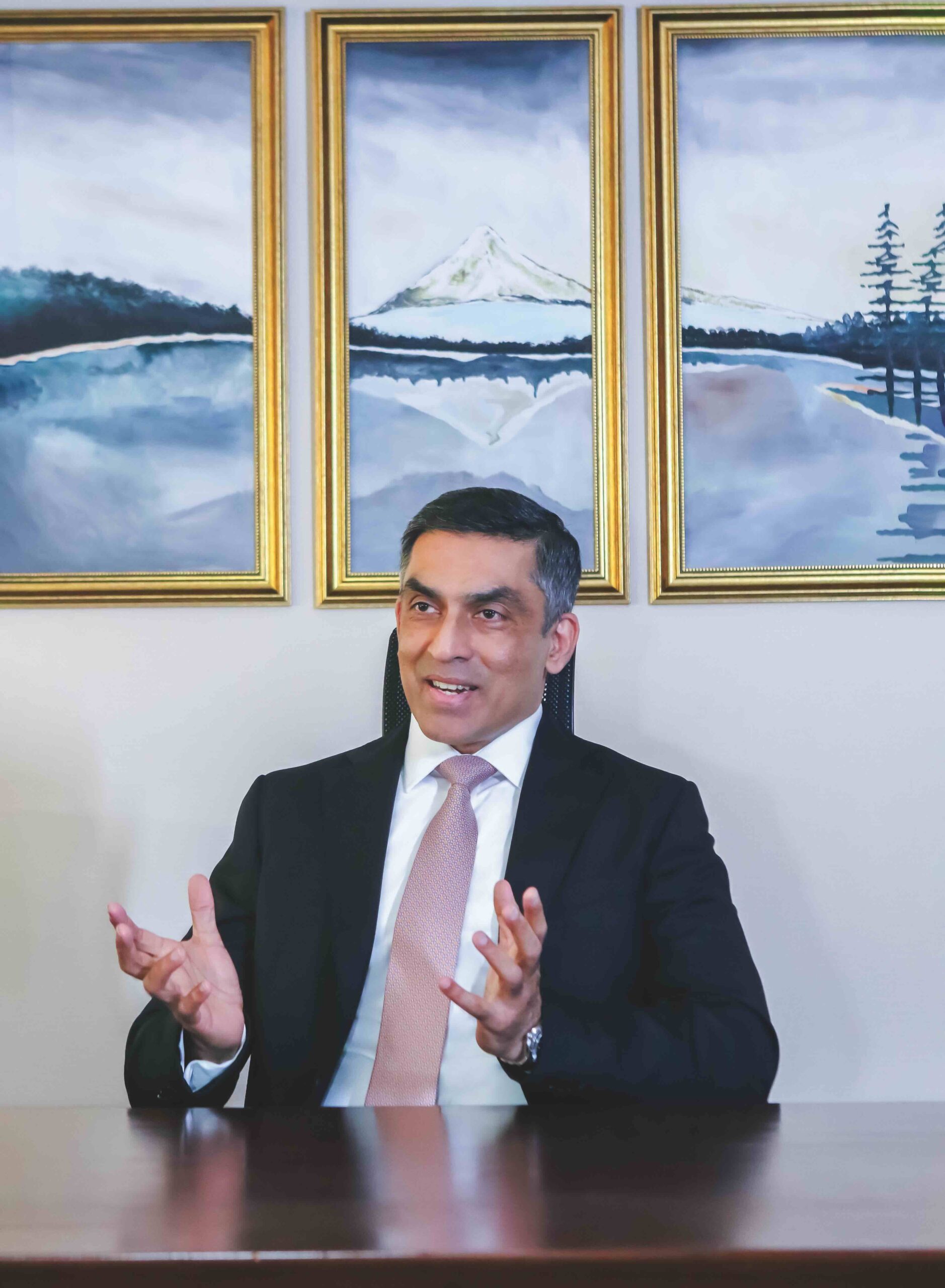
With NDB emphasizing ESG as a central part of its vision, how is ESG being integrated into portfolio decisions and product offerings, and what measurable outcomes do you expect by 2027?
ESG is embedded into the way we conduct business and shape our future. In 2025, we formalized this commitment by establishing a dedicated Board Subcommittee on ESG, chaired by an independent director. This ensures robust governance oversight, clear accountability, and structured monitoring of our environmental, social, and governance priorities.
From a portfolio perspective, ESG considerations are integrated into our credit appraisal framework. When evaluating lending proposals, we assess not only financial viability but also environmental and social factors. These safeguards are systematically incorporated into our risk assessment processes, reinforcing responsible lending. On the environmental front, we are particularly proud of our contribution to Sri Lanka’s renewable energy sector. NDB has financed approximately 20 percent of the country’s renewable energy capacity through project financing initiatives. Supporting solar, wind, and small hydro developments aligns with national sustainability goals and our long-standing mandate as a development-oriented bank.
Social inclusion is another important pillar. We have expanded targeted financing programs for SMEs, with a special emphasis on women-led enterprises. We recognize the multiplier effect that supporting women entrepreneurs has on families, communities, and economic resilience. Strengthening financial access for these segments is central to our inclusive growth agenda. In 2025, we also announced our plans to issue a GSS+ bond of 16 billion rupees. The proceeds are earmarked to finance and refinance eligible green, social, and sustainable projects, further deepening our ESG-linked lending portfolio.
How do strategic collaborations with agencies translate into tangible outcomes for local businesses, and are there plans to expand these partnerships?
With IFC, our engagement has been multi-dimensional. Firstly, we secured a USD16 million trade finance line in partnership with IFC, specifically to strengthen our capacity to support importers and exporters. In a market where access to foreign currency liquidity has at times been constrained, this facility directly enhances our ability to facilitate cross-border trade for our clients.
Secondly, we entered into a risk-sharing agreement with IFC — one of the first of its kind for us. This arrangement enables us to expand lending to the SME segment by sharing a portion of the credit risk. The practical outcome is that we can extend financing to viable but underserved businesses that might otherwise face constraints due to collateral or risk considerations. It is a powerful instrument in driving inclusive growth. With the Asian Development Bank, our current engagement primarily revolves around funding lines. These lines provide medium to long-term funding that supports priority sectors, including SMEs and development-oriented projects. Our collaboration with the Export Development Board is more need-based and client-centric. In addition, we are an active participant in the Government-backed National Credit Guarantee Scheme (NCGIL).
Our contribution under this scheme has been particularly strong, especially when compared with some of the larger banks in the system. The scheme allows us to extend credit to SMEs with partial government guarantees, thereby expanding access to finance while prudently managing risk.
As export sectors regain momentum, how is NDB strengthening its trade finance and foreign currency lending capabilities to support export-oriented businesses?
We already have a strong export-led customer base within our corporate and SME banking portfolio. Our approach goes beyond simply extending credit to provide integrated trade and transaction banking solutions tailored to exporters’ specific needs, whether that involves working capital financing, trade facilitation instruments, or foreign currency funding structures.
One of our recent initiatives in this space has been in collaboration with the IFC. Through this engagement, we are strengthening our trade and transaction banking capabilities, with a particular focus on enhancing client solutions. This includes improving cross-border payment efficiency, expanding trade finance lines, and leveraging structured facilities that support both import and export flows.
Foreign currency liquidity is a critical enabler for export growth. Through multilateral funding lines and our own balance sheet management, we are enhancing our ability to provide foreign currency lending to eligible clients. This ensures exporters have timely access to funding for raw material imports, capital expenditures, and working capital.
In addition, we channel a significant volume of worker remittances. These remittance inflows contribute to our foreign currency base, strengthening our capacity to support trade-related transactions. It also enables us to serve export-linked customers across both retail and wholesale banking segments.
While NDB has traditionally been recognized for development banking and SME financing, what role does retail banking play in your long-term growth strategy?
While we have historically been recognized as a development bank and a strong project financier, we operate as a fully-fledged commercial bank with balanced capabilities across wholesale, SME, retail, and capital markets.
Our branch network is one of our greatest strengths. We are present in over 113 locations across Sri Lanka, which gives us proximity to customers. Branch teams understand the local economy, the entrepreneurs in their communities, and the evolving needs of individuals and businesses alike.
One of the key drivers of our SME growth in 2025 was our deliberate effort to integrate SME banking more closely with our retail branch network. At ground level, there is often a very thin line between a retail customer and an SME customer. An individual depositor today may be a small business owner tomorrow. By empowering our branch managers to serve both segments seamlessly, we were able to bridge that gap and capture growth opportunities more effectively.
Retail banking also provides balance sheet stability. A strong retail deposit base enhances funding diversification and supports our lending ambitions across other segments. At the same time, our expanding suite of retail products — supported by digital platforms and improved onboarding systems — strengthens customer engagement and cross-selling opportunities.
Retail banking will continue to play a significant role in our long-term strategy, centered on evolving solutions, enhancing digital capabilities and service excellence.
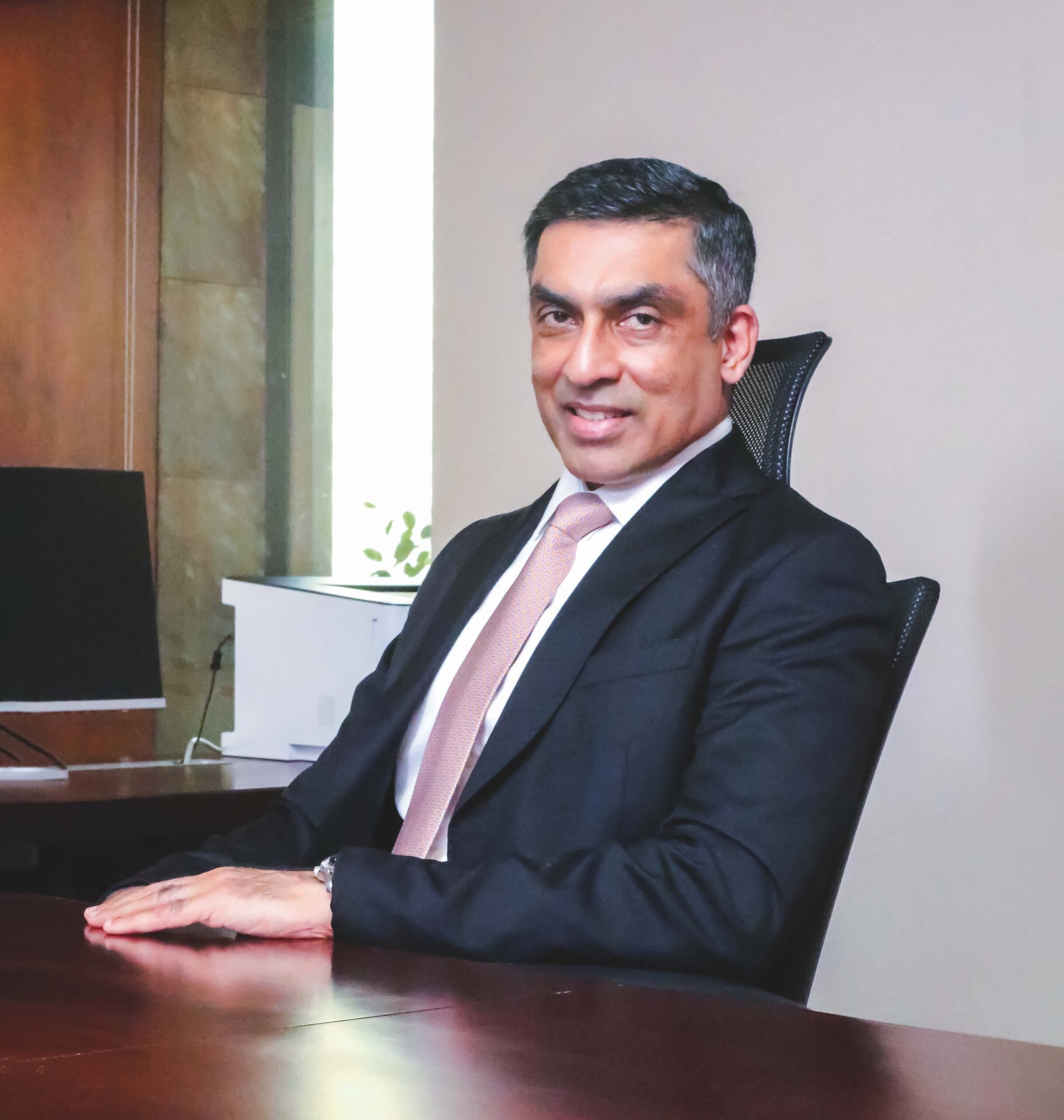
With signs of economic recovery in Sri Lanka, what external risks concern you most, and how is NDB positioned to mitigate them?
Looking at the macroeconomic environment in Sri Lanka, I’m quite confident that key indicators will remain broadly in line with the Central Bank’s guidance.
Credit must be given to both the Central Bank and the government for staying on the IMF-supported path, which has provided stability and predictability for the banking sector. From our perspective, the more significant risks come from the external, geopolitical front.
Global trade tensions, such as evolving US tariff policies and broader geopolitical uncertainties, can affect global supply chains and trade costs. These are factors that, as a bank, we cannot control, but we monitor closely because they could influence the cost environment for our clients, particularly exporters and importers. Domestically, we are well-positioned to weather potential shocks.
Sri Lanka’s foreign reserves are stable, dollar liquidity is sufficient, and government policies signal a proactive approach to debt servicing. Inflation remains under control, and the economy is gradually recovering. These factors create a positive operating environment for us.
At NDB, we are well-prepared. Our liquidity buffers are strong, our credit portfolio quality has improved significantly, and export inflows continue to provide robust support. Operationally, we focus on prudent risk management, ensuring that our lending and funding strategies remain resilient against both domestic and external uncertainties. So while we keep a close eye on global developments, particularly geopolitical tensions, I am confident in our positioning. Our balance sheet strength, disciplined credit management, and diversified operations enable us to navigate challenges and continue supporting our clients effectively.
What are the top strategic priorities you have set for NDB over the next two years, and which business segments are expected to drive the next wave of growth?
Over the next two years, our strategic focus at NDB is guided by our 2030 vision, which is built around three core pillars: simplify, scale up, and strengthen. This strategy is supported by a strong execution plan being diligently driven by our transformation team.
At the heart of this strategy is operational efficiency. We are actively working to reduce costs, improve customer service, and remove friction across processes, so that decision-making becomes faster and more agile. The goal is to streamline the organization while driving a sustainable bottom line that benefits both our customers and shareholders over the long term.
We have also established clear financial metrics to track mid-term returns and ensure consistent value creation, including strong dividends and sustainable profitability.
In terms of growth segments, we expect continued expansion across SME financing, retail banking, and project finance, with particular emphasis on sectors that contribute meaningfully to the economy, including trade, exports, and women-led enterprises. Each of these areas aligns with our risk appetite and strategic focus, ensuring that growth is both profitable and resilient.
What can you tell us about the teams that support your future plans?
I’m proud to say that we have been accredited as a Great Place to Work for the third consecutive year, which reflects how the market and our employees perceive us. This recognition also demonstrates the results of our sustained investment in talent. We have strengthened our team by bringing in experienced professionals from the market across business and support functions who are helping drive key strategic initiatives.
At the same time, we continue to nurture and promote talent from within the organization. Many of our leaders and specialists have grown their careers here, bringing deep institutional knowledge and commitment to their roles.
The result is a dynamic, vibrant, and young workforce that is not only capable but also proactive in driving change. It’s this combination of experienced leadership, fresh perspectives, and internal talent development that gives me confidence that our teams are fully equipped to execute our strategies and take NDB to the next level.
Growth is balanced with risk discipline. Credit underwriting is essential. We focus on long-term value, maintaining prudent underwriting, portfolio monitoring, and recovery for sustained performance.
So what is the road ahead for NDB?
Looking back over the past two to three years, the banking sector in Sri Lanka faced several challenges. At the start of 2024, for instance, our stage 3 ratio was around 16.6 percent, and our profitability and net interest margins lagged the market. Through a focused approach to credit quality, operational efficiency, and targeted business growth, we’ve reduced our stage 3 ratio to around ten percent,reflecting the progress of these initiatives.
Looking ahead, we are deliberately making strategic investments for the future. That’s why we partnered with BCG—to review the organization with fresh eyes and identify where we can make meaningful improvements. From this, we defined several workstreams across retail banking, wholesale banking, credit infrastructure, and our privileged banking franchise. These streams are designed to recalibrate our businesses for stronger outcomes.
To ensure precise execution, we have established a dedicated transformation team led by our recently appointed Head of Strategy, breaking down initiatives into manageable, measurable pieces. Progress is closely monitored through regular management meetings and monthly board presentations.
Our ultimate goals are to increase market share, strengthen organizational resilience, and deliver long-term shareholder value. The strong support we’ve secured for the required investments gives me confidence that NDB is well-positioned for sustainable growth in the years ahead.