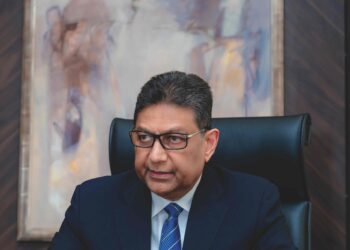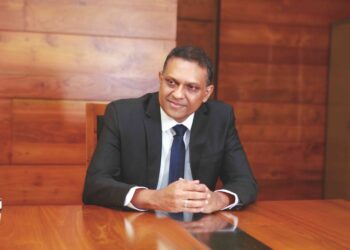

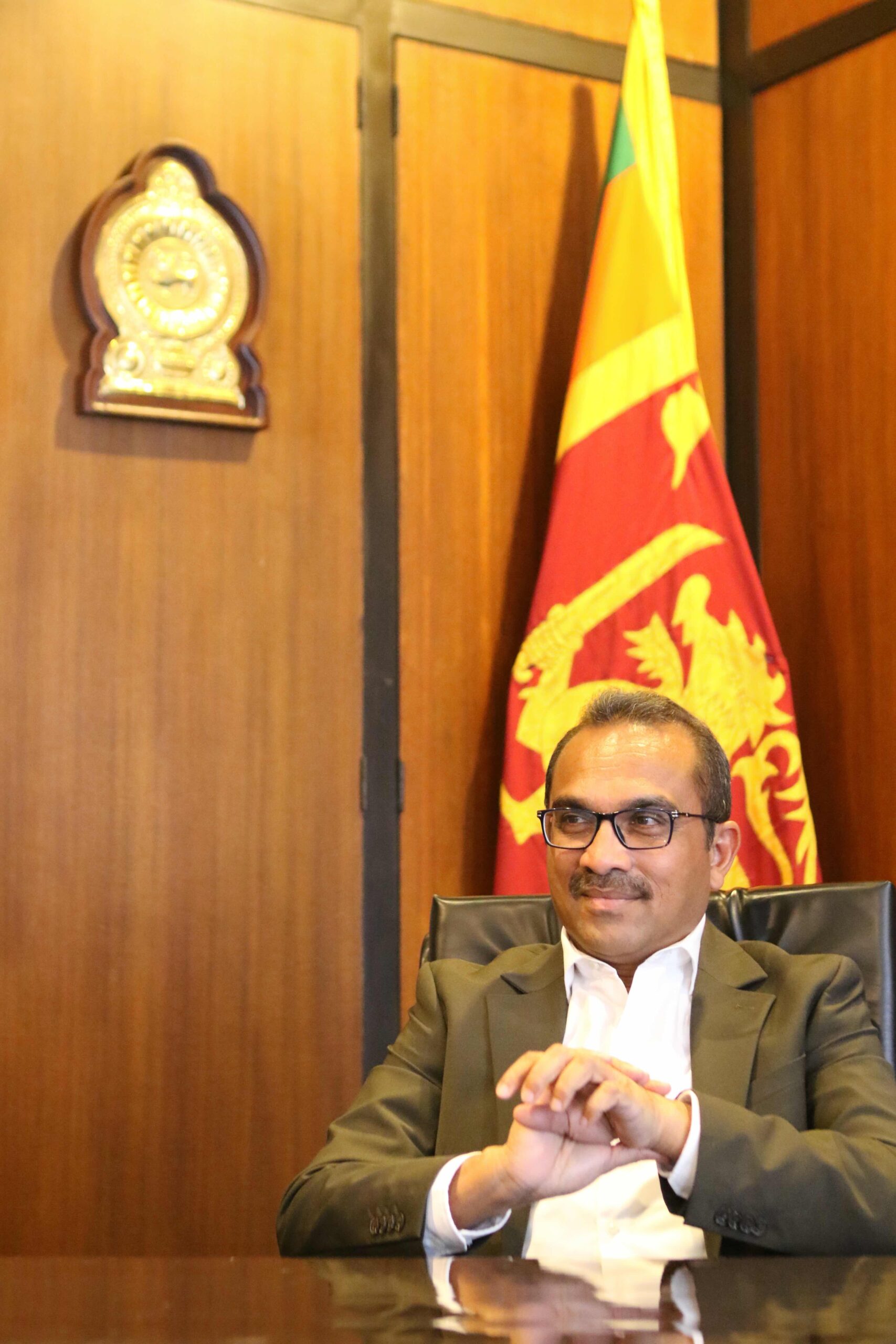
Bimal Rathnayake, the Minister of Transport, Highways, and Urban Development and Leader of the House of Parliament, is spearheading a transformative agenda for Sri Lanka. His vision spans urban renewal and modernized transport systems. Minister Rathnayake is driving initiatives to rebuild communities, enhance public infrastructure, and restore trust in governance.
Speaking with Business Today, Minister Rathnayake highlights the crucial drivers of Sri Lanka’s progress and outlines his priorities for urban development, transport, social reform, and economic growth. He explains both present challenges and opportunities. His approach blends pragmatic solutions, social solidarity, and a long-term vision, showing how disciplined, people-centric leadership can transform the nation.
Words Jennifer Paldano Goonewardane.
Photography Sujith Heenatigala and Dinesh Fernando.
What is your long-term vision for modernizing Sri Lanka’s transport system?
Our objective is to provide Sri Lankans with a convenient, efficient, and safe transport system. Safety depends on good vehicles, reliable roads, and responsible passenger behavior. Modernizing transport involves both infrastructure and cultivating this culture.
This culture requires participation from drivers, bus owners, and passengers. While we can quickly build roads and import better vehicles, matching this with disciplined passenger behavior remains the true challenge—building a new transport culture is our core focus.
So, you believe that reforming our transport culture is central to reform?
The biggest challenge before us is behavioral. Unsafe competition between buses, poor treatment of passengers, exhausted drivers and conductors, and indiscipline on the roads have led to dangerous situations and fatal accidents. Transport today is not adequately designed to serve people. In many areas, buses stop operating after certain hours, leaving commuters stranded. This shows that the system is driven by competition rather than service. Reforming these irresponsible and unprofessional practices is essential.
We are focusing on building passenger solidarity rather than confrontation. We are in the process of establishing passenger committees and have already formed approximately 50 such groups.
What reforms do you plan to introduce to improve bus standards and vehicle safety?
Sri Lanka’s current bus standards are extremely poor. In 2026, we are introducing new specifications requiring all newly imported buses to have enhanced safety features, such as seat belts. We will also ban the importation of cargo vehicles that are converted into passenger buses.
Only purpose-built passenger transport vehicles will be allowed. However, we cannot remove the existing fleet overnight, as this is an industry involving many livelihoods. Therefore, we plan to gradually phase in the reforms and eventually create zones where only buses meeting specific standards will be allowed to operate.
In addition, every passenger transport vehicle will be required to undergo a compulsory monthly simple roadworthiness test. Several deadly accidents in recent years were caused by mechanical failures such as faulty brakes. These tragedies can be prevented through basic safety inspections, and this measure will be strictly enforced.
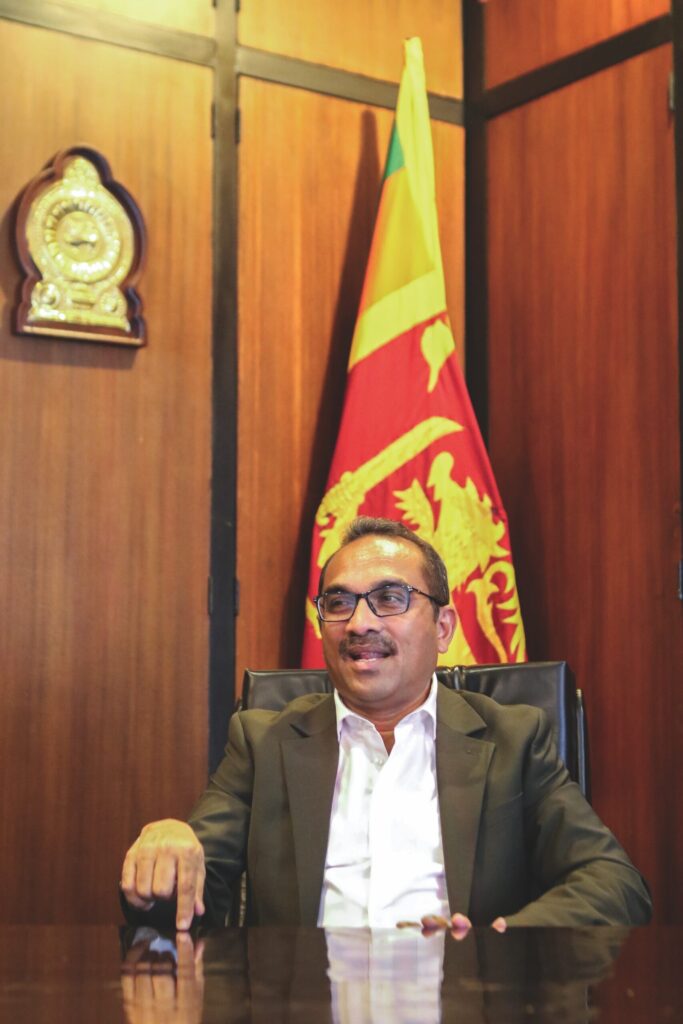
Dangerous competition among buses has been a longstanding issue that has gone unresolved. What do you hope to do about it?
The unhealthy competition among buses has exposed passengers to grave danger and encouraged uncivilized behavior. Drivers and conductors are often exhausted, and passenger welfare is neglected. Our solution is a revenue-sharing bus company model. Unlike in Europe, Sri Lanka’s buses are largely owned by small-scale entrepreneurs, many of whom own just one vehicle. Under the proposed model, we will establish corridor-based virtual bus companies. Owners will retain their buses but will operate under a shared-revenue system. This ensures buses run throughout the day — not only during peak hours — as losses during off-peak times will be balanced by peak-hour earnings.
The transport sector stands to gain most from Sri Lanka’s national digitalization program, which uses digital technology to improve processes. By mid-2026, we aim to have the digital infrastructure needed to launch the revenue-sharing model. This will serve as a virtual company: ownership will remain dispersed, but operations will be centrally planned and digitally monitored to ensure fairness and efficiency.
In making transport safer for all, what steps are being taken to improve driver professionalism and discipline?
We will make the public transport license PT Licence mandatory for all bus and Passenger transport vehicle (such as vans) drivers. Currently, it involves only two days of training, but we plan to extend this to a ten-day program to raise professional standards. Often, our drivers hold a heavy vehicle license. We will not allow that practice to continue and will make the public transport license mandatory for everyone driving a vehicle that carries the public. Drivers will be allowed to obtain a heavy vehicle license at 21, but a public transport license only after their first license renewal at 25. This ensures maturity and experience. We also intend to extend similar requirements to school and office van drivers, and later to three-wheeler drivers at the appropriate time.
In all the above, our primary focus is passenger safety. Seatbelts are already mandatory on expressways and will soon be required on long-distance buses on normal roads. We are implementing drug and alcohol testing for drivers, and mobile units have found that 15–20 percent test positive for drug use, confirming the need for regular inspections, including compulsory roadworthiness tests for buses.
Had our cities been developed through integrated, long-term planning, these challenges could have been avoided. Urban development must be holistic — incorporating housing, education, transport, public spaces, environmental protection, and community life. Without this foundation, cities cannot become truly livable, inclusive, or sustainable.
Do you intend to include three-wheelers and office and school transport in the planned changes?
In June 2025, we amended the National Transport Act, granting authority to regulate school and office vans, taxis, and three-wheelers. After extensive stakeholder consultations, we will gazette the new regulations within the first four months of 2026. These will include fare formulas and service standards. We will also address school van fees, which have been a thorny issue for parents. Many parents complain about having to pay full fees during school holiday months. Currently, no regulations govern this practice. We propose a fair formula: if the school operates for 10 days or more in a month, full payment applies. If it operates for fewer than 10 days, only half the payment applies. This creates a balanced, transparent, and justifiable system for parents and operators.
What measures are planned to ensure the well-being of transport sector employees?
Most employees in Sri Lanka’s public transport sector work informally and have little or no access to welfare benefits. A few large bus operators with sizeable fleets maybe providing Employees’ Provident Fund (EPF) and Employees’ Trust Fund (ETF) coverage. However, the vast majority of drivers and conductors remain outside any formal social protection framework.
To address this long-standing gap, we plan to introduce the Informal Transport Employees Welfare System, for which a new Bill has already been drafted. Under this framework, transport workers will be brought within the Employees’ Trust Fund (ETF) system, which already includes provisions for the self-employed. ETF is a government-mandated social security fund that offers retirement and related benefits. However, we recognize a practical challenge: while the law may define them as self-employed, it is unrealistic to expect drivers or conductors to make regular personal contributions. To resolve this, we propose a commuter-supported contribution model enabled by digital platforms.
A small percentage of each fare will be deposited directly into the driver’s ETF account via an app. For example, on a 1,000-rupee journey, a nominal additional contribution from the fare (0.5 percent to one percent) will be added to the welfare fund, building it collectively through commuter participation. The initiative will be supported initially through government investment, after which it will be strengthened to provide structured benefits such as medical coverage and insurance. After three years, beneficiaries will be entitled to the same protections enjoyed by other ETF contributors. Through this approach, we aim to professionalize the sector while extending dignity, security, and long-overdue recognition to drivers and conductors. The message is clear: the government will take responsibility for their welfare — and in return, they must take responsibility for the safety and well-being of the passengers they serve.
Additionally, in collaboration with the United Nations, we plan to introduce a Transport Safety Presidential Award to recognize disciplined drivers and conductors, dedicated traffic police officers, and individuals who demonstrate exceptional responsibility or heroism. This is part of our effort to instill pride, professionalism, and a culture of responsibility in the sector.
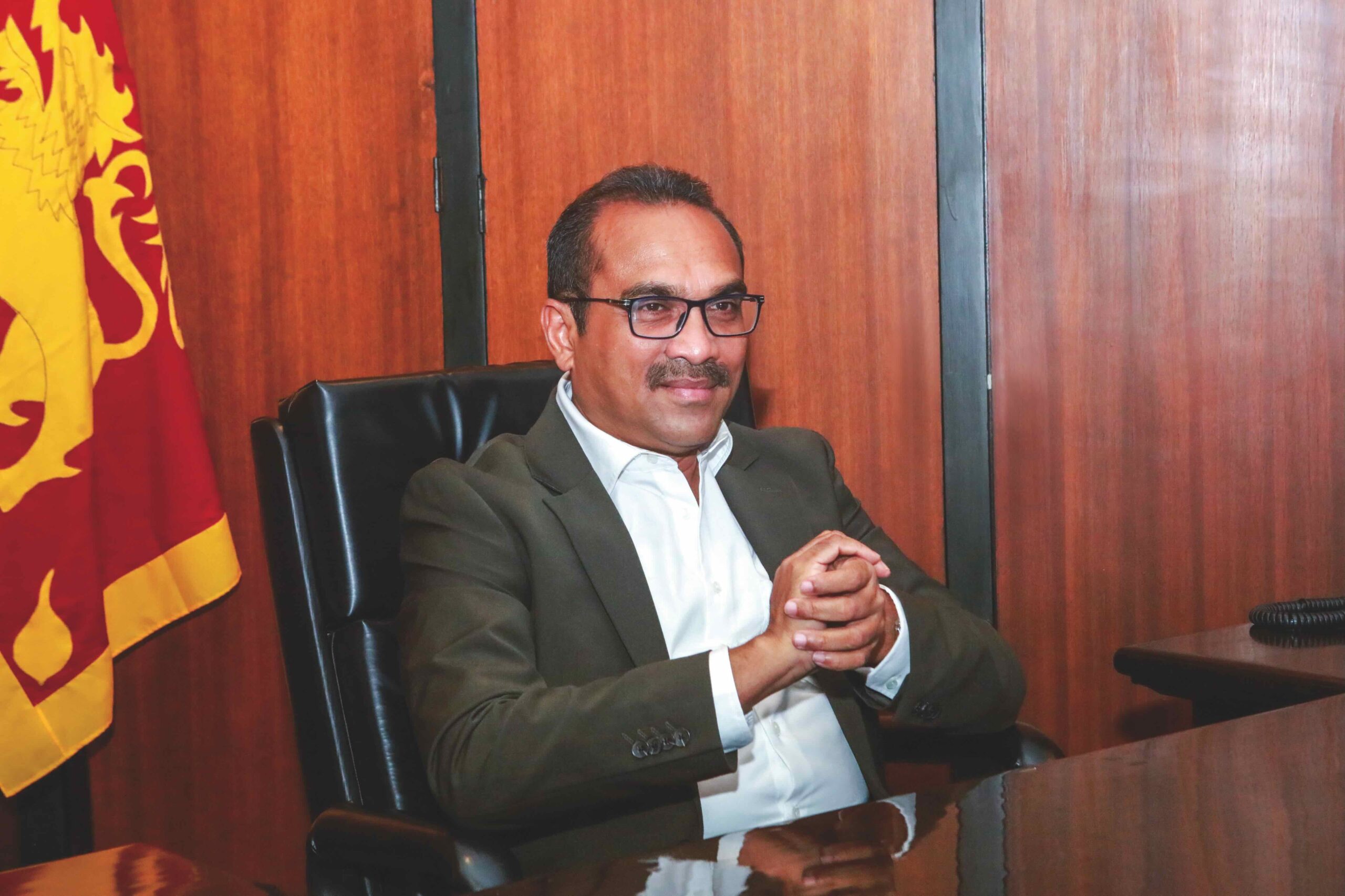
You have also focused on overhauling the railways.
Sri Lanka’s railway system has suffered from years of institutional stagnation. Chronic staff shortages, obsolete machinery, delayed engine maintenance, and operational inertia have collectively weakened what should be one of the country’s most vital public transport assets. Rebuilding the railways, therefore, will not be an overnight exercise — it must be approached as a phased and deliberate transformation.
Our immediate priority has been human capital. The Railway Department has struggled for years to recruit essential staff, particularly technical employees. We have now recruited nearly 2,000 personnel to address critical vacancies. At the same time, we are modernizing training frameworks. Traditionally, the terms of reference for training locomotive drivers required a three-year program — longer, in fact, than the training period for airline pilots. To streamline this without compromising safety, we have introduced advanced simulators that allow trainees to complete approximately a year of structured training before deployment.
Digital reform is another key pillar of the overhaul. We are taking decisive steps to eliminate long-standing irregularities in train seat reservations by introducing a new, secure digital platform through a recently signed agreement. This will ensure greater transparency, efficiency, and public confidence in railway services.
Alongside operational reforms, we have launched the “Dream Destination” program, an initiative to renovate and modernize 100 railway stations across the country in partnership with the private sector. The response has been encouraging, with 40 corporates already committing to the initiative. The first project — the transformation of the Thalpe railway station — has been completed and opened to the public. Under this program, selected stations will be upgraded with modern passenger facilities while preserving their functional importance within the national network.
Institutional revitalization remains central to this effort. The Railway Department must be re-energized, and we are already working closely with its leadership to drive a cultural shift towards greater accountability and service orientation. While progress will be gradual, we are beginning to see meaningful change. Inclusivity is also a key element of our reform agenda. We intend to open roles within the railway sector that were historically restricted to men. Through necessary gazette amendments, we plan to recruit women as station masters, drivers, and guards. This commitment to gender inclusion is already being reflected in the wider transport sector — most recently through the recruitment and training of the first batch of women bus conductors at the Sri Lanka Transport Board.
We are striking a balance between preserving the fresh energy, enthusiasm, and clean track record of these new legislators, while instilling the discipline, institutional knowledge, and collaborative approach required for effective lawmaking and governance.
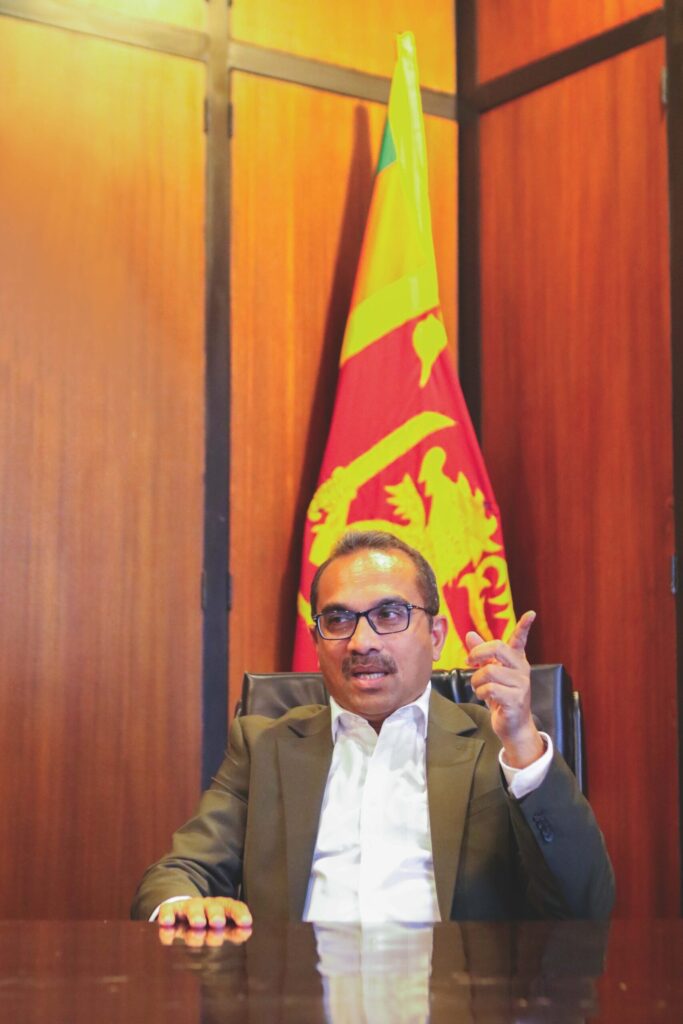
What can you tell us about the planned multimodal transport centers?
We are placing strong emphasis on the development of multimodal transport centers, as one of the major weaknesses of Sri Lanka’s current transport system is its fragmented nature. Today, different modes of transport operate in isolation. Take Fort as an example: the SLTB bus terminal is located in one area, private bus stands operate from multiple locations, the railway station functions separately, and taxis are scattered around the precinct. This lack of integration creates inefficiency, inconvenience, and unnecessary congestion for commuters.
Our objective is to move away from this disjointed model and establish integrated multimodal hubs where rail, bus services, taxis, and park-and-ride facilities operate seamlessly within a single transport ecosystem. Such centers will allow commuters to easily shift between transport modes, improving both accessibility and the travel experience.
Makumbura already offers a partial demonstration of this concept, and we intend to build on that foundation. We have identified 25 strategic locations across the country with the potential to be developed into fully-fledged multimodal transport centers, forming a critical pillar of Sri Lanka’s future urban and intercity mobility network.
Road safety remains a critical issue. What specific reforms are being implemented to enhance safety across public and private transport?
Road safety remains one of our most pressing national concerns. In response, the Cabinet has approved a comprehensive Road Safety Action Plan to be implemented in phases from 2025 through 2026. A key feature of this initiative is a collaborative approach. We have established a strategic road safety task force that includes active participation from the private sector, recognizing that sustainable improvements require shared responsibility. As part of the reform program, long-distance buses will be required to introduce digital seat management systems, ensuring greater order, accountability, and passenger protection.
In parallel, we are deploying AI-enabled monitoring software to track driver behavior — including fatigue levels — which is critical to preventing accidents and improving overall road discipline. In addition, this AI-based Fleet Management System has already been piloted successfully across several long-distance buses operated by the Sri Lanka Transport Board. Vehicle standards also form a central pillar of the safety agenda. Upgraded bus specifications will be enforced to prevent the conversion of cargo vehicles into passenger buses, a practice that has significantly compromised safety over the years. In addition, new seat belt regulations are being introduced as part of a broader effort to strengthen passenger protection across both public and private transport services.
We are also investing four billion rupees to enhance infrastructure and improve road safety. For instance, in mountainous and high-risk areas, we have been introducing guardrails at dangerous bends, convex mirrors, soil bunds, and improved signage that reflects the actual curvature of roads, similar to Google Maps visuals.
In 2025, we executed the largest debt repayment in the nation’s history and successfully attracted new foreign direct investment. And this year has marked the largest-ever balance in the state’s current account in post-independence Sri Lanka.
Your ministry has been involved in a collaborative effort to make public transport safer for women. What prompted this initiative? What progress has been made, and why do you believe this issue deserves focused national attention? Ensuring the safety of women in public transport is a deeply serious issue, and I must be candid in saying that we have not yet achieved the progress we would like. However, this remains an area to which we are committing sustained and focused effort.
Our approach is grounded in the idea of collective responsibility and social solidarity. In most cases of harassment, there are witnesses. The challenge is that our social culture does not yet encourage people to intervene or speak up in defense of the victim. Creating an environment where bystanders act responsibly — not confrontationally, but firmly — is central to addressing this problem. At present, several systemic weaknesses complicate the situation. In some cases, drivers and conductors exercise disproportionate authority within buses, discouraging passengers from raising concerns. When incidents do occur, justice is often delayed or denied due to limitations in enforcement mechanisms within both the Police and transport regulatory bodies.
As an initial step, we have introduced a dedicated WhatsApp reporting number displayed inside buses, enabling passengers to report incidents of sexual harassment, reckless driving, or service-related misconduct, such as refusal to return the balance. This provides a direct channel for accountability. However, we are acutely aware that many victims hesitate to report harassment, not out of indifference, but due to fear of public exposure — particularly the risk of incidents being recorded and circulated on social media, which can further traumatize those affected. To address this, we are focusing on building passenger solidarity rather than confrontation. We are in the process of establishing passenger committees and have already formed approximately 50 such groups. These committees are being trained to respond responsibly, support victims, and intervene in a calm and lawful manner when incidents occur.
It is also important to dispel the misconception that harassment is purely a consequence of overcrowding. Sadly, such incidents occur even in near-empty buses. This confirms that the issue is not solely logistical but cultural, and that culture can only be changed through sustained awareness, collective accountability, and behavioral transformation.
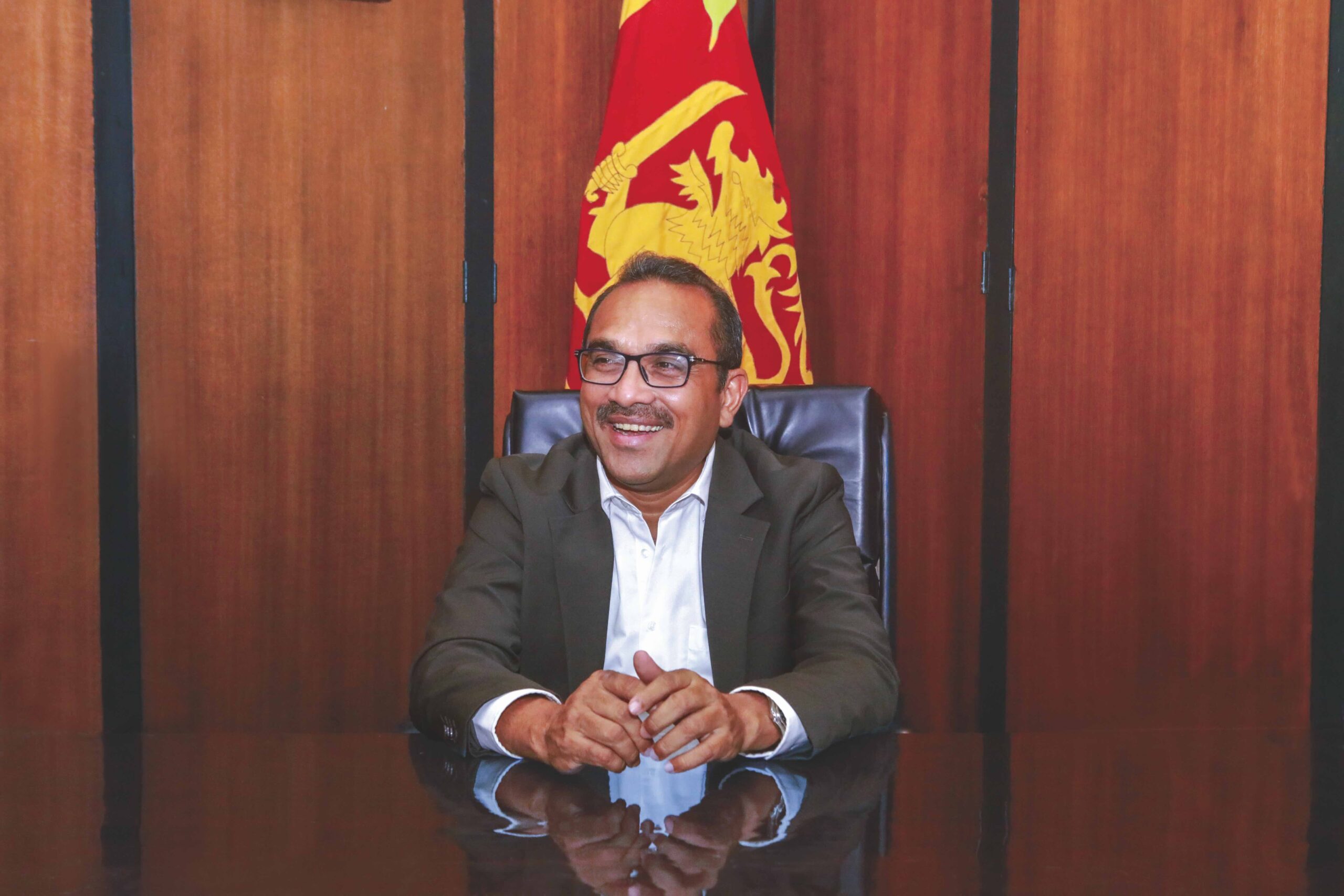
The Urban Development Authority plays a central role in shaping Sri Lanka’s cities. Do you believe the UDA’s mandate needs strengthening to meet present-day urban challenges?
The Urban Development Authority already possesses a comprehensive and adequate mandate. The core issue is not one of authority, but of delivery and direction. Over the years, the UDA’s focus has remained disproportionately centered on Colombo, and even within Colombo, largely on its more affluent neighborhoods. This explains the proliferation of large-scale developments in areas such as Colombo 3, 4, 5, and 7. In contrast, the experience of low-income communities has been markedly different — and deeply concerning.
Today, nearly 100,000 people live in approximately 70 high-rise housing complexes developed by the UDA. Many of these developments lack even the most basic elements of livability. There is little or no landscaping, virtually no green cover, and no essential amenities, such as convenience stores at ground level. In some buildings housing close to 4,000 residents, there is not a single retail outlet to meet daily needs. Open spaces are minimal, walkways are scarce, and there are few areas where residents can rest, interact, or build a sense of community.
These developments have resulted in structures that provide shelter but fail to create homes. The design itself is so flawed that transforming these spaces into dignified living environments has become extremely difficult.
At an institutional level, the UDA has operated through a rigid, top-down approach, with limited community engagement. The emphasis has been on aesthetic beautification of select urban pockets, while large sections of the city have been neglected. As a result, even residents of Colombo’s more affluent areas ultimately bear the consequences, as they must traverse neglected neighborhoods in their daily lives. A city cannot thrive when development is uneven and exclusionary.
This points to a deeper ideological challenge. The UDA has not evolved into a people-centric institution. Its planning frameworks have largely been oriented toward serving elite interests and tourists, rather than the everyday needs of city dwellers. During a recent review of the urban development plan for Matara, I observed that the design was primarily focused on tourism. While tourism is important, no city in the world is built first for visitors. Urban development must begin with the needs of its residents. Tourist-centric developments, such as Singapore’s Sentosa Island, are purpose-built exceptions — not models for entire cities. Planned urban development has also been uneven across the country. Many towns have never even been formally designated for development. Critical components such as transport integration have frequently been overlooked, resulting in dysfunctional urban layouts. In several city centers, structures that do not belong in urban cores — such as large warehouses — continue to operate, despite clear precedents like the relocation of the Manning Market demonstrating that such transitions are possible. Across Sri Lanka, many cities resemble “abandoned children.” Wetlands have been encroached upon, residential zones have expanded without planning, and essential public infrastructure has failed to keep pace. Take Kaduwela, for instance — a rapidly growing residential area with limited access to well-equipped schools. As a result, parents are compelled to send their children to Colombo, further straining transport networks and worsening urban congestion.
Had our cities been developed through integrated, long-term planning, these challenges could have been avoided. Urban development must be holistic — incorporating housing, education, transport, public spaces, environmental protection, and community life. Without this foundation, cities cannot become truly livable, inclusive, or sustainable.
Why is it so?
This situation stems largely from the absence of a truly people-centric urban development policy. That vacuum has allowed unplanned and often unscrupulous development to take root. The Urban Development Authority controls a significant portion of urban land across the country — an asset of immense national value. Unfortunately, over time, this authority has been misused. Successive political administrations have treated urban land as a tool for patronage, distributing it among associates, political supporters, and, in some cases, themselves.
When public land is managed without transparency or a long-term vision, development inevitably becomes distorted. Instead of serving the broader public interest, urban spaces begin to reflect narrow political and private priorities — at the expense of livability, equity, and sustainable city planning.
What significant issues do you see have been simmering for a while that the UDA could address, and what is the government hoping to do about them?
One immediate concern is the absence of planned taxi parks. At present, drivers occupy small vacant plots or roadside corners, contributing to congestion and inconvenience for both pedestrians and motorists. In an era dominated by app-based mobility services, this approach is no longer viable. Cities require properly designated taxi parks equipped with basic amenities such as restrooms. Many of the informal parking spaces could be transformed into more functional and visually appealing public areas. Residential neighborhoods, in particular, are not suited for such activity. Even spaces beneath expressway bridges, for example, could be reimagined as green zones — initiatives that could have been implemented through thoughtful urban planning.
Unfortunately, much of past planning has been driven by investor convenience rather than public need. Ironically, despite this orientation, many cities have remained neglected, with limited investor participation. We have also identified serious irregularities in land allocation, including corrupt practices that have resulted in substantial revenue losses. At the same time, we have identified strategic properties — such as the Bogambara Prison in Kandy and the Otters Club premises in Colombo — that can be responsibly offered for investment under transparent frameworks. Another pressing issue is the unchecked proliferation of high-rise developments, particularly in Colombo. We are not opposed to vertical development. The concern is the lack of adequate planning to support the traffic volumes these buildings generate. In some instances, apartment complexes with hundreds of units are accessed by roads barely ten feet wide. Traffic impact assessments are often conducted by the same companies undertaking construction, which raises serious questions about objectivity.
Despite commanding premium prices, many of these developments fail to provide sufficient parking or supporting infrastructure. Condominium development has become a lucrative business, sometimes facilitated by local authorities approving projects in unsuitable locations.
A troubling trend has also emerged, in which developers acquire multiple adjoining houses to create large plots for apartment construction. These projects frequently fail because broader residential planning considerations are ignored. Over time, residents experience structural defects such as leaks and cracks, yet accountability remains weak. While the Condominium Management Authority is staffed by professionals, it lacks the legal and institutional capacity to effectively challenge large real estate firms with significant financial and legal resources. Affordability presents another major challenge. Colombo has become prohibitively expensive, forcing many professionals and skilled workers to relocate to the suburbs while continuing to commute into the city. This pattern exacerbates congestion and undermines urban efficiency.
In many European cities, public housing is deliberately integrated into urban centers, with units priced across income levels — allowing everyone from service workers to engineers to live within the city. Such diversity is essential to a city’s functioning. In Sri Lanka, however, increasing segregation is pushing essential workers out of Colombo. This is why we must move toward a public housing policy that enables middle-income families to live within the city. While this will be a complex and long-term undertaking, without it, investments in roads or public transport alone will not deliver meaningful change.
The President has already allocated funds to upgrade ten major cities, and we are currently preparing urban development plans for 25 towns under a partial development framework. Many of these towns are highly vulnerable to storm water flooding, and we intend to draw on the Land Development Corporation’s technical expertise to develop sustainable solutions.
Our broader objective is to create cities that are inclusive, functional, and less socially segregated. In parallel, we are also addressing long-standing administrative inefficiencies. From 31 January, online payment facilities will be introduced for residential and commercial rents, eliminating the need for the public to physically visit the UDA for routine transactions. This is part of our wider push to modernize service delivery and improve citizen convenience.
How is the UDA currently reviewing its approval mechanisms to prevent political influence, corruption, or procedural shortcuts, and what are the challenges in pursuing a fresh agenda?
The challenges facing the UDA’s approval mechanisms extend beyond procedural gaps; they are deeply rooted in years of political interference that have weakened institutional discipline and accountability. Historically, technical recommendations from agencies such as the National Building Research Organization (NBRO) were not consistently integrated into UDA approvals. Going forward, NBRO clearance will form an essential component of the approval process, particularly in areas vulnerable to environmental and structural risk.
Recent incidents have highlighted the scale of the problem. Numerous constructions deemed illegal nonetheless obtained electricity and water connections — a clear indication that political patronage and administrative collusion played a role. In many cases, such developments were facilitated by politicians in exchange for electoral support. During election cycles, regulatory enforcement has often been relaxed. Informal settlers are allowed to remain, and unauthorized houses and shops emerge with tacit political approval. This has contributed to widespread irregular development and significant loss of public trust. One example of how political promises can destabilize structured systems relates to housing under the UDA. Previously, residents in UDA-developed housing schemes paid monthly rentals, creating a clear and transparent pathway toward eventual ownership. However, during the last presidential campaign, a commitment was made to distribute deeds without requiring continued rental payments. While the intention may have been populist, the outcome has been damaging — particularly for those residents who had consistently honored their obligations. The uncertainty created has undermined both fairness and institutional credibility. As a result of persistent interference, the approval system has become increasingly fragmented. Even dedicated officials often lose momentum, as carefully prepared plans are frequently stalled or overturned. Over time, this discourages initiative and weakens institutional morale.
Another challenge lies in poor inter-agency coordination. Too often, complex urban development issues are addressed through formal correspondence rather than meaningful engagement. Urban planning cannot be executed through letters alone; it requires dialogue, collaboration, and on-the-ground problem-solving. When coordination fails, delays multiply, and issues remain unresolved. That said, there have been some improvements. The UDA’s one-stop shop has enhanced efficiency, particularly for business-related approvals. However, for the general public, navigating the system remains difficult, largely due to lingering structural disorganization.
Our focus now is on restoring order, transparency, and professionalism — insulating planning decisions from political pressure, strengthening technical oversight, and rebuilding confidence in the approval process so that urban development serves the public interest rather than short-term political agendas.
Sri Lanka often faces tension between rapid development and regulatory compliance. How can urban planning be made more predictable and consistent so that both citizens and investors understand the rules clearly?
This challenge ultimately stems from the absence of consistency in our planning framework. In many instances, we do not have clearly defined policies. In others, what is implemented in practice deviates from stated policy.
Even when policies do exist, continuity is often lacking. Equally significant is the absence of comprehensive master plans. Major infrastructure projects — such as road development — frequently face prolonged delays, particularly due to lengthy land-acquisition processes. By the time construction begins, new complications often emerge, requiring additional rounds of negotiation and redesign. This combination of fragmented planning, weak policy continuity, and the lack of long-term vision creates uncertainty for both investors and the public. Investors are discouraged by unpredictability, while ordinary citizens are frequently inconvenienced — and sometimes unfairly burdened — by repeated disruptions.
In certain cases, homes have been partially demolished more than once due to poorly sequenced road expansions, a situation that should never occur under a properly planned system. Our objective is to move away from ad hoc decision-making and toward structured, long-term urban planning. We intend to develop integrated master plans for towns with clearly defined two, five, and ten-year horizons. These plans will provide clarity on land use, infrastructure development, and growth corridors, allowing citizens and investors alike to understand the rules in advance.
As Leader of the House, my role is to ensure a disciplined Parliament while bridging the executive and legislative branches. We have organized parliamentary business efficiently, scheduling key matters early in the day and facilitating necessary interactions with the opposition.
You are the Leader of the House. With a Parliament made up largely of first-time legislators, how is the government ensuring institutional learning, discipline, and effective lawmaking while preserving the freshness this new group brings?
One of our greatest assets in this Parliament is the infusion of fresh talent. At least 150 members are serving their first term, and they bring a commitment free of the entrenched lethargy, corruption, or anti-people attitudes that have sometimes plagued governance in the past. Their curiosity and enthusiasm are evident — attendance at committee meetings is high, and they actively engage with Parliament’s work. For instance, the number of petitions addressed through the Public Complaints Committee in just a few months has already surpassed what would traditionally have been handled over an entire five-year period.
It is also encouraging to see greater female representation, with the NPP contributing 19 new women MPs. These legislators came to Parliament with a clear mandate and a desire to effect positive change, and they expect their efforts to make a tangible difference in society. The early months were a period of adjustment. Many of these first-time MPs were initially taken aback by the intensity and experience of some opposition members — including those who have long-standing political influence or inherited positions — who mounted aggressive scrutiny and, at times, personal attacks. While these encounters were challenging, they have also accelerated the professional growth and resilience of the new members.
We are actively grooming this cohort into a cohesive, effective team. While not every member may be vocally active on the parliamentary floor, many demonstrate deep commitment through their constituency work — a commitment evident in their responses and dedication during crises such as Cyclone Ditwah. In short, we are striking a balance between preserving the fresh energy, enthusiasm, and clean track record of these new legislators, while instilling the discipline, institutional knowledge, and collaborative approach required for effective lawmaking and governance.
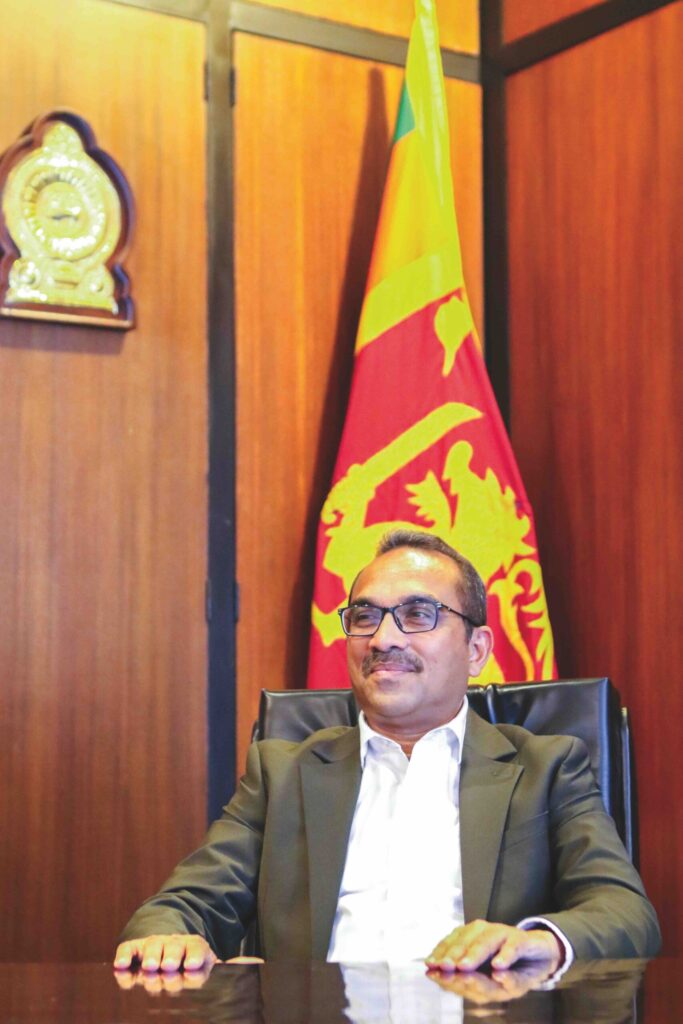
What has been the biggest challenge in managing parliamentary affairs during a period of economic recovery and institutional reform?
The public has entrusted us with a significant mandate, and we face an opposition that is small, inconsistent, and often more focused on social media performance than substantive legislative work. Over the last year, I have observed a steady decline in the quality of the opposition’s parliamentary debate, with only a few members striving to contribute meaningfully, but often constrained by the outdated politics of their parties. In that context, managing parliamentary affairs has not been our greatest challenge.
Our primary focus has been on restoring stability to a country that had suffered economic, political, and social turbulence. Some critics’ question why, with a two-thirds majority, we are not pursuing radical measures. The answer is simple: our mandate is to govern Sri Lanka effectively, and effective governance requires stability.
On the economic front, we have laid the foundation for recovery. This is evident in a revitalized stock market, robust export growth, and increasing remittances. In 2025, we executed the largest debt repayment in the nation’s history and successfully attracted new foreign direct investment. And this year has marked the largest-ever balance in the state’s current account in post-independence Sri Lanka. Politically, we have strengthened democratic norms. The three elections conducted under our leadership were peaceful, free from state resource misuse, and reflected a new political culture. Socially, we have worked to curb racism and reduce underworld activity, leading to fewer killings and stronger public safety. Efforts to combat drugs continue, while improved social stability has positively influenced tourism and domestic travel.
As Leader of the House, my role is to ensure a disciplined Parliament while bridging the executive and legislative branches. We have organized parliamentary business efficiently, scheduling key matters early in the day and facilitating necessary interactions with the opposition. While a few opposition members sometimes engage in unparliamentary behavior, we remain committed to setting a higher standard — acting honorably, respectfully, and inclusively, even toward critics. We have also instituted fiscal discipline within Parliament. Expenditures for the Leader of the House, the Speaker, and the Government Whip have been significantly reduced. To give perspective, the expenses of the Leader of the Opposition alone were higher than the combined costs of the Department of Leader of the House and the Department of Chief Government Whip under our stewardship. Additionally, a portion of the Speaker’s residence has been allocated to a parliamentary research institute, marking a shift toward a more professional and knowledge-driven culture. Importantly, the Speaker has refrained from nepotistic practices that were common in the past, further reinforcing institutional integrity.
You were entrusted with leading the NPP’s Northern Province in the presidential and general election campaign, a region historically resistant to southern political movements. Many political parties have struggled to build trust in post-war Northern communities. What was your first priority when you began planning the campaign for the North?
We did not launch a special campaign for the Northern Province in the last parliamentary election. My appointment as the party’s Northern Province coordinator came after 2015, and our approach was rooted in principles rather than propaganda.
Our first priority was to demonstrate to the people of the North that we treat everyone equally, regardless of race or religion. We conveyed this not through rhetoric, but through tangible actions that reflected our belief that Sri Lanka belongs to all its citizens. Second, we empowered local leadership. Today, the party has 150 municipal councilors in the North — leaders who have been raised from their own communities, understanding the issues and aspirations of the people they represent. Third, we took a firm stance against racism and discrimination, advocating for land rights and justice for families affected by disappearances during the conflict. We engaged respectfully with all religious leaders, demonstrating that every faith and community is valued.
Ultimately, our strategy was about building trust through consistent, genuine engagement. We did not rely on slogans or special campaigns; we focused on actions that showed respect, addressed grievances, and upheld equality. It was this sincerity that allowed the Northern people to rally behind us.
What did you identify as the key concerns of Northern voters during your initial engagements on the ground?
The primary concerns of Northern voters, based on our initial engagements, were respect, recognition, and development. While Jaffna city itself is relatively better off, benefiting from migration and support from relatives abroad, the districts beyond Jaffna were deeply affected by the war. Many families are still rebuilding their lives, and it has become clear that consistent, equitable support is essential to bring these areas on par with the rest of the country. Our approach has been to implement development projects grounded in social solidarity and justice, ensuring that reconstruction addresses both material needs and community empowerment. Equally important is acknowledging and respecting the distinct culture of the North. For instance, President Anura Kumara Dissanayake’s visit to celebrate Thai Pongal was symbolic — a gesture that affirmed the inclusion of Northern communities within the broader Sri Lankan identity.
We focused on sincerity and consistent engagement rather than grandiose gestures. It is this genuine approach that has fostered trust and growing support for the NPP among Tamils and Muslims in the Northern Province. People value actions that reflect recognition, respect, and commitment, and that has translated into increased confidence in our leadership.
The NPP’s victory in the Northern Province is unprecedented. What do you believe ultimately convinced Northern voters to place their trust in the NPP?
Trust was the decisive factor. In the lead-up to the presidential election, our message did not reach Northern voters as widely as those of other campaigns, in part because of our smaller scale and a language barrier. Established Tamil parties in the region largely supported other candidates, yet the Northern electorate still chose to back us. This reflects their deep frustration with the traditional Tamil political leadership and a desire for genuine, principled representation.
The people of the North have spent three to four decades engaged in liberation politics, often experiencing betrayal when leaders failed to act with integrity or uphold their promises. In contrast, they saw in the NPP a leadership that lived up to its word, conducted itself with transparency, and remained true to its principles.
Our roots in a liberation political movement may have also resonated with them, reinforcing a sense of shared values. Even as the old Tamil parties employed racially charged rhetoric to counter our rising popularity, Northern voters continued to place their confidence in us — in both parliamentary and local government elections. This was a historic moment: the North, long alienated, united with the rest of the country. I often reflect on the parable of the Prodigal Son: the celebration is not for those who never strayed, but for the one who was lost and has now returned. The North had been distant for a long time, and their decision to embrace the nation anew deserves recognition and a commitment to extend special attention and care as we nurture this historic new beginning.
What responsibility now rests on the NPP, having received such a strong mandate from the rest of the country?
Having received such a strong mandate, the NPP carries the immense responsibility of rebuilding the country. One of the most urgent tasks is addressing the devastation caused by Cyclone Ditwah, with damages estimated to equal the entire 2026 national budget. Rebuilding lives and infrastructure within the next two years is therefore our top priority.
Our strength lies in the unity of the people, supported not only by our own MPs but also, broadly, by members of the opposition and the diaspora. We are also focused on reviving long-stalled mega projects that have set the country back by decades. For instance, construction of the Central Expressway and many other mega development projects will commence in the coming months, marking a significant step toward reconnecting regions and accelerating development. Alongside infrastructure, social reforms remain a key priority.
On the economic front, we aim to increase growth from five to seven percent by 2028 through a combination of local and foreign investment, with digitization playing a transformative role in improving citizens’ lives. Party unity is another cornerstone of our mandate. When the opposition sought to challenge Prime Minister Harini Amarasuriya with a no-confidence motion, we demonstrated unwavering solidarity, defending her against attacks that were, in part, driven by gender bias. This reflects our commitment to discipline, accountability, and principled governance — ensuring that every member acts responsibly and that the party remains a cohesive, forward-looking force.
Finally, who is Bimal Rathnayake?
I have a clear vision for Sri Lanka and where it should be in the future, and I strive to remain true to my words and principles in everything I do. I am constantly looking for solutions — not always grand, but meaningful — and I value teamwork in pursuing them. I thrive in a collective leadership environment. I know how to harness the unique synergy of a team, blending individual strengths and insights to ensure we achieve our targets more effectively together.
Outside of my public duties, I enjoy watching movies, listening to music, and reading books. Like anyone else, I cherish time with my family and friends and make a point of balancing work with my personal life. What gives me the deepest satisfaction is working for a genuine cause, knowing that my efforts contribute to something larger than myself. I am proud to have lived by the principles of respect and equality throughout my life. I have never been a racist, nor have I ever mistreated a woman because of her gender. Integrity, fairness, and dedication are values I carry into both my professional and personal life.