
John Keells Holdings (JKH) has emerged as a key corporate driver of renewed momentum, delivering strong year‑on‑year growth in revenue and EBITDA during 2025/26. With broad‑based contributions across Retail, Leisure, Transportation, and Consumer Foods, the Group’s performance reflects not only cyclical recovery, but the strategic execution of long‑term, large‑scale investments. JKH is now entering a phase focused on realizing value from transformative projects such as City of Dreams Sri Lanka and the West Container Terminal (WCT‑1) at the Port of Colombo. These landmark developments, alongside the continued strength of the New Energy Vehicle (NEV) business and resilient growth in supermarkets and consumer manufacturing through Ceylon Cold Stores, position the Group at the forefront of Sri Lanka’s next phase of economic transformation.
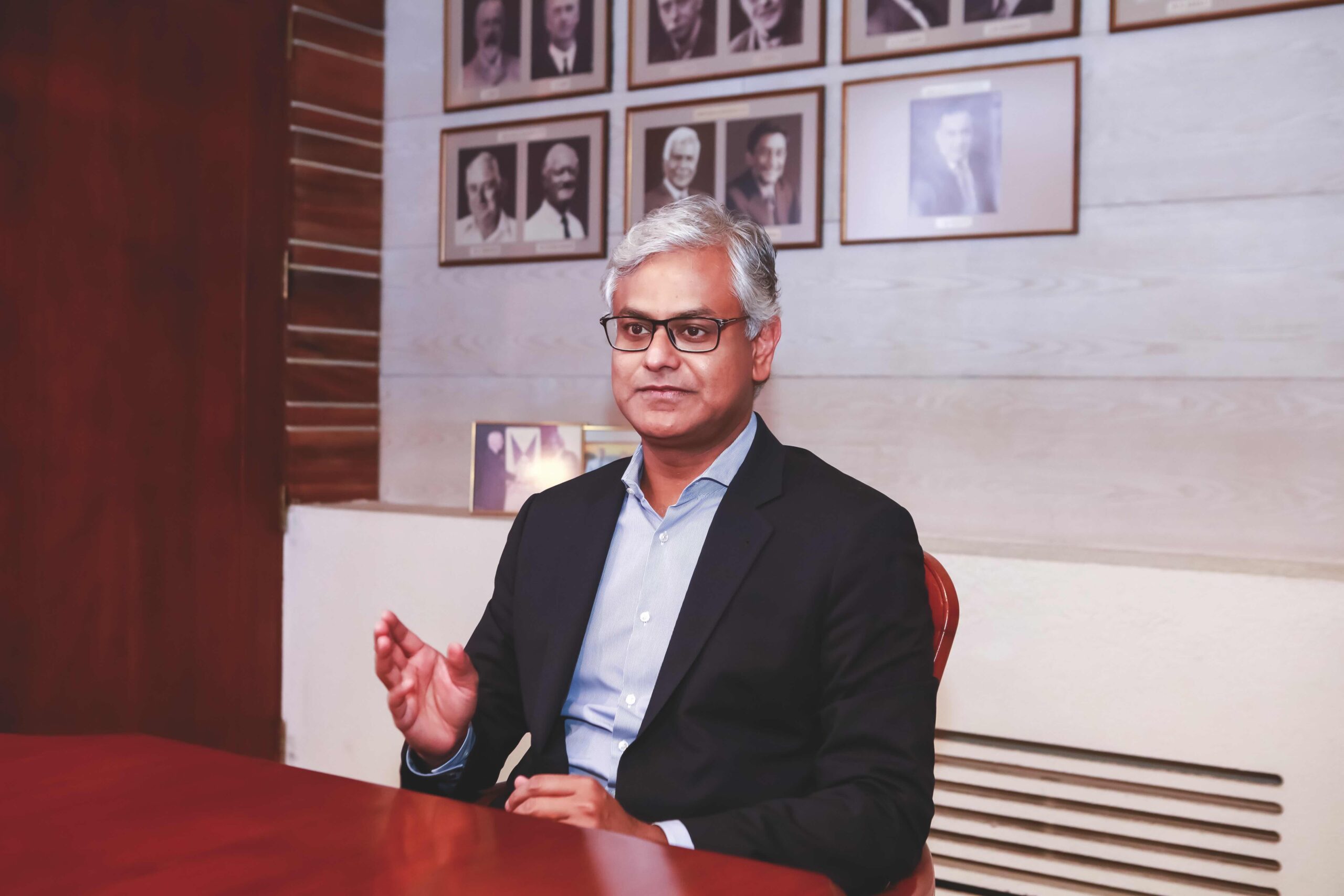
Speaking with Business Today, Krishan Balendra, Chairperson, JKH, reflects on the drivers behind the Group’s performance, the sustainability of momentum in key sectors such as retail and mobility, the strategic importance of integrated tourism and port infrastructure, and how JKH is leveraging its scale, governance structure, and young leadership talent to create long‑ term shareholder value. He also outlines how the Group’s investments are designed not merely to deliver corporate returns, but to strengthen Sri Lanka’s competitiveness in tourism, logistics, and regional trade — particularly in the context of India’s continued economic expansion.
Words: Jennifer Paldano Goonewardane.
Photography: Sujith Heenatigala and Dinesh Fernando.
John Keells Holdings delivered strong growth in 2025/26 so far, with EBITDA and revenue expanding significantly year-on-year. What were the key drivers of this performance across the Group’s operations?
The Group has sustained strong momentum in both revenue and EBITDA, supported by broad‑based performance across the portfolio. Key contributors included the continued strength of the New Energy Vehicle (NEV) business, a recovery in the Group’s Leisure business, and the progressive ramp‑up of operations at City of Dreams Sri Lanka and the West Container Terminal (WCT‑1) at the Port of Colombo. This performance has been further underpinned by the broader macroeconomic recovery, with most industry groups contributing positively.
Within the Retail industry group, the NEV segment has continued to perform strongly, driven by the number of vehicles sold and the positive outlook on account of a healthy order book, while the Supermarket business has recorded notable growth in footfall.
At City of Dreams Sri Lanka, performance has improved quarter on quarter, with the integrated development beginning to deliver results, reflected in the positive EBITDA recorded in the most recent quarter. As tourism continues to rebound in Sri Lanka, the Leisure industry group overall has seen strong results across both resorts and city hotels.
In the Transportation industry group, the Bunkering and Ports businesses have both delivered strong performances, with the Colombo West Container Terminal exceeding operational expectations within its first year. Our other businesses also demonstrated strong growth driven by encouraging demand and a continued improvement in consumer sentiment.
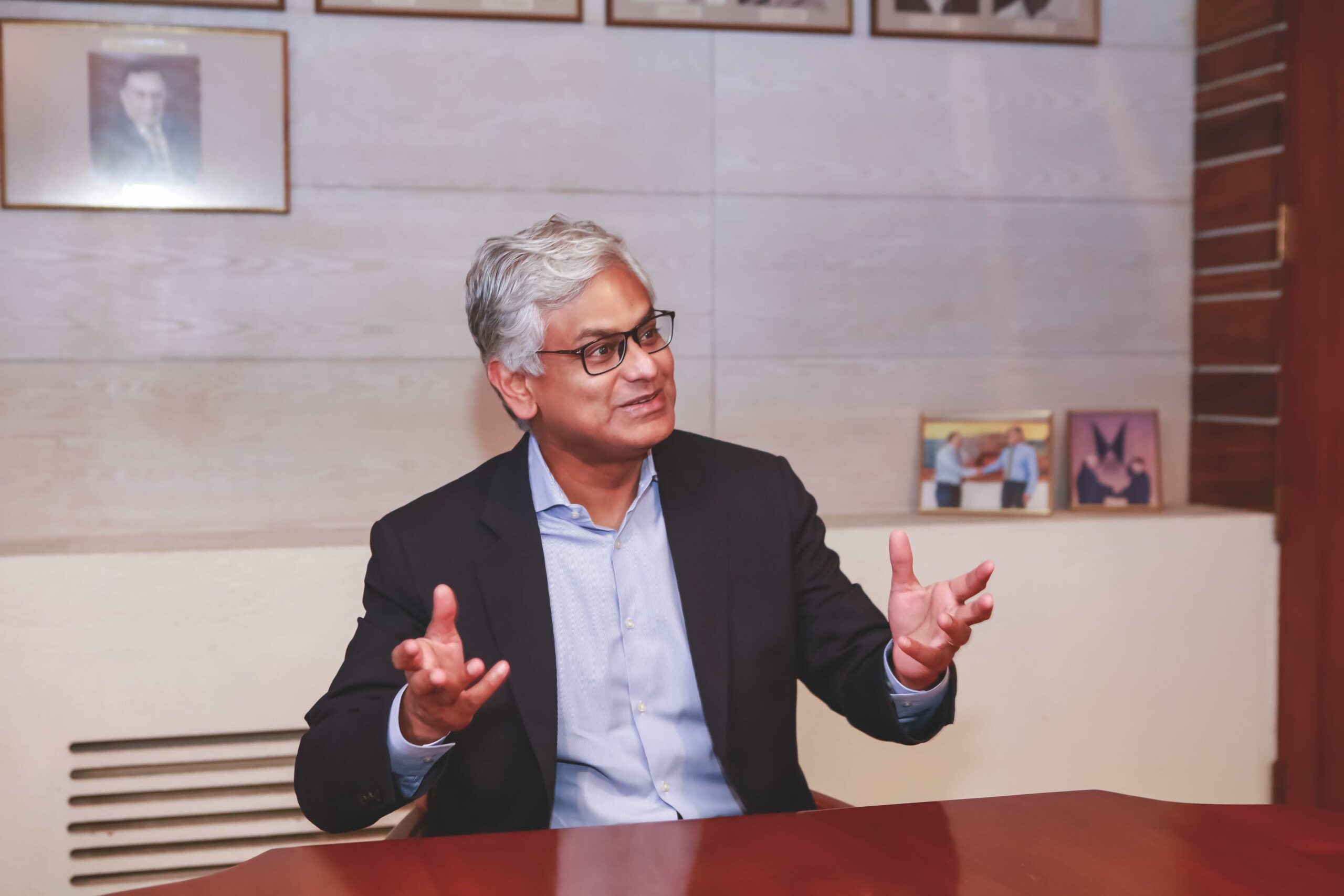
Retail was a standout performer with exceptional momentum especially in the New Energy Vehicle business. How sustainable do you see this growth trajectory, and what investments are being prioritized to maintain it?
The NEV business recorded strong traction, supported by customer confidence in both the JKH and BYD brands and the portfolio of products offered by BYD which catered to multiple market segments and consumer needs. While the initial surge in demand was driven by pent‑up demand following nearly five years of import restrictions, we remain confident that electric and hybrid vehicles will command a significantly larger share of the market, as already witnessed.
We are now observing a gradual normalization in demand; however, although there is a moderation in demand, we continue to see a healthy order pipeline.
The business is also steadily expanding its vehicle portfolio across both electric and hybrid categories to serve a wide spectrum of customer segments, ranging from attractively priced entry‑level models to premium offerings such as Denza. We are also strengthening our nationwide infrastructure and showroom network, while leveraging our existing supermarket footprint to help build the broader ecosystem required to support long‑term NEV adoption. Apart from the business impact this creates, we also strongly believe in the positive impact the NEVs will have on creating sustainable mobility in the country which will help drive economic productivity and improve our environmental footprint.
Supermarket business also recorded strong growth in performance, driven by increases in same‑store sales and higher footfall. The business continues to expand its outlet network, alongside various initiatives such as enhancements to the fresh category, improvements to the prepared food offering, and improved product availability, to sustain growth momentum.
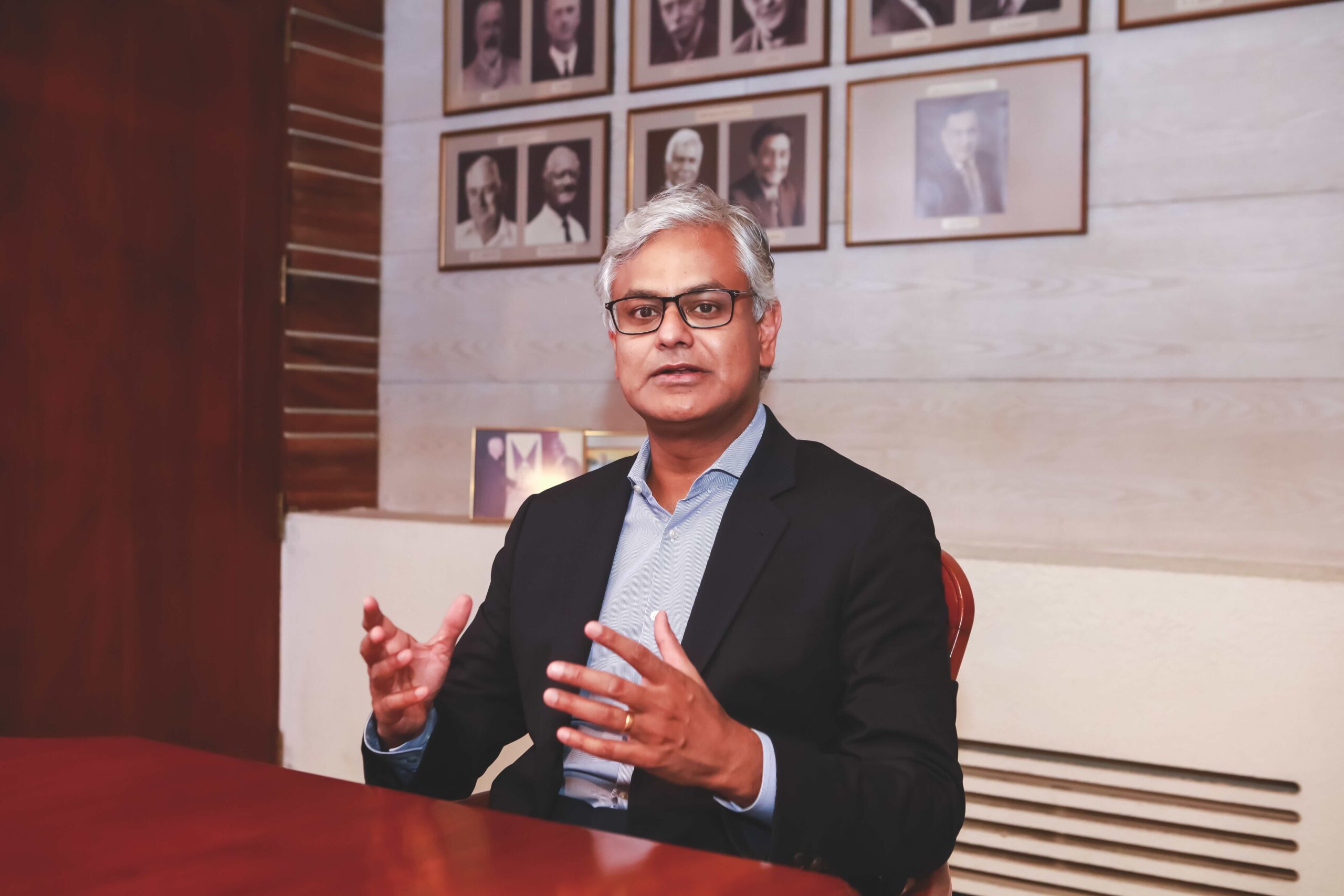
As the Group continues to deliver strong performance across segments, how central is the City of Dreams project to its long term growth strategy, and what broader opportunities do you see emerging within the leisure sector to further strengthen returns?
City of Dreams Sri Lanka is a cornerstone of our long-term growth strategy and represents a transformational investment for both John Keells Group and the country, and a significant contributor to the Group’s future earnings mix as the investment continues to scale its operations. With outbound travel from India seeing significant momentum, the integrated resort is well-positioned to capture this demand while enhancing Sri Lanka’s appeal as a premium destination. The distinctive conference and event venues at City of Dreams Sri Lanka are already attracting strong interest from both local and international organizers, especially for MICE events, with several global events now being drawn to Colombo specifically because of the development’s scale, capacity, and world‑class facilities.
As mentioned earlier, the business recorded positive EBITDA during the third quarter. While large scale investments of this nature may exert near term pressure through depreciation and financing costs, we believe transformational demand impact will help drive sustained earnings growth. Overall, we expect tourist arrivals in Sri Lanka to grow strongly, which aligns well with the outlook for our Leisure business.
We are now entering the phase where the focus shifts from development and commissioning to value realization and earnings optimization. As these projects scale operations and deepen market penetration, we expect them to make an increasingly meaningful contribution to the Group’s earnings mix.
What role does the Ports business play in strengthening the Group’s transportation arm, and how do you see its contribution evolving in the near to medium term?
The Ports business remains a cornerstone of the Group’s transportation segment and is central to strengthening its long‑term growth profile. It provides scale, recurring foreign currency earnings, and strong cash flow visibility — all of which enhance the resilience of the overall portfolio.
Over the near to medium term, we expect this business to play an even more strategic role as capacity expands and regional trade dynamics evolve.
Both South Asia Gateway Terminals (SAGT) and the West Container Terminal (WCT‑1) at the Port of Colombo are performing strongly and together create a complementary and balanced operating platform. WCT‑1, which commenced operations in April last year, has delivered an encouraging start.
Approximately 90 percent of its Phase One capacity is already utilized, underscoring the robustness of demand and validating the terminal’s long‑term strategic rationale. Construction of Phase Two is progressing well, with full completion expected within this calendar year, which will further enhance throughput capacity and earnings potential.
SAGT has continued to demonstrate steady performance, maintaining healthy volumes despite the addition of new capacity to the port ecosystem. Its operational stability, combined with the ramp‑up trajectory of WCT‑1, provides a diversified and balanced earnings stream for the transportation segment. This dual‑terminal structure strengthens competitiveness while mitigating concentration risk.
Sri Lanka’s strategic location along major East–West shipping lanes and its proximity to India position the Group advantageously to capture increasing regional transshipment flows. As India’s trade volumes expand and supply chains in South Asia deepen, the Ports business is well placed to benefit from these structural tailwinds. In that context, we see the segment not only sustaining near‑term earnings momentum but also serving as a powerful platform for medium‑term value creation and foreign exchange generation for the Group.
As the Group builds on its current momentum, what is your outlook for the short term as well as the medium term, and where do you see the strongest opportunities for growth and value creation?
Our short to medium‑term outlook remains strongly positive, supported by sustained momentum across our core businesses and the progressive ramp‑up of our recent transformative investments. Over the past several years, we committed significant capital to landmark projects such as City of Dreams Sri Lanka and the West Container Terminal (WCT‑1) at the Port of Colombo. We are now entering the phase where the focus shifts from development and commissioning to value realization and earnings optimization.
As these projects scale operations and deepen market penetration, we expect them to make an increasingly meaningful contribution to the Group’s earnings mix. At the same time, the rest of our portfolio will continue to pursue growth within existing and adjacent segments where demand fundamentals remain encouraging. This includes strengthening market share, enhancing operational efficiencies, and leveraging brand equity across our industry groups.
In essence, our priority is to ensure that earnings momentum accurately reflects the strategic investments made in recent years. We are focused on disciplined execution, operational excellence, and unlocking the full potential of our asset base to drive sustainable growth and long‑term value creation.
Ceylon Cold Stores has shown notable resilience and recovery in 2024/25, with double-digit revenue growth and improved profitability compared to the challenging post-crisis environment, including strong consumer-led demand in both supermarket and manufacturing segments. However, interim 2025 results have shown mixed trends with occasional margin pressures and quarter-on-quarter fluctuations, even as recent quarters in 2025/26 reported solid year-on-year profit increases. In light of this, how do you assess Ceylon Cold Stores’ overall performance across 2024/25 and into 2025/26, and what strategic priorities are you setting to sustain profitable growth, strengthen margins, and capitalize on evolving consumer trends and supply-chain excellence?
Ceylon Cold Stores has demonstrated notable resilience and recovery over the past two financial years, with strong volume growth and double‑digit revenue increases across both the supermarket and manufacturing segments. While the business has faced occasional volatility due to factors such as Cyclone Ditwah, related cold chain disruptions, and fluctuations in raw material prices, overall performance has remained positive.
Looking ahead, the Group’s strategic priorities for Ceylon Cold Stores focus on sustaining profitable growth, strengthening margins, and capitalising on evolving consumer trends. This includes expanding the product portfolio with upcoming launches in the extruder range and continuing to leverage low penetration levels in the beverage and confectionery segments relative to regional peers.
The supermarket business has witnessed strong performance, with profitability and margins improving, driven by significant footfall growth. The business’s customer‑centric initiatives, together with continued operational improvements, have driven customer satisfaction.
JKH operates as a professionally managed and truly independent organization,
guided by strong governance principles. The majority of its Board comprises independent, non‑executive directors, reinforcing objective oversight and strategic discipline.
City of Dreams Sri Lanka was conceptualized and begun before your time at the helm. By the time you assumed leadership of JKH, the project had already attracted significant attention, while also facing complex regulatory, financial, and macroeconomic challenges, all of which inevitably placed considerable strategic and executional responsibility on your leadership. Against this backdrop, how did you navigate the multi-layered challenges associated with delivering a project of this magnitude?
As you rightly point out, the integrated resort encountered a series of complex challenges — regulatory shifts, and unprecedented macroeconomic volatility — all of which tested the resilience and resolve of the Group. Delivering a project of this magnitude required not only financial commitment but also sustained leadership focus, stakeholder alignment, and disciplined execution.
What enabled us to navigate this multi‑layered environment was the collective strength of the organization. Our stakeholders, partners, financiers, and most importantly our people, demonstrated remarkable character, trust, and conviction throughout a highly uncertain period. Maintaining transparent communication, reinforcing governance standards, and preserving long‑term strategic clarity were critical in sustaining confidence during difficult phases.
The journey was certainly not without pressure, but the shared belief in the transformational potential of City of Dreams Sri Lanka kept the team aligned and motivated. The project represents more than a commercial development; it is a strategic platform designed to elevate Sri Lanka’s tourism and MICE positioning. Now that the integrated resort is operational, our focus has shifted decisively toward execution excellence and value realization. We have built a strong foundation, and the emphasis is on optimizing performance, scaling operations, and ensuring that the full potential of this landmark investment is translated into sustained earnings growth and long‑term impact.
In an era where innovation, agility, and digital transformation are increasingly driven by younger talent, how does working with a young team of leaders/executives contribute to JKH’s long-term competitiveness and growth trajectory?
JKH operates as a professionally managed and truly independent organization, guided by strong governance principles. The majority of its Board comprises independent, non-executive directors, reinforcing objective oversight and strategic discipline. The Group has consistently upheld a meritocratic culture, where recruitment, development, and career progression are determined by capability and performance rather than age or gender.
Equal opportunity and fairness are embedded across all employment practices, ensuring that talent is recognized and nurtured based on merit. This structural independence, combined with empowerment and a clear commitment to merit‑based advancement, is regarded as a fundamental driver of sustained performance, innovation, and long-term competitiveness.
By investing in world‑class port infrastructure and integrated tourism facilities, we are building the platforms required to support rising regional trade volumes, conference activity, and cross‑border travel.
JKH has historically played a catalytic role in Sri Lanka’s private sector development. How do you see the Group contributing to Sri Lanka’s next phase of economic transformation?
Sri Lanka stands at a pivotal moment in its economic journey, particularly given its strategic proximity to India — the world’s fastest‑growing large economy. We believe the country is uniquely positioned to benefit from this regional momentum, provided it has the right infrastructure and capacity to support increased trade, travel, and investment flows. With this long‑term perspective, JKH has undertaken two of the largest private sector investments in Sri Lanka’s history: City of Dreams Sri Lanka, the single largest private investment in the country, and the West Container Terminal (WCT‑1) at the Port of Colombo, representing an investment of approximately USD 800 million.
These landmark developments are not standalone commercial ventures; they are strategic enablers. The West Container Terminal strengthens Sri Lanka’s position as a regional transshipment hub, particularly in serving India‑bound and India‑origin cargo.
Meanwhile, City of Dreams Sri Lanka enhances the country’s appeal as a premium destination for corporate travel, MICE tourism, and high‑value leisure visitors.
By investing in world‑class port infrastructure and integrated tourism facilities, we are building the platforms required to support rising regional trade volumes, conference activity, and cross-border travel. We see these projects as long‑term catalysts for the ports, logistics, and tourism sectors — and, more broadly, as contributors to Sri Lanka’s next phase of economic transformation and global competitiveness.