
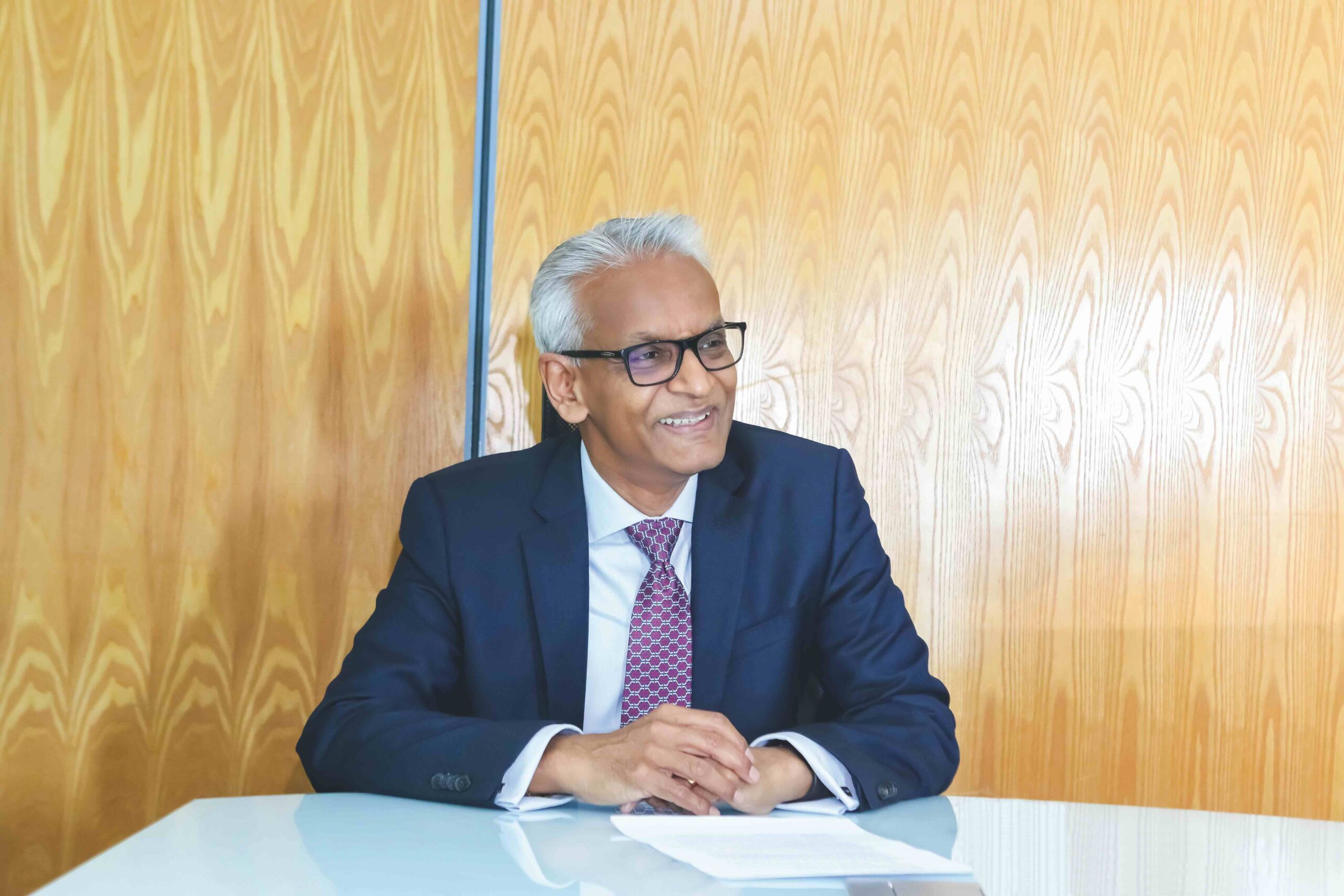
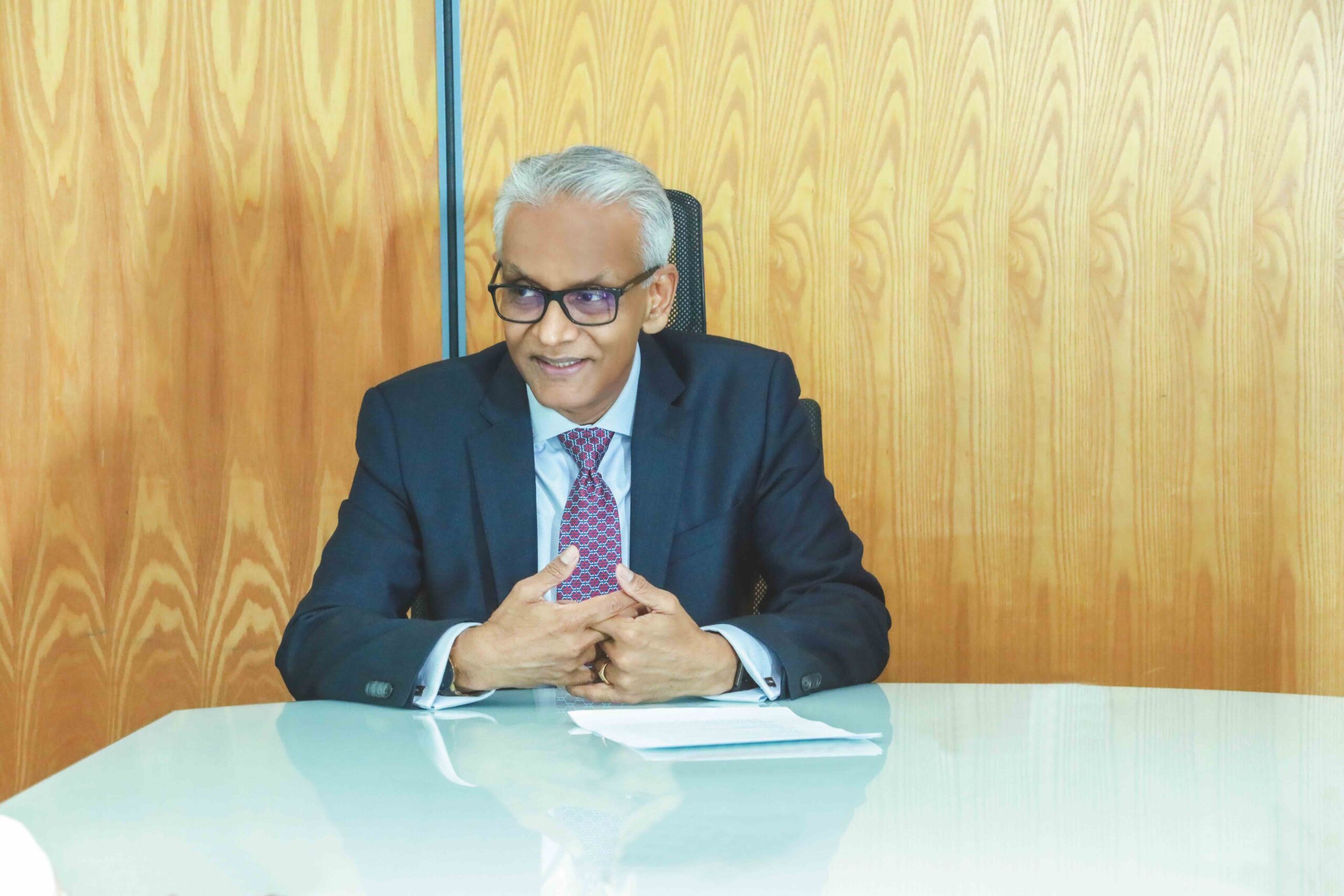
Suren Rajakarier, new Managing Partner of KPMG Sri Lanka and the Maldives, brings nearly four decades of experience in auditing, advisory, and leadership. Appointed a Partner at just 29, one of the youngest to be promoted, Suren is renowned for his commitment to integrity, quality, and disciplined leadership. He has overseen some of the most significant audit and advisory engagements at KPMG, including large-scale infrastructure due diligence projects. Building trust, fostering professional growth, and maintaining global standards are sacrosanct to Suren. Speaking with Business Today, Rajakarier shared broad views. His insights reveal a philosophy blending commercial ambition and professional stewardship, positioning KPMG to lead with credibility and excellence in a rapidly changing environment.
Words: Jennifer Paldano Goonewardane.
Photography: Sujith Heenatigala and Dinesh Fernando.
As you step into the role of Managing Partner, what are your immediate priorities for KPMG Sri Lanka and the Maldives?
My immediate priorities are to strengthen trust, uphold quality, and support our people and clients. Specifically, I am focused on protecting and enhancing audit quality and independence across the firm. These priorities are essential for building credibility and securing long-term confidence in our advisory work as well. We also focus on people. Investing in talent, developing skills, and supporting growth, paired with investing in technology, are crucial for maintaining high standards and delivering value. Our growth depends on clients’ success, so supporting them through challenging economic and regulatory conditions is a priority.
Given Sri Lanka’s economic context, we can leverage our position within the regional network. By building local capacity, we can better support regional work, particularly when mobility is limited. This strengthens our Sri Lankan practice and benefits the wider network, including meeting evolving needs in the Maldives.
The firm plays a key role in national resilience. By promoting governance, transparent financial reporting, and sustainable practices, we support economic recovery and growth. These priorities build on our ambition, with a renewed focus on delivering meaningful results across the practice.
How do you plan to build on your nearly four decades of experience within the firm to shape its next phase of growth?
I believe sustainable growth rests on trust and consistency. Success comes from doing what’s right, the right way. This aligns with our core value—excellence—which means delivering top quality, upheld by integrity.
I aim to build on the firm’s foundation: integrity, strong technical standards, and lasting client relationships. These have made us a leader and will remain central moving forward.
We must stay relevant in a fast-changing environment. A key priority is investing further in technology-enabled audits. Our cloud platforms allow teams to work across locations, ensuring continuity and maintaining quality during disruptions. This improves efficiency and better serves our clients globally.
Growth depends on stronger sector expertise and wider multidisciplinary solutions. As client needs shift toward areas such as cyber risk, AI, capital management, and digital transformation, we must deliver forward-looking solutions. Our track record in digital transformation, including in the public sector, is a strong foundation. Equally important is how we execute. I advocate a practical, action-driven approach. Instead of waiting for complete clarity or a ‘big bang,’ progress starts with early steps and adaptation. The 13th-century Persian poet and mystic Rumi said, “As you start to walk on the way, the way appears.” This philosophy pushes teams to act, adapt, and evolve—building momentum and managing risk with discipline.
Trust is our foundation. It is earned over time through consistent delivery, strong relationships, and a commitment to quality. By pairing this with a forward-looking, technology-driven mindset, I am confident we can achieve sustainable growth.
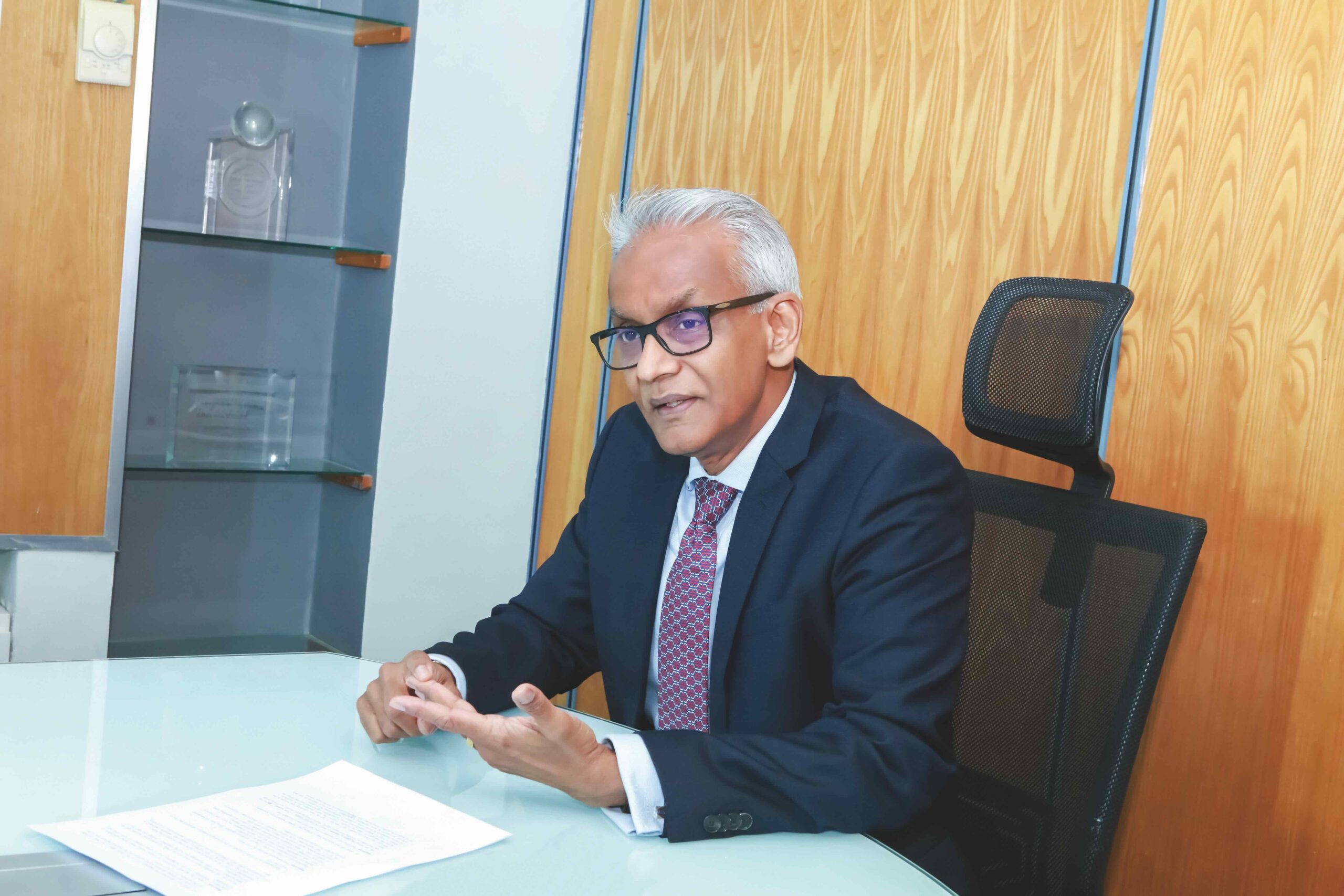
What leadership philosophy will define your tenure, particularly in balancing commercial success with professional integrity?
My leadership is guided by one principle: quality and integrity are essential, and long-term commercial success is built on trust and trust is earned when we consistently uphold high standards. This principle is the foundation on which we operate and there can be no compromise.
Ambition must be balanced with discipline. We will pursue growth carefully, deliberately choosing projects, resources, and standards. This ensures growth is meaningful and enduring. Values and aspirations mean little without discipline. High-performance culture is achieved through execution, alignment, accountability, and commitment to delivery. Discipline underpins achievement of excellence.
I view leadership as stewardship: It involves developing future leaders, encouraging constructive challenge, and ensuring the firm is stronger and more resilient after my tenure.
Given your involvement with regulators such as the Central Bank of Sri Lanka and Sri Lanka Accounting and Auditing Standards Monitoring Board, how do you see the regulatory environment evolving?
The regulatory environment in Sri Lanka and globally is moving toward stricter oversight. Regulators emphasize governance, transparency, and risk management, with audit quality and accountability gaining priority.
We see growth in areas like sustainability and ESG reporting, along with new International Financial Reporting Standards that require stronger processes and controls. Implementing IFRS 17 in Sri Lanka’s insurance sector will disrupt the sector, demanding better reporting, data, and actuarial models. Technology risk will face more oversight, especially on data integrity, financial model robustness, and digital systems in reporting. As complexity rises, demands on preparers and auditors grow.
Sri Lanka must build lasting confidence in financial reporting. Achieving this requires clear standards, robust supervision, and a regulatory approach that combines rigor and collaboration. Effective monitoring is key, ensuring compliance remains strong. The right balance between enforcement and support will help the market grow credibly.
Sri Lanka should aspire to world-class financial reporting aligned with international standards. Maintaining this alignment and robust oversight will boost investor confidence and aid economic progress.
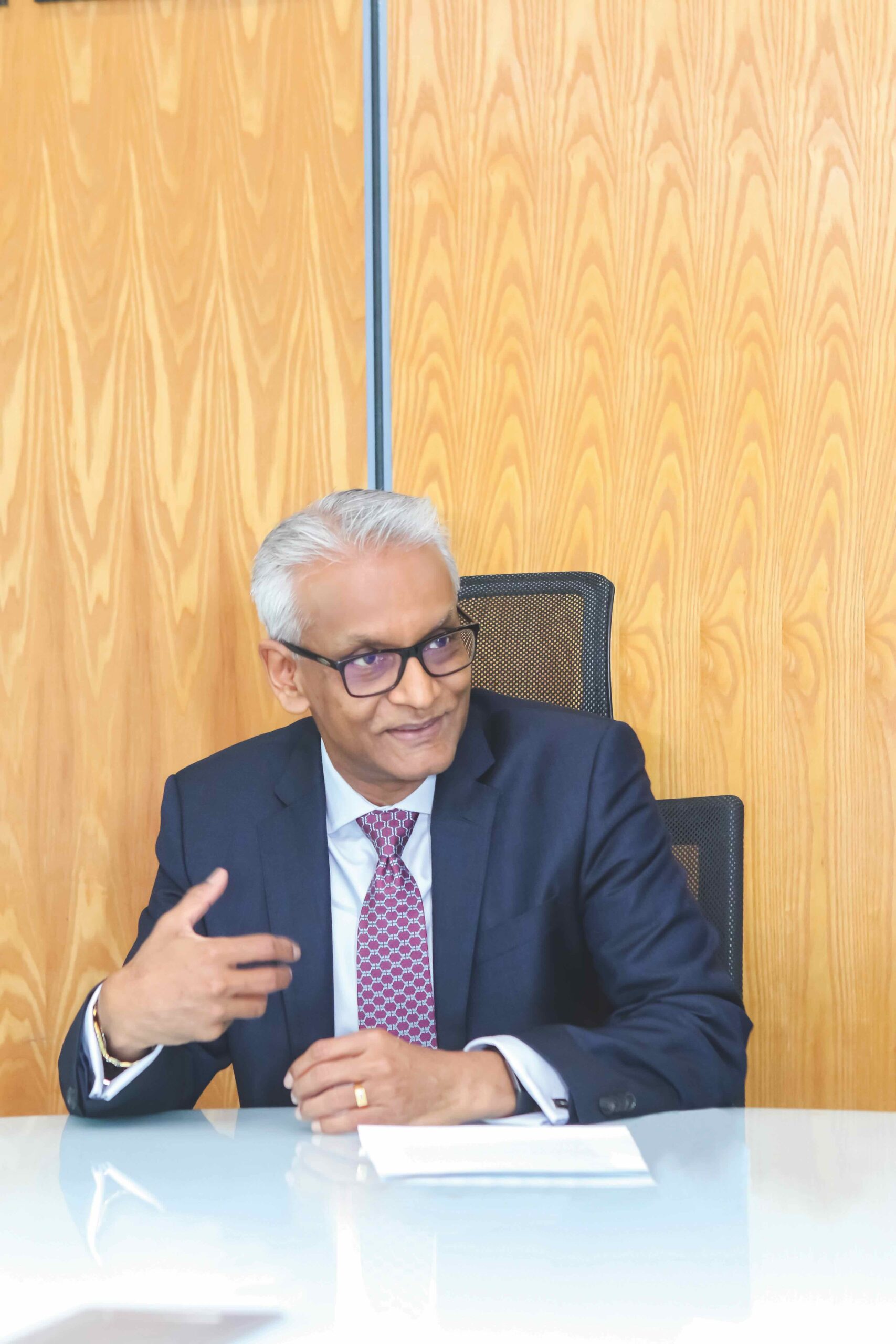
How prepared are Sri Lankan corporates for the increasing complexity of standards (like IFRS 9 and IFRS 17)?
Sri Lankan corporates’ readiness for standards like IFRS 9 and IFRS 17 is improving, but varies by sector and institution.
Both standards demand a high level of judgement, robust data, skilled talent, and strong governance frameworks—particularly around models and assumptions. Although IFRS 9 has been in effect for several years, many financial institutions are still on a learning curve. While knowledge in areas such as credit risk and expected credit loss (ECL) methodologies is advancing, there is still considerable room for improvement. A key challenge has been the delay in automation, with many organizations continuing to rely on manual processes. This not only limits efficiency but also affects implementation consistency and scalability.
With IFRS 17, the picture is somewhat more encouraging, particularly among larger insurance companies, which have made significant investments in systems and capabilities. However, smaller players are still building the necessary depth in actuarial expertise and finance transformation capabilities. This divergence highlights the broader issue of uneven market readiness.
A critical factor going forward is mindset. Implementation should not be viewed as a one-off project, but as an ongoing capability that evolves with changing business models, risks, and regulatory expectations. Continuous improvement, supported by strong oversight from boards and audit committees, will be essential to ensuring that organizations comply with these standards and also derive meaningful value from them.
What role must audit firms play in bridging gaps between regulators and businesses?
Auditors are a conduit between regulators and businesses, effectively acting as a bridge between regulatory intent and practical implementation. In many instances, regulators focus on strengthening oversight and safeguarding the system, while businesses are primarily concerned with operational realities and commercial outcomes. Bridging this gap requires a balanced, informed perspective, and that is where audit firms add value.
We are uniquely positioned to play a “translation” role. By combining fact-based insights from our work with clients and a deep understanding of regulatory expectations, we can help align both sides. This includes sharing emerging good practices, identifying implementation challenges early, and facilitating constructive dialogue where regulatory intent and business realities do not fully align.
In Sri Lanka, the profession has played this role on several important occasions. For example, during the implementation of IFRS 17, audit firms contributed insights to support a smoother transition. Similarly, during the default of government bonds and the subsequent reclassification of government securities amid the pandemic and economic crisis, the profession provided critical accounting guidance. Another key area was during the COVID-19 pandemic, when auditors helped guide the profession on adapting to remote and virtual auditing environments, at a time when many were unprepared.
However, this bridging role must always be performed with a clear commitment to independence. Audit firms should not advocate for one party over another. Instead, their responsibility is to uphold the quality of financial reporting, strengthen governance, and serve the broader public interest. Maintaining this independence is essential, not only for the integrity of the profession but also for preserving public trust and confidence in the financial system.
Do you see a need for stronger enforcement or more education when it comes to financial reporting standards?
Yes, there is a clear need for stronger enforcement and greater emphasis on education regarding financial reporting standards—they are complementary, not mutually exclusive.
Education is critical to building capability and consistency, particularly as standards become increasingly judgment-based and complex. Preparers, auditors, and other stakeholders must have a deep understanding of both the technical requirements and their practical application.
At the same time, this learning must be grounded in local realities. It is not always effective to impose frameworks designed for advanced economies directly on local entities without considering differences in capacity, systems, and market context. Therefore, investing in continuous education and practical guidance is essential.
However, education alone is not sufficient. Enforcement plays a vital role in ensuring discipline and maintaining confidence in the system. This is especially important in sectors such as banking and insurance, where public trust is fundamental. Without consistent and rigorous enforcement, even strong standards can lose their effectiveness. As seen globally, a loss of confidence can have rapid, far-reaching consequences, regardless of an institution’s underlying strength.
In my view, the best outcomes are achieved when regulators, professional bodies, preparers, and auditors work together, engage in proactive dialogue, provide clear guidance, and build capacity, while also applying consistent consequences when standards are not met. Striking this balance is key to strengthening the overall financial reporting ecosystem and sustaining market trust.
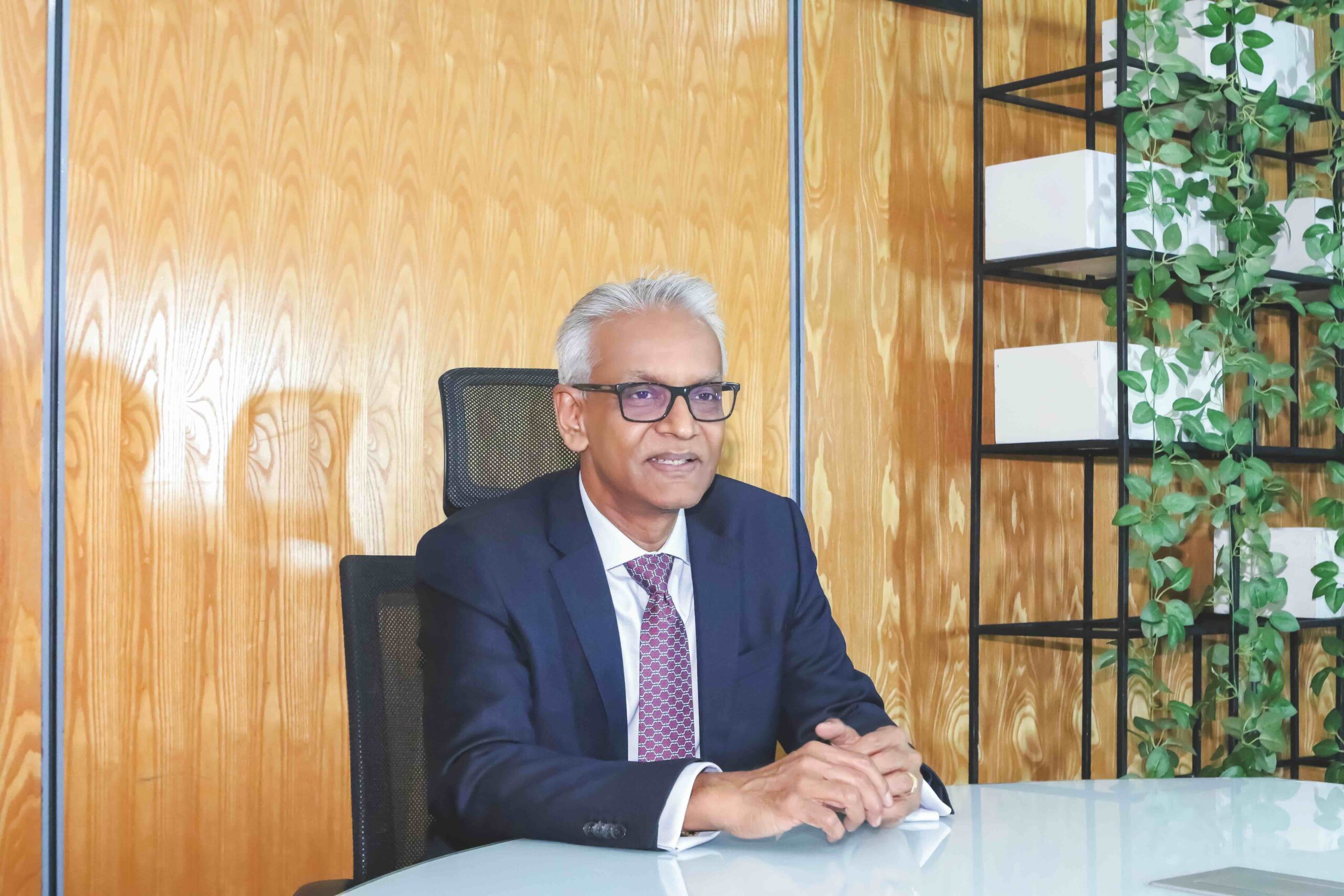
Given that you have been involved in several landmark transactions in Sri Lanka, what key lessons do large infrastructure and privatization projects offer for future public-private partnerships?
Having been involved in several landmark transactions between the mid-1990s and early 2000s, I have seen firsthand how well-structured privatization and infrastructure projects can deliver long-term value to the country. Many of those projects continue to benefit Sri Lanka today, and they offer important lessons for the future of public-private partnerships (PPPs).
I have been involved in some of the country’s large-scale infrastructure due diligence projects that include Lanka Lubricants sale to Caltex, Sri Lanka Telecom’s strategic partnership with NTTI of Japan, Sri Lanka Ports Authority privatizing of the Queen Elizabeth Container Terminal and Eagle Insurance sale of shares to Zurich Financial Services and later to Aviva Insurance. In the State sector, I was an audit partner in charge of the largest entities in the country including Bank of Ceylon, People’s Bank, Ceylon Electricity Board, Ceylon Petroleum Storage Terminal, Sri Lanka Insurance and the Sri Lankan Airlines.
At the core of successful projects is strong governance and unwavering transparency—from initial feasibility through to execution. Clarity in decision-making, with minimal political interference, is essential to building investor confidence and maintaining credibility throughout the process.
Another critical lesson is the importance of rigorous upfront due diligence. This must be comprehensive, covering technical, financial, legal, tax, and environmental aspects, and supported by credible partners and funding structures. Projects of this scale cannot afford to be approached in a “penny-wise, pound-foolish” manner; investing in the right expertise and advisory support at the outset significantly increases the likelihood of long-term success.
Sri Lanka stands to benefit from establishing consistent and transparent procurement frameworks that can attract high-quality investors. Equally important is strengthening contract management capabilities within the public sector. The government and relevant institutions must have the capacity to clearly define national priorities and negotiate balanced agreements, ensuring that while private capital is attracted, the broader social value and public interest are protected.
A broader lesson is also about mindset. It is often easier to avoid risk and say “no” to complex projects, thereby sidestepping scrutiny and accountability. However, meaningful progress requires a willingness to take on challenges, make informed decisions, and see projects through despite difficulties. Successful organizations and economies are typically those that choose to engage, take calculated risks, and execute with discipline.
Well-executed PPPs are not difficult to achieve in principle. They require the right balance of governance, capability, and intent. With the right structures and a proactive approach, Sri Lanka can unlock significant value through future partnerships while safeguarding its citizens’ interests.
As Chair of the Audit Committee Forum at the Sri Lanka Institute of Directors, what trends are you seeing in boardroom governance?
I have observed a clear and encouraging shift in boardroom governance, with a much stronger focus on risk and resilience. Boards today are looking beyond traditional performance metrics and paying closer attention to liquidity risk, cyber risk, regulatory compliance, and reputational risk. This reflects a broader recognition of the complex and interconnected risks organizations now face.
Audit committees, in particular, are becoming more effective and engaged. There is a noticeable improvement in the depth and quality of oversight, with members asking more probing and informed questions, especially around the quality of earnings, the robustness of key estimates, related-party transactions, and the overall control environment. This is partly driven by a better understanding of their responsibilities, as well as by regulators’ increased emphasis on strengthening audit committee effectiveness.
Another significant trend is the growing expectation for greater transparency in reporting. There is heightened focus on emerging areas such as sustainability and ESG disclosures, which are increasingly becoming integral to corporate reporting. As Sri Lanka begins implementing aspects of these standards, boards and audit committees are actively discussing and raising awareness of these requirements.
Equally important is the strengthening of the “tone at the top.” There is a growing emphasis on ethics, accountability, and governance, which are fundamental to ensuring high-quality financial reporting and robust internal controls. A strong ethical culture, led by the board and audit committees, plays a critical role in preventing fraud and errors.
Overall, the trajectory is positive. Over the past decade, governance standards in Sri Lanka have steadily improved, and while there is still room for progress, boards are clearly moving in the right direction with a more proactive, informed, and forward-looking approach to oversight.
You’ve contributed extensively to professional bodies such as the ACCA and the Institute of Chartered Accountants of Sri Lanka. How important is it for practitioners to engage in policy, education, and standard-setting?
The credibility of our profession depends on the continuous improvement of standards, education, and ethical expectations. Without practitioners’ active involvement, it becomes difficult to ensure these frameworks remain relevant, practical, and aligned with the realities of the business environment.
When we engage with professional bodies and regulators, we bring valuable, ground-level insights that help shape standards that are both robust and implementable. This collaboration is essential to maintaining the integrity and effectiveness of financial reporting and auditing practices.
Beyond that, such involvement reinforces a broader culture of service. As professionals, we have benefited from these institutions at various stages of our careers, and there is a responsibility to give back. Contributing to policy, education, and standard-setting is not just about safeguarding the profession’s reputation; it is also about strengthening trust in markets and supporting the broader economy.
This perspective closely aligns with KPMG’s purpose: inspiring confidence in our people, clients, and society, and empowering change to address complex challenges. Our role extends beyond serving clients; it includes contributing to the development of the profession, supporting regulatory frameworks, and helping capital markets evolve. By doing so, we help build a more transparent, resilient, and trusted business environment.
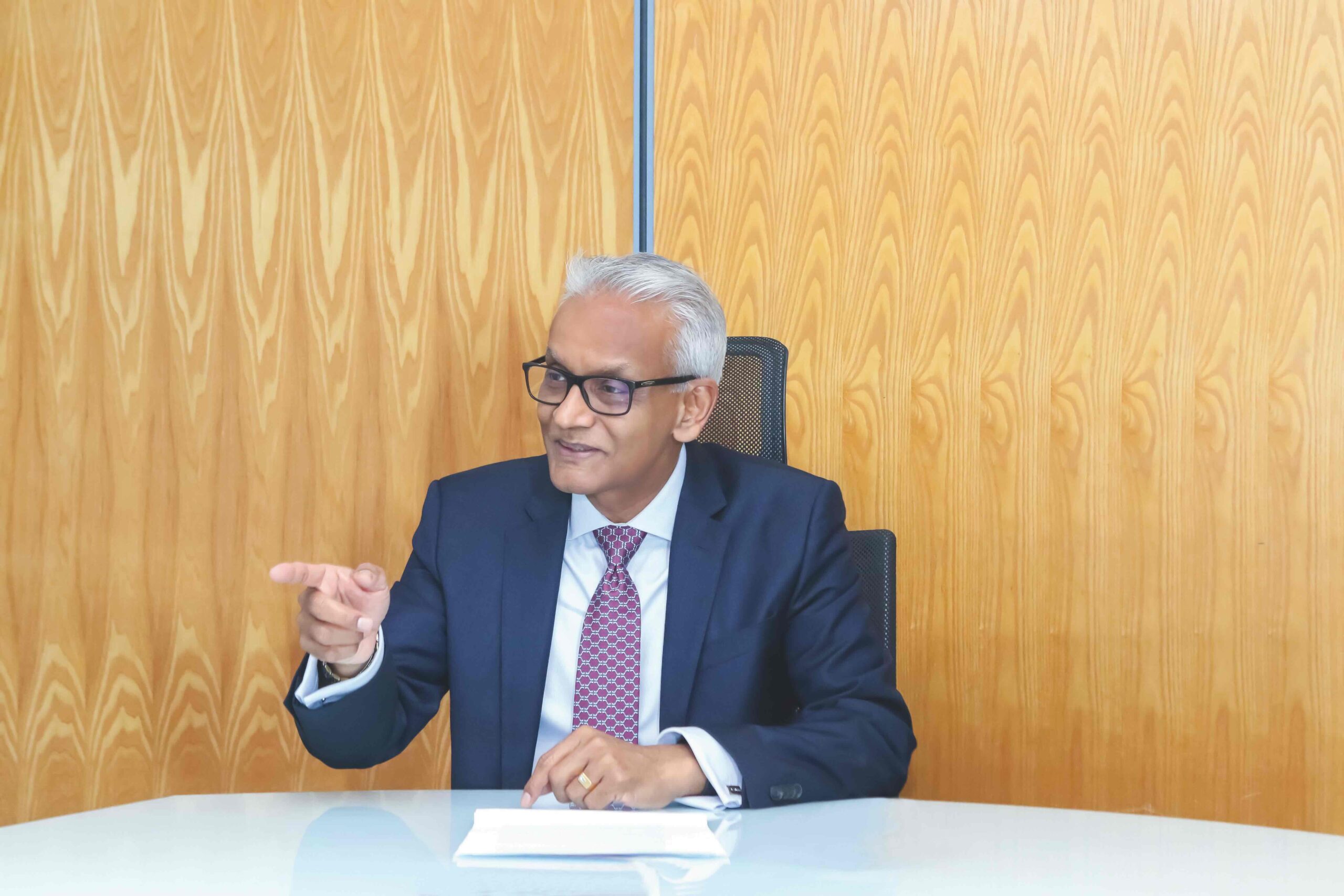
With your consistent emphasis on integrity, how do you ensure these values are embedded across all levels of the firm?
We start by setting clear expectations through our Values statement and code of conduct, which define the standards of behavior we expect from everyone in the firm.
Reinforcement happens through multiple channels: training, coaching, and, importantly, the way decisions are made, especially in difficult situations. Culture is shaped daily by what leadership tolerates and rewards, and we ensure that incentives align with the right behaviors. Rewarding the right actions is critical to embedding integrity into day-to-day operations. History has shown that misaligned incentives can drive short-term gains but ultimately erode trust and stability, which is something we are careful to avoid.
Equally important is fostering an environment where people feel empowered to speak up, challenge constructively, and raise concerns without fear. At KPMG, this is captured in our value of “Courage”—encouraging our people to think and act boldly. By combining clear expectations, practical reinforcement, aligned incentives, and a safe environment for dialogue, we ensure that integrity and ethical behavior are not abstract ideals, but live principles that guide every decision and action within the firm.
In today’s complex business environment, what are the biggest ethical challenges facing auditors?
One of the biggest ethical challenges auditors face today is managing real or perceived conflicts of interest, especially in contexts where commercial pressures and tight timelines make judgment calls more difficult. At the same time, auditors must navigate increasingly complex areas such as estimates, valuations, and financial models, ensuring that professional judgment is exercised consistently and rigorously.
Maintaining professional skepticism is another critical challenge, particularly in long-standing client relationships where familiarity can inadvertently create risks. Auditors must remain objective, independent, and evidence-based, even when under pressure to deliver results quickly or to accommodate client expectations.
Auditors are called upon to uphold the highest moral and ethical standards at all times. This includes keeping promises, setting an example through consistent actions, and having the courage to raise difficult issues when necessary, even if it means qualifying accounts rather than issuing a clean opinion. While some clients may view this as challenging, it often drives improvement in financial reporting and strengthens the credibility of both the firm and the market.
In Sri Lanka, the small, interconnected business community adds an additional layer of complexity, making independence and ethical consistency even more critical. Over the past 129 years, KPMG has maintained its reputation by consistently applying these principles, and it is through this steadfast commitment to integrity, quality, and professional courage that auditors can continue to navigate ethical challenges effectively.
I believe sustainable growth rests on trust and consistency. Success comes from doing what’s right, the right way. This aligns with our core value—excellence—which means delivering top quality, upheld by integrity.
How can firms like KPMG strengthen public trust in auditing and financial reporting?
It begins with consistency—quality, independence, and accountability. We recognize that reputation is earned through sustained performance over time, and this drives every aspect of our approach. Stakeholders gain confidence when they see that the same high standards are applied across all engagements, without favoritism, compromise, or deviation from professional principles.
To achieve this, we have made significant investments in methodology, technology, training, and robust quality management systems, while being transparent about how we maintain these standards. Constructive engagement with audit committees and regulators is also critical. Through platforms such as the Audit Committee Forum of the Sri Lanka Institute of Directors, which I chair, we provide guidance, share best practices, and continually raise the bar on governance and reporting standards.
However, KPMG acting alone is not enough. Public perception often paints all auditors with the same brush, so the profession’s collective efforts are essential to strengthening trust across the market.
While our own success is evidenced by awards and recognition for quality and integrity, we understand that broader public confidence depends on consistent high standards being upheld across the entire profession.
Wherever it is within our control, we maintain this consistency, ensuring that every engagement reflects our commitment to quality, independence, and accountability. By doing so, we protect KPMG’s credibility and contribute to the integrity and trustworthiness of the broader financial reporting ecosystem.
With increasing scrutiny on audit quality globally, what differentiates a truly high-quality audit today?
It is defined by three interrelated pillars: deep business understanding, rigorous execution, and the effective use of world-class technology. It is not just about checking boxes. It requires a nuanced understanding of the client’s business, industry, and the risks they face, combined with disciplined, methodical audit processes.
Strong risk assessment is essential, along with the ability to appropriately challenge management judgments and assumptions, particularly in areas driven by estimates, complex models, and large data sets. High-quality evidence underpins every conclusion, ensuring that the audit opinion is robust and reliable.
Equally important is how the audit is delivered. Quality depends on effective supervision, comprehensive review processes, and a strong quality management system that covers all aspects, from independence and ethics to engagement performance, root-cause analysis, and remediation of findings. Technology plays a critical role in enhancing efficiency, enabling better data analysis, and supporting collaboration across teams and geographies.
With KPMG retaining talent exceptionally well under your leadership, what is the secret to building such loyalty?
Loyalty at KPMG is earned through fairness, opportunity, and purpose. While our Firm is often seen as a stepping stone for careers, with thousands of professionals passing through and many moving on to global opportunities, those who join us often stay connected and loyal because of the strong foundation we provide. That foundation, built over decades, is grounded in discipline, respect, and high professional standards, which continue to shape how people experience the firm.
People remain loyal when they feel respected, are given challenging work, and benefit from strong mentoring. We invest in development through meaningful assignments, continuous learning, and guidance from experienced leaders. This sense of growth, combined with a clear career progression path, creates both engagement and commitment.
Equally important is fostering a sense of belonging. In professional services, retention is about more than just work. It’s about creating teams that support one another, take pride in their achievements, and uphold the quality of service we deliver. Even when professionals move on, loyalty endures through our strong alumni network, which not only maintains connections but also contributes to business development, reflecting trust in the KPMG brand and our standards.
Loyalty is reinforced when people see purpose in what they do. A young professional joining KPMG often gains in a few years what others might take a decade to achieve: a clear profession, global opportunities, and a strong foundation for life and career. By providing fairness, growth, mentorship, and meaningful purpose, we cultivate both loyalty and a culture in which people aspire to excel, whether within the firm or as KPMG ambassadors beyond its walls.
How do you see the role of accountants evolving in an increasingly technology-driven world?
The role of accountants is evolving rather than disappearing. Routine transaction processing and basic reporting are increasingly automated, but this shift expands the accountant’s responsibilities to provide assurance, insight, and judgment across a broader range of information. Technology enhances efficiency and enables more comprehensive analysis. For example, in auditing, we can now review millions of transactions rather than relying on small samples, but humans remain essential to interpret the results, exercise professional judgment, and make decisions based on context and complexity.
As technology takes over repetitive tasks, expectations around data quality, controls, and governance of models and analytics are rising. Accountants must ensure the integrity of information, maintain ethical standards, and apply judgment where automated systems cannot. AI and other tools lack ethical reasoning, so the human accountant’s expertise and moral discipline remain critical to maintaining trust in financial reporting.
The profession is also seeing increased demand for assurance over non-financial information, including sustainability and ESG metrics. Accountants who can leverage technology to generate insights, provide robust assurance, and guide decision-making will remain highly sought after. In short, technology is transforming the accountant’s toolkit while also elevating the profession, requiring a combination of technical proficiency, analytical insight, ethical rigor, and strategic judgment that machines cannot replace.
What skills should young professionals focus on to succeed in audit and advisory over the next decade?
Young professionals must first build strong fundamentals in accounting and auditing. This technical foundation is essential, but to truly differentiate themselves, they need a combination of critical thinking, professional skepticism, attention to detail, and clear communication. These skills enable them to analyze complex transactions, question assumptions, and articulate insights effectively.
Digital literacy is increasingly critical. Professionals must understand data, controls, and the ways technology transforms risk and enhances audit processes. Technology allows for greater efficiency and analysis, but human judgment is required to interpret results and make informed decisions.
Equally important are ethics, discipline, and curiosity. Ethics ensures trust and integrity in all work; discipline provides consistency and reliability; and curiosity drives continuous learning, encourages asking the right questions, and fosters a deeper understanding of clients and their business environments.
Ultimately, the professionals who will excel are those who combine technical competence with sound judgment, client insight, and a genuine commitment to quality. Trust and quality remain the cornerstones of success, not just for individual careers, but also for the broader mission of maintaining confidence in financial reporting and advisory services.
Do young professionals choose accounting and finance out of passion, or more for the career opportunities it offers?
In many cases, it’s less about an inherent passion for accounting or auditing and more about the opportunities the profession provides. Accounting offers a strong foundation for business leadership—many accountants go on to become CEOs, managing directors, or chairpersons. The syllabus itself covers a broad spectrum of business knowledge, from marketing and law to internal controls and fraud management, making it an excellent launch pad for a future in business.
At KPMG, we recognize that today’s young professionals, Gen Z and Alpha, learn and engage differently. We have adapted our training, coaching, and learning programs to match these preferences. For example, our audit processes are increasingly automated, allowing flexibility to work anytime, anywhere. We also leverage AI tools like Clara, our internal platform, where staff can securely ask questions and receive guidance, similar to using ChatGPT, but within a controlled environment. Additionally, we provide short, focused video lessons and interactive content to make learning fast, accessible, and engaging.
Young professionals develop a passion because we combine strong technical foundations with modern, flexible learning tools, helping young professionals quickly build competence, achieve high-quality results, and develop the skills needed to advance in their careers.
Many of your peers either changed careers or moved abroad when they had the chance. What made you stay in Sri Lanka and continue your journey with KPMG?
I would probably be the only one from my cohort who stayed back. When I first entered the profession, I had an aim to “change the world,” but changed quickly to be in line with Gandhi’s view of “be the change”. I quickly realized that while I couldn’t change everything, I could focus on what I could influence, and I have done that consistently over the past 40 years. This passion kept me serving the country.
For me, maintaining integrity, ethical behavior, world-class quality, and the courage to walk away from clients who didn’t share our values has always been non-negotiable. That courage, choosing principles over convenience, was perhaps the most difficult yet most important decision I’ve made.
I genuinely love auditing, and even though my current role limits direct involvement, the work still gives me immense satisfaction.
Helping our staff grow, supporting their learning and career progression, and assisting companies in strengthening internal controls or restructuring effectively—that impact is incredibly rewarding. Some of them come back to acknowledge the guidance, which is deeply gratifying.
Our purpose at KPMG, to support clients, communities, and capital markets, has always guided us. We have consistently upheld high audit standards, taken difficult decisions when necessary, and ensured that the companies we’ve audited continue to thrive.
Personally, I was fortunate to have excellent mentors early on. I became the youngest partner in Sri Lanka at the age of 29, a record that still stands. Mentors like Mr. Rajan Asirwatham and Ms. Premila Perera guided me not just in technical skills, but in understanding people, values, and leadership. Their influence shaped the way I approach culture, integrity, and leadership at KPMG. That’s the foundation that has kept me motivated to stay and contribute.
Well-executed PPPs are not difficult to achieve in principle. They require the right balance of governance, capability, and intent. With the right structures and a proactive approach, Sri Lanka can unlock significant value through future partnerships while safeguarding its citizens’ interests.
Many young professionals say that joining KPMG gives them excellent learning opportunities and that you are approachable as a mentor. What advice would you give them to make the most of their time here?
My advice is simple: remain curious and never stop learning. At KPMG, we encourage a habit of continuous learning. Just because you’ve passed an exam or completed an audit doesn’t mean your journey is complete.
I emphasize continuous mentoring and coaching, taking the time to explain why they are here, not just to earn qualifications, but to become professionals of the highest standard. I always tell them that “world-class” is the standard we aspire to, and anything below that is not acceptable.
Many of the university students and young professionals I see are ambitious and eager to learn, which is encouraging. With the right guidance and opportunities, they can contribute significantly to their organizations and even to the country’s progress.
I also tell them that leadership starts with oneself. If there are issues in an organization, as the saying goes, “the fish rots from the head.” So, first, lead by example and uphold high standards yourself, then you can positively influence those around you.
You’ve emphasized continuous learning throughout your career. How valuable has your international exposure been in shaping your professional growth?
My global exposure has been incredibly valuable, especially early in my career. For instance, I worked in Oman and Dubai during the Gulf War. Despite the missiles and uncertainty, I stayed and focused on delivering our work, an experience that taught resilience and adaptability. I also had the opportunity to work in the London office in 1995, during the Barings Bank due diligence. It was an excellent learning experience because I was exposed to advanced practices that simply weren’t available in Sri Lanka at the time. I even brought back a laptop to Sri Lanka, one of the very first in our office, so I could apply what I had learned.
Today, we continue to encourage international assignments for our team members—whether three months or six months—so that aspiring professionals who are willing to embrace challenges and work hard can gain the same perspective. These experiences go beyond an eight-hour workday; they require dedication, but they pay immense dividends in skills, exposure, and professional growth.
I was fortunate to have excellent mentors early on. I became the youngest partner in Sri Lanka at the age of 29, a record that still stands. Mentors like Mr. Rajan Asirwatham and Ms. Premila Perera guided me not just in technical skills, but in understanding people, values, and leadership.
How does it feel to have built your career at one of the Big Four accounting firms?
I feel extremely proud. Even before we became KPMG, we represented many of the world’s leading companies and have maintained the number-one position in Sri Lanka for many years. It’s a privilege to be in this position, knowing that our work has helped shape the careers of countless professionals who are now contributing globally. Hearing them say, “KPMG helped us achieve this”, is immensely rewarding.
Our legacy is a significant part of that pride. Since our firm’s beginnings in 1897, we have built a reputation based on integrity, professionalism, and strong leadership. The name Ford Rhodes Thornton is still a name that’s on top of mind recall for many senior businesspeople. Over the decades, we have evolved continuously—our client portfolios, audit processes, and leadership structures have all adapted to meet changing standards and expectations. For example, audit rotation now means we don’t serve the same clients indefinitely, yet many long-term clients have remained deeply loyal.
The firm’s success is built on heritage, on the integrity and vision of past leaders, who have been role models within the profession and in society. Their example has ensured that KPMG remains relevant, trusted, and respected—qualities I am honored to carry forward today.