

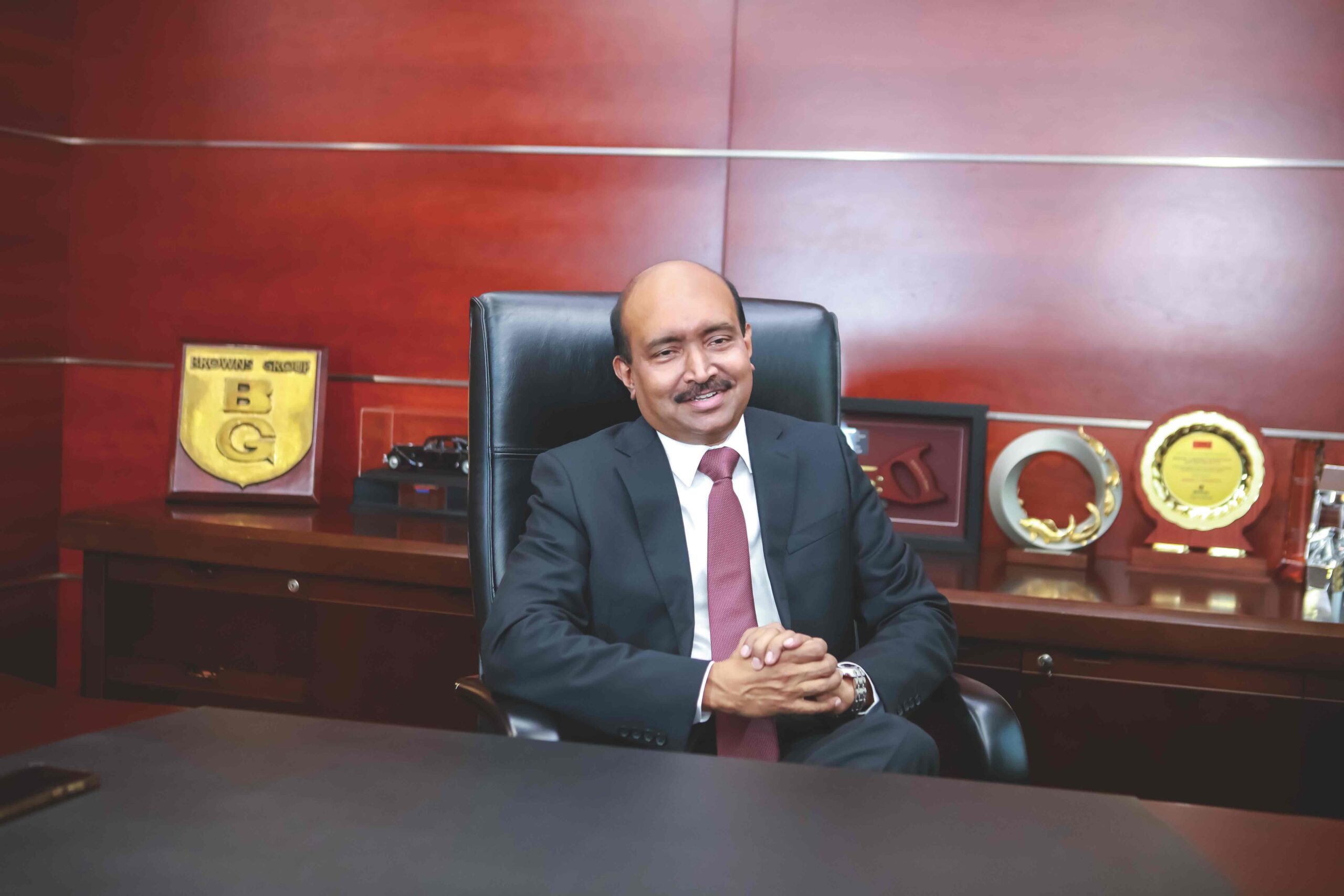
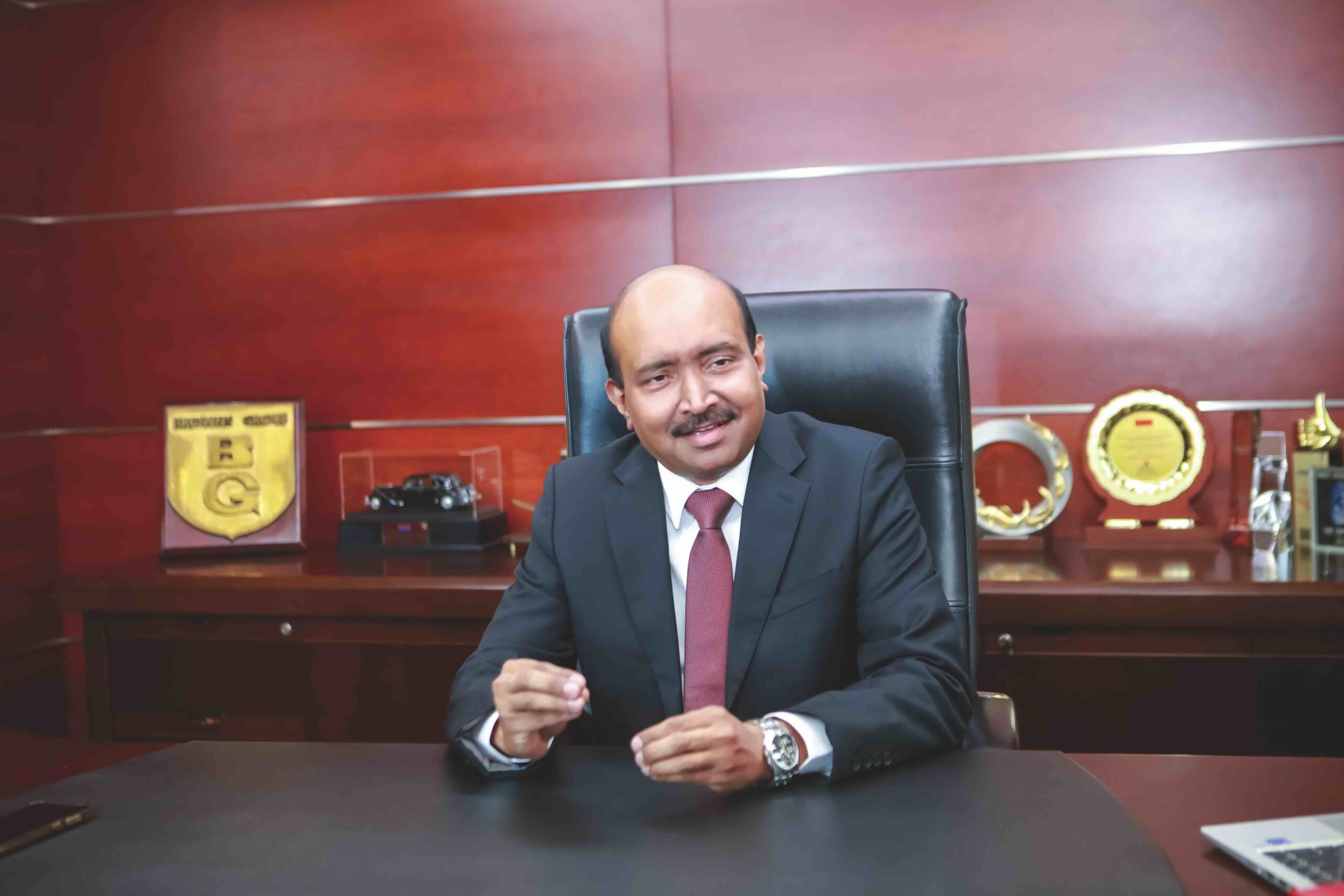
With a 150-year legacy, Brown and Company is redefining its pivotal role in Sri Lanka through diversification, digital transformation, and international expansion, supporting the nation’s recovery. Speaking with Business Today, CEO Thamotharampillai Sanakan discusses Browns’ performance, growth priorities, and how the Group balances its heritage with a forward-looking vision to drive innovation, support national development, and expand regionally and globally.
Words: Jennifer Paldano Goonewardane.
Photography: Sujith Heenatigala and Dinesh Fernando.
How would you evaluate the overall performance of Brown and Company during the 2024/25 financial year and the first nine months of 2025, particularly against the backdrop of Sri Lanka’s gradually stabilizing economic environment?
Marking its 150th year of operations, Brown and Company (BCL) Group closed the financial year ended March 31, 2025 with a strong performance marked by significant revenue expansion and ambitious acquisitions across core sectors. The Group recorded a 34 percent year-on-year increase in consolidated revenue, reaching 107.82 billion rupees, supported by EBITDA of 15.34 billion rupees and profit before tax of 25.88 billion rupees. Total assets climbed 34 percent to 752.69 billion rupees.
In the first nine months of 2025, Browns saw solid top-line growth from trading, agriculture machinery, manufacturing, and leisure sectors. Higher operating and finance costs from expansion slightly reduced short-term profitability. Amid Sri Lanka’s recovery, Browns showed resilience, strong market positioning, and a clear long-term growth strategy by leveraging diversification and international expansion while managing the challenges of investment-driven growth.
Data-driven decision-making boosted performance in 2024/25. Digital initiatives, including ERP integration, real-time data, and machine learning for credit and risk, directly improved efficiency and accuracy.
As a pioneer of agricultural mechanization in Sri Lanka, Browns was ideally placed to capitalize on this upswing. Our market presence, extensive distribution network, and decades long relationships with farming communities enabled us to respond swiftly and effectively.
Given the Group’s long history and diversified structure, how do you ensure that synergies across subsidiaries translate into tangible competitive advantages?
We achieve synergies across subsidiaries by aligning all businesses under a common group strategy while maintaining operational flexibility. The Group integrates key functions such as procurement, finance, and supply chain to gain economies of scale and reduce costs. It also promotes collaboration and knowledge sharing between subsidiaries, enabling expertise and market networks from different sectors to support one another. Through strong governance and performance monitoring, these collaborations yield measurable outcomes such as cost efficiencies, stronger market positioning, and sustainable competitive advantages.
With cost pressures and currency fluctuations affecting many Sri Lankan corporates in recent years, how did Browns manage input costs, supply chain disruptions, and fluctuating demand during the year under review?
We managed the above challenges by maintaining optimal inventory, negotiating supplier terms based on forecasts, securing minimum purchase commitments, and using pricing formulas to ensure competitive imports.
With reputable suppliers, we leveraged long-term partnerships to secure favorable terms and discounts, helping offset price fluctuations. We managed currency risk by securing better credit terms, optimizing inventory turnover, and efficiently handling Letters of Credit settlements. Moreover, we diversified supply sources and strengthened supplier ties to reduce supply risks. We managed rising input costs by focusing on cost optimization and operational efficiencies across subsidiaries. Browns also leveraged its diverse business portfolio to balance fluctuations in demand across sectors. Through careful financial management and pricing adjustments, the company was able to maintain operational stability despite the challenging economic conditions faced by many Sri Lankan corporates.
During the year, we introduced Browns E-Care, Sri Lanka’s first e-warranty management system for automotive batteries. This digital platform enhances customer convenience, improves warranty transparency, and significantly strengthens service efficiency.
How did the Group’s long-standing presence in the agricultural sector perform in 2024/25, particularly with the recovery of farming activity across the country?
Browns provides total solutions to the agriculture industry. The Agriculture division offers a comprehensive portfolio including tractors, harvesters, rice mills, and related equipment, enabling farmers to improve productivity across the entire cultivation cycle.
Browns Agstar and Agri Solution continued to support the sector through the supply of fertilizers, seeds and crop nutrition solutions, reinforcing the Group’s integrated approach to modern agriculture.
The agricultural sector delivered strong results in 2024/25, matching the recovery of farming activity in Sri Lanka. As input availability stabilized and farmer confidence returned, demand for machinery and integrated solutions rose, reaffirming agriculture’s key role in the economy and in Browns’ growth.
As a pioneer of agricultural mechanization in Sri Lanka, Browns was ideally placed to capitalize on this upswing. Our market presence, extensive distribution network, and decades long relationships with farming communities enabled us to respond swiftly and effectively. We maintained our leadership in agricultural equipment, particularly in tractors and harvesters, by combining competitive pricing strategies with innovative value propositions designed to ease the investment burden on farmers. In several instances, we deliberately operated on prioritizing volume growth, market penetration, and long term loyalty over short term profitability. These efforts translated into outstanding market outcomes. Browns Agriculture retained its undisputed leadership in both the tractor and harvester segments, commanding a dominant 40 percent market share in tractors and an unparalleled 75 percent share in harvesters. Such performance is not achieved by products alone it is the result of trust built over generations.
Beyond machinery sales, we strengthened our value proposition through comprehensive after sales support. Free service campaigns, 24/7 service availability, and rapid response teams ensured farmers experienced minimal downtime during critical cultivation and harvesting periods. In parallel, we expanded farmer training programs across the country, focusing on correct equipment usage, maintenance, and modern farming practices. Our ambition is to empower farmers not just with machines, but with knowledge and confidence.
Importantly, the year also marked a strategic shift towards agricultural digitalization. Browns is progressively introducing modern technologies and data driven solutions to support more efficient, productive, and sustainable farming practices. This transition reflects our belief that the future of agriculture lies at the intersection of mechanization, digital intelligence, and sustainability and we intend to lead that transformation.
Our agricultural footprint extends beyond Sri Lanka. During the year under review, Browns Plantations emerged as the world’s largest tea producer, following the landmark acquisition of Lipton Teas and Infusions’ estates in Kenya, Rwanda, and Tanzania.
Today, Browns Plantations owns 100,000 hectares and produces around 100 million kilograms of tea annually across global operations, significantly strengthening the Group’s international presence and reinforcing our leadership in plantation agriculture. This year, BCL Group significantly expanded its plantation sector, solidifying its position in the global tea supply chain. The Group acquired Lipton’s plantation assets in Kenya, Rwanda, and Tanzania, followed by the post-financial-year-end acquisitions of Pussellawa Plantations and Tea Smallholder Factories. These strategic moves bolster BCL’s East African footprint and commitment to the real economy.
With these additions, Brown and Company now boasts an annual tea production capacity of approximately 100 million kilograms across 100,000 hectares of plantations. Performance from the Group’s local listed plantation companies, Udapussellawa Plantations and Hapugastenne Plantations, was also notable. These entities recorded pre-tax profits of 883 million rupees and 614 million rupees, respectively, reflecting improved market conditions and operational efficiencies.
With Sri Lanka gradually easing import restrictions, how is the automotive and hardware segment positioning itself for renewed market activity?
We see the easing of import restrictions as an opportunity to consolidate leadership in key economic recovery and mobility categories. We strengthened our supply chains and maintained global partnerships to prepare for improved market conditions. We are rebuilding inventories, expanding product lines, and re-engaging with international principals. Our long-standing relationships with global brands like Makita, JK, Firman, and Eclips allow us to secure imports at better prices than many peers, even amid global constraints.
Browns introduced range of electronic vehicles to the market with the name of Browns EV. It focuses on bringing affordable electric mobility solutions to Sri Lanka and accelerate Sri Lanka’s green mobility transition. Browns has been in the automobile battery industry since 1924, with a manufacturing plant established in 1960. The company also has a radiator manufacturing plant operating for 58 years. We are market leaders in both, 65 percent in the battery market and 63 percent share in the auto radiator market. We expect demand to strengthen further for Exide, Lucas, and Daganite batteries, tires, Radco radiators, and vehicle services through Browns Hybrid center as vehicle usage increases and fleet renewal resumes. Our island-wide dealer and service network positions us well to respond quickly and efficiently to this uptick in demand.
The demand for vehicles in the current financial year has been lower than the abnormal demand in the previous year. However, we remain positive given our island-wide coverage of all the dealers and distributors. Further, we are introducing lithium-ion batteries to the market to meet the growing demand for EVs while expanding our hybrid service centers to cater to the increasing demand.
Equally important is our continued focus on after-sales excellence and customer experience. During the year, we introduced Browns E-Care, Sri Lanka’s first e-warranty management system for automotive batteries.
This digital platform enhances customer convenience, improves warranty transparency, and significantly strengthens service efficiency, reflecting our broader commitment to digital enablement across the value chain.
The Group’s leisure segment also benefited from Sri Lanka’s ongoing tourism recovery. Segment revenue rose 21 percent year-on-year to 12.82 billion rupees, buoyed by improved international tourist arrivals amid increasing political and economic stability.
The Group’s pharmaceutical distribution arm has shown steady growth over the past few years. What factors drove this progress in 2024/25 and early 2025?
A combination of improving market conditions, strong fundamentals, and disciplined strategic execution contributed to its growth.
As the Sri Lankan economy gradually stabilized, the availability of veterinary medicines and essential inputs improved, enabling more consistent supply across farms, veterinary clinics, and commercial livestock operations. This was especially important as demand strengthened across our core focus segments, poultry, dairy, and pet care, each of which has distinct growth dynamics and healthcare requirements.
A key strength of Browns Veterinary Pharmaceuticals lies in the quality and breadth of our product basket. We represent globally respected brands such as Zagro, MSD, and Intervet, whose science-based, high-quality solutions are trusted by veterinarians and farmers alike. These long-standing partnerships allow us to offer a comprehensive range of products covering preventive healthcare, disease management, nutrition, and productivity enhancement, while continuously expanding our portfolio to align with evolving industry needs.
Our island-wide distribution network remains a critical differentiator. It enables us to ensure the timely availability of products across all regions, including key poultry belts, dairy-intensive areas, and emerging pet-care markets. This reach, combined with strengthened supplier partnerships and efficient logistics, has ensured reliability and continuity of supply even during periods of volatility.
We also place strong emphasis on customer engagement and continuous education. Regular farmer and veterinarian education programs covering biosecurity, disease prevention, animal welfare, and productivity best practices have been central to building long-term trust and encouraging responsible product usage. These initiatives are complemented by CSR activities focused on animal welfare, environmental stewardship, and community development, reinforcing our role as a responsible and values-driven partner within the agricultural ecosystem.
Innovation is also playing an increasingly important role in our growth journey. Browns is actively advancing the poultry industry’s digitalization through IoT-enabled solutions, enabling farmers to monitor flock health, optimize feeding patterns, and improve overall productivity. These technology-driven interventions move us beyond traditional distribution, positioning Browns as a solutions-led partner that supports sustainable, data-driven farming practices.
Browns sees its role in Sri Lanka’s economic recovery as twofold: to contribute meaningfully to national development while strengthening its position as a diversified regional and global enterprise.
How did the leisure and entertainment segment perform amid the continued recovery of international tourism?
The Group’s leisure segment also benefited from Sri Lanka’s ongoing tourism recovery. Segment revenue rose 21 percent year-on-year to 12.82 billion rupees, buoyed by improved international tourist arrivals amid increasing political and economic stability. Flagship hospitality assets Eden Hotel Lanka and Serendib Hotels posted operating profits of 172 million rupees and 160 million rupees, respectively. With inbound travel continuing its upward trend, the Group’s hospitality business spread across Sri Lanka, Maldives and Mauritius, is well-positioned for further gains. Improved tourist arrivals, alongside increased domestic travel, boosted occupancy rates and revenue across the Group’s hospitality and leisure properties. Currently, we operate 12 hotels in Sri Lanka and one in the Maldives and Mauritius. The total number of rooms catering is 1,300, with a local average room occupancy of 75 percent. In a reimagining of luxury wellness tourism, Browns Hotels and Resorts proudly unveiled the exquisite Ayugiri Ayurveda Wellness Resort Sigiriya.
Are there opportunities for the Group to expand into renewable energy or power solutions as the country transitions toward more sustainable energy sources?
As Sri Lanka accelerates its transition toward cleaner and more sustainable energy sources, we see renewable energy and power solutions as a natural and strategic extension of our diversified portfolio. The Group has already begun laying a strong foundation in this space, leveraging its longstanding engineering expertise and industrial footprint to invest in practical, scalable energy solutions.
A key focus area has been energy storage, with Browns expanding into lithium ion battery solutions that support the growing demand for reliable power across industrial and commercial applications. Complementing this, the Group has invested in rooftop solar power generation, including a 2.5 MW installation across its tea factory operations.
Building on this success, Browns is now in the process of extending 3.2MW solar power generation to its warehouse network, further reducing its carbon footprint while improving energy efficiency across operations. These initiatives reflect more than an environmental commitment. They underscore a deliberate strategy to align business growth with national priorities. By integrating renewable energy solutions into its operations, Browns is strengthening its resilience, diversifying revenue streams, and positioning itself at the forefront of Sri Lanka’s evolving energy landscape. As the country moves toward a more sustainable and secure energy future, Browns aims to play an active role supporting the transition while reinforcing its position as a leading provider of sustainable energy and mobility solutions.
Browns has established a notable international presence, particularly in Africa. Given the risks associated with the region, what were the key factors that drove the Group’s decision to expand there?
Our expansion into Africa was driven by both cost dynamics and market opportunity. Sri Lanka’s cost of production is relatively high, whereas countries such as Kenya offer significantly lower production costs and the ability to produce tea at scale to meet global demand for higher volumes.
At the same time, Sri Lanka is renowned for its superior tea quality, and Browns has deep expertise in this domain. As a company operating in a relatively small economy, we see strong value in leveraging this knowledge internationally. By applying our expertise in larger, high-growth markets, we can achieve better returns while strengthening our position in the global tea industry.
Our journey has always been about balancing heritage with progress. Preserving what has made us trusted for over a century while continuously reinventing ourselves for the future is central to how we build long-term value.
Browns has emphasized the growing role of digital transformation across its operations. How is technology being integrated across distribution, supply chain management, customer engagement, and operational efficiency?
Our focus is not on digitization for its own sake, but on deploying practical, scalable solutions that improve decision-making, enhance customer experience, and drive measurable operational efficiencies.
One of the key successes in our trading business has been automation. We have strongly focused on automation over the last five years, and today we have 12 AI agents working for us in the company, handling day-to-day operations.
Across our distribution and supply-chain operations, we are embedding real-time visibility to strengthen working capital management and responsiveness. Advanced inventory tracking enables us to avoid both over-stocking and under-stocking, ensuring optimal inventory levels across the network. In parallel, IoT devices have been installed across our transport fleet, allowing us to monitor vehicle movements in real time, optimize route planning, and improve overall logistics efficiency, delivering faster service while reducing operating costs.
Customer engagement has been another major focus area. We have introduced Browns E-Care, Sri Lanka’s first e-warranty management system for automotive batteries, significantly improving transparency, convenience, and after-sales efficiency. Through our sales force automation platforms, dealers can now place orders directly, improving speed, accuracy, and service levels.
In agriculture, the Govisaviya app provides farmers with tailored recommendations on crop-related issues and connects them directly with our in-house solution providers, enabling faster and more informed interventions. We are also deploying livestock monitoring systems that detect early signs of illness, enabling preventive action before issues spread and improving productivity and animal welfare. Operational efficiency is being strengthened through targeted IoT applications across key assets. Remote temperature monitoring of cold rooms ensures product integrity and reduces losses, while IoT-enabled generator monitoring allows real-time tracking of fuel levels, operational performance, and predictive maintenance needs. These capabilities minimize downtime, improve asset utilization, and support proactive decision-making across our operations.
These digital initiatives reflect our broader philosophy, which uses technology as a practical tool to support growth, strengthen partnerships, and future-proof the Group in an increasingly data-driven and connected business environment.
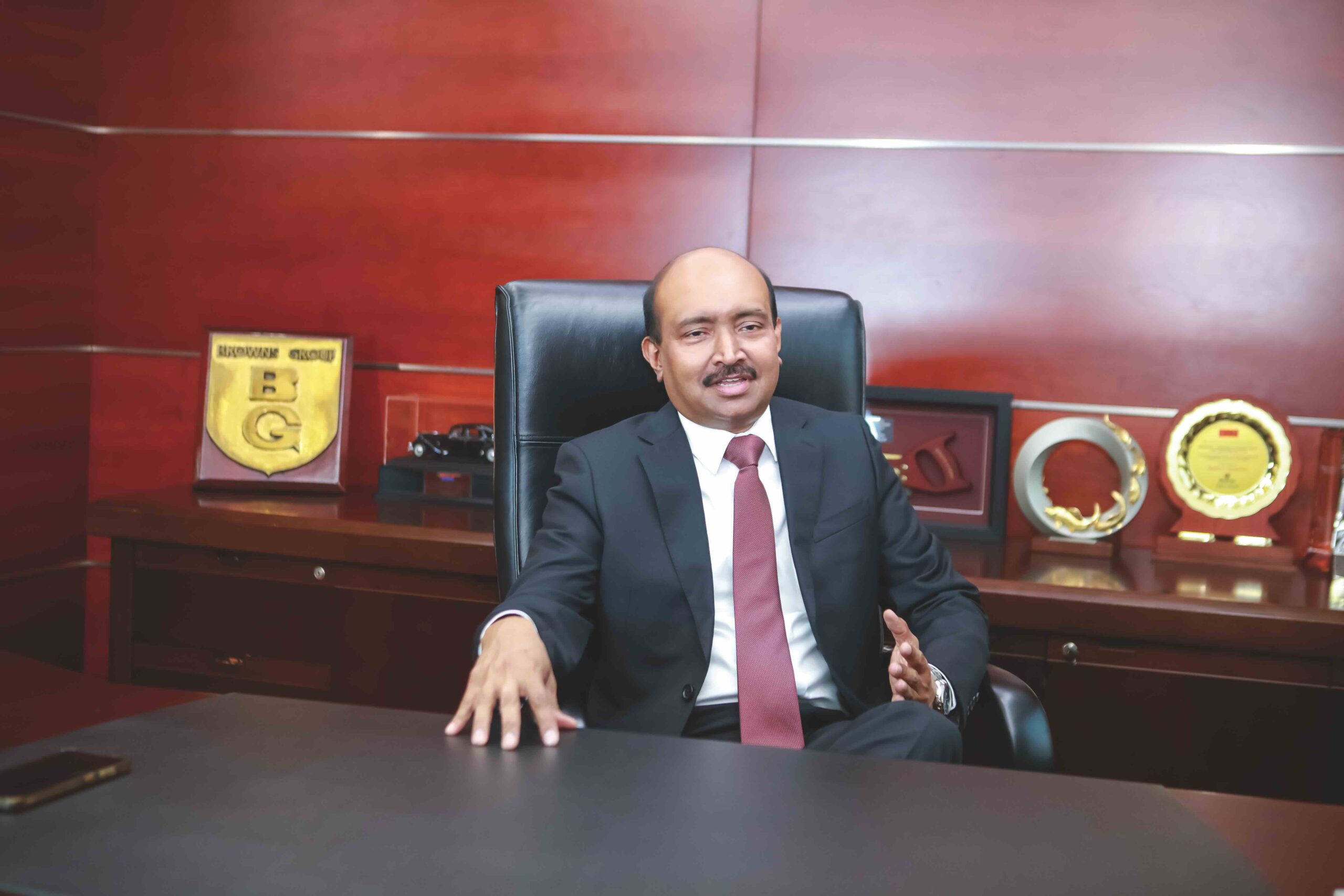
With such a diverse portfolio of businesses, how do you foster innovation and ensure that each sector remains agile in responding to rapidly changing market conditions?
Fostering innovation and agility across a diverse portfolio requires a balance of strategic alignment, decentralized decision-making, and technology enablement. Each business unit is empowered to develop sector-specific solutions while remaining aligned with the Group’s overall vision, ensuring both focus and flexibility. At the same time, cross-sector collaboration enables the sharing of knowledge and best practices, accelerating innovation and helping businesses adapt quickly to changing market dynamics.
Technology plays a central role, with investments in IoT, industrial digitalization, and digital platforms providing real-time insights and supporting faster, more informed decision-making. This is complemented by agile operational structures that allow the Group to respond swiftly to customer needs, supply chain disruptions, and regulatory shifts. Continuous investment in training, R&D, and strategic partnerships further strengthens competitiveness, embeds a culture of innovation, and ensures each sector remains responsive to evolving opportunities.
Looking ahead, which sectors within the Browns Group do you believe hold the strongest growth potential over the next three to five years?
Agriculture and agritech stand out, as increasing mechanization and digitalization drive demand for IoT-enabled farm solutions, machinery, and precision farming services in line with the modernization of Sri Lanka’s agricultural sector.
Engineering and industrial solutions are expected to benefit from ongoing infrastructure development, industrial modernization, and the shift toward smart factories.
The automotive and hardware segments are also poised for growth, supported by easing import restrictions and rising demand for batteries and industrial hardware.
In addition, the expansion of veterinary and poultry pharmaceuticals, coupled with IoT-driven livestock and poultry management solutions, positions the Group to tap into growing demand in animal health and agri-tech. Meanwhile, the continued recovery of international and domestic tourism is set to support growth in the leisure sector, particularly across hospitality, resorts, and entertainment services.
As Sri Lanka continues its economic recovery, how does Browns intend to position itself to support national development while expanding its own regional and international presence?
Browns sees its role in Sri Lanka’s economic recovery as twofold: to contribute meaningfully to national development while strengthening its position as a diversified regional and global enterprise. This approach is anchored in economic impact, global competitiveness, and long-term sustainability.
At the national level, the Group supports infrastructure development, energy projects, and industrial modernization through its engineering, heavy machinery, and industrial solutions businesses. In agriculture, it continues to advance mechanization and digitalization, alongside veterinary and poultry solutions, to improve productivity, food security, and rural livelihoods. Expansion into renewable energy further aligns Browns with the country’s sustainability and energy transition goals. The Group is also strengthening local manufacturing by upgrading capabilities, such as shifting radiator production from copper-brass to aluminium, creating higher-value industrial capacity, skilled employment, and reducing import dependence. Its plantation operations continue to generate foreign exchange through global tea production, supporting Sri Lanka’s export earnings.
Tourism and leisure remain key growth and national-impact areas, with Browns expanding its hotel portfolio to capture higher-value tourism and contribute to GDP growth and employment as international arrivals recover.
Alongside its business operations, the Group invests in social development through structured CSR initiatives, including Govi Nana Pahana and Sisu Nana Pahana, with plans to introduce Krushi Nana Pahana to strengthen knowledge transfer across the agricultural ecosystem.
Internationally, Browns is expanding its presence through acquisitions and partnerships, particularly in Africa and other high-growth markets. Its capabilities in lithium-ion batteries, industrial digitalization, and IoT-enabled solutions enable scalable offerings for regional expansion. Across all sectors, a strong focus on digitalization, operational excellence, and cross-sector collaboration ensures the Group can scale responsibly while maintaining agility and long-term competitiveness.
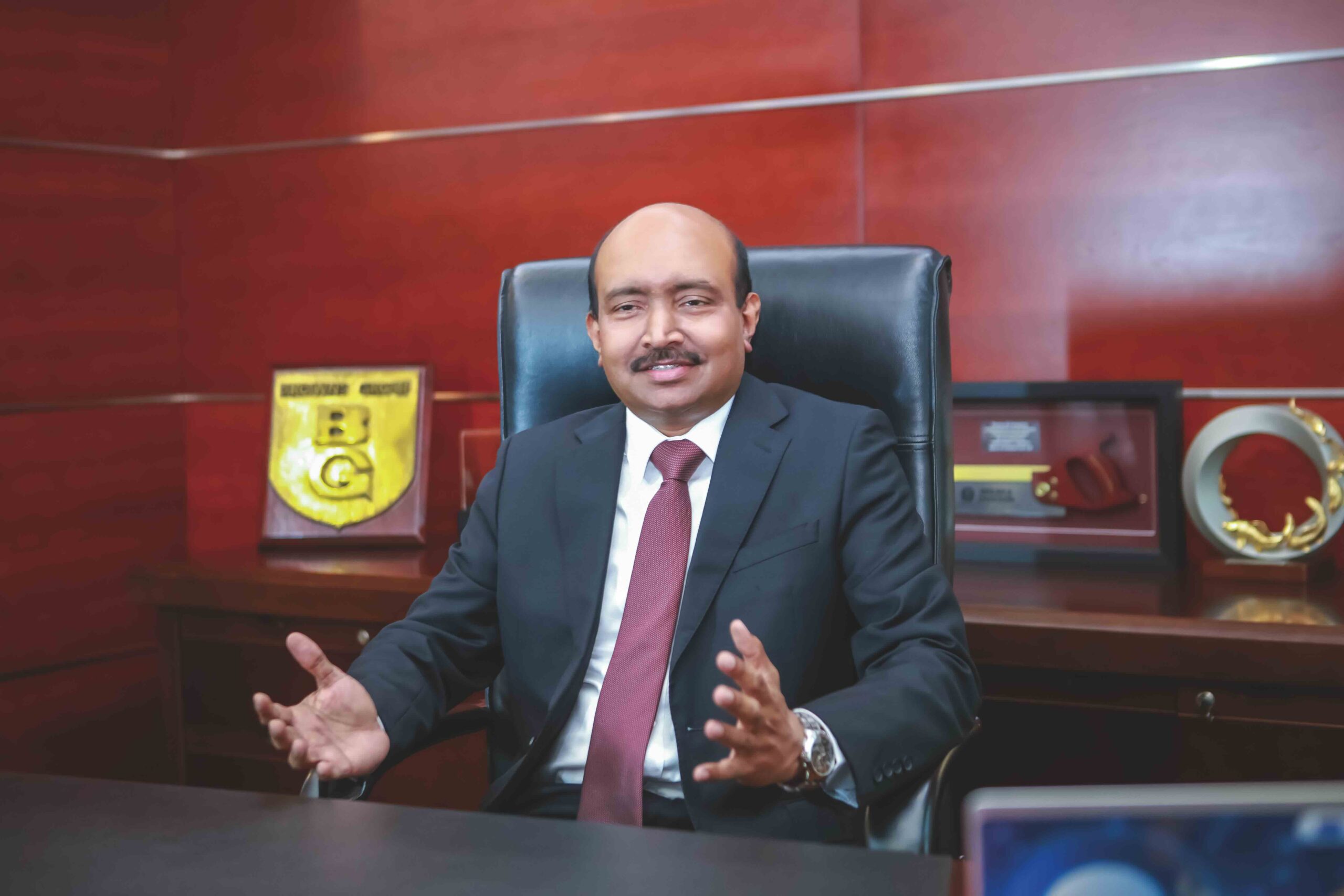
Browns has a corporate legacy dating back more than a century. As Group CEO, how do you balance preserving this heritage while steering the company toward the demands of a modern, innovation-driven business environment?
Our journey has always been about balancing heritage with progress. Preserving what has made us trusted for over a century while continuously reinventing ourselves for the future is central to how we build long-term value.
At the core of this approach is a deep respect for the Group’s foundational values of trust, quality, and reliability. These principles have shaped relationships with customers, partners, and stakeholders across generations, particularly in traditional sectors such as plantation, agriculture, and trading. We continue to invest in excellence in these businesses, recognizing that their strength and resilience form the backbone of the Group. At the same time, we are focused on driving modernization and innovation across the organization. Digital transformation and industrial digitalization are being embedded across all our divisions, from IoT-enabled agriculture to smart infrastructure and technology-driven industrial projects. Each business unit is encouraged to operate with agility, innovate within its domain, and respond rapidly to evolving market dynamics.
In parallel, we are actively investing in sustainable, high-growth sectors such as renewable energy, and advanced industrial solutions, ensuring Browns remains aligned with future economic and environmental priorities. What differentiates our strategy is how we integrate legacy with new growth. We leverage Browns’ reputation, island-wide network, and operational expertise as a platform to explore new markets and technologies.
Cross-sector collaboration and knowledge sharing are actively encouraged, allowing insights from traditional businesses to inform innovation in emerging areas and vice versa. This ensures progress is shared across the Group. As a trailblazer Browns introduced Sri Lanka’s first tractor in 1920, revolutionizing agriculture and accelerating industrial development. That pioneering mindset continues today, now channeled through digital transformation initiatives. While our predecessors brought machines to the field to increase output and reduce manual labor, we now deploy digital tools to optimize performance, enhance decision-making, and unlock entirely new business models.
In agriculture, this evolution is particularly evident. Browns is transforming farming through precision technologies using IoT devices to monitor equipment performance and fuel efficiency, drones to assess plant nutrition, and digital platforms such as the Govisaviya app to deliver tailored recommendations on chemical usage. These end-to-end digital solutions help farmers make smarter decisions, reduce costs, improve yields, and build resilience in an increasingly complex operating environment.
This seamless progression from mechanization to digitalization captures the essence of Browns. It reflects an unwavering commitment to progress, grounded in heritage yet driven by innovation, ensuring that Browns remains a catalyst for transformation across industries and generations.