
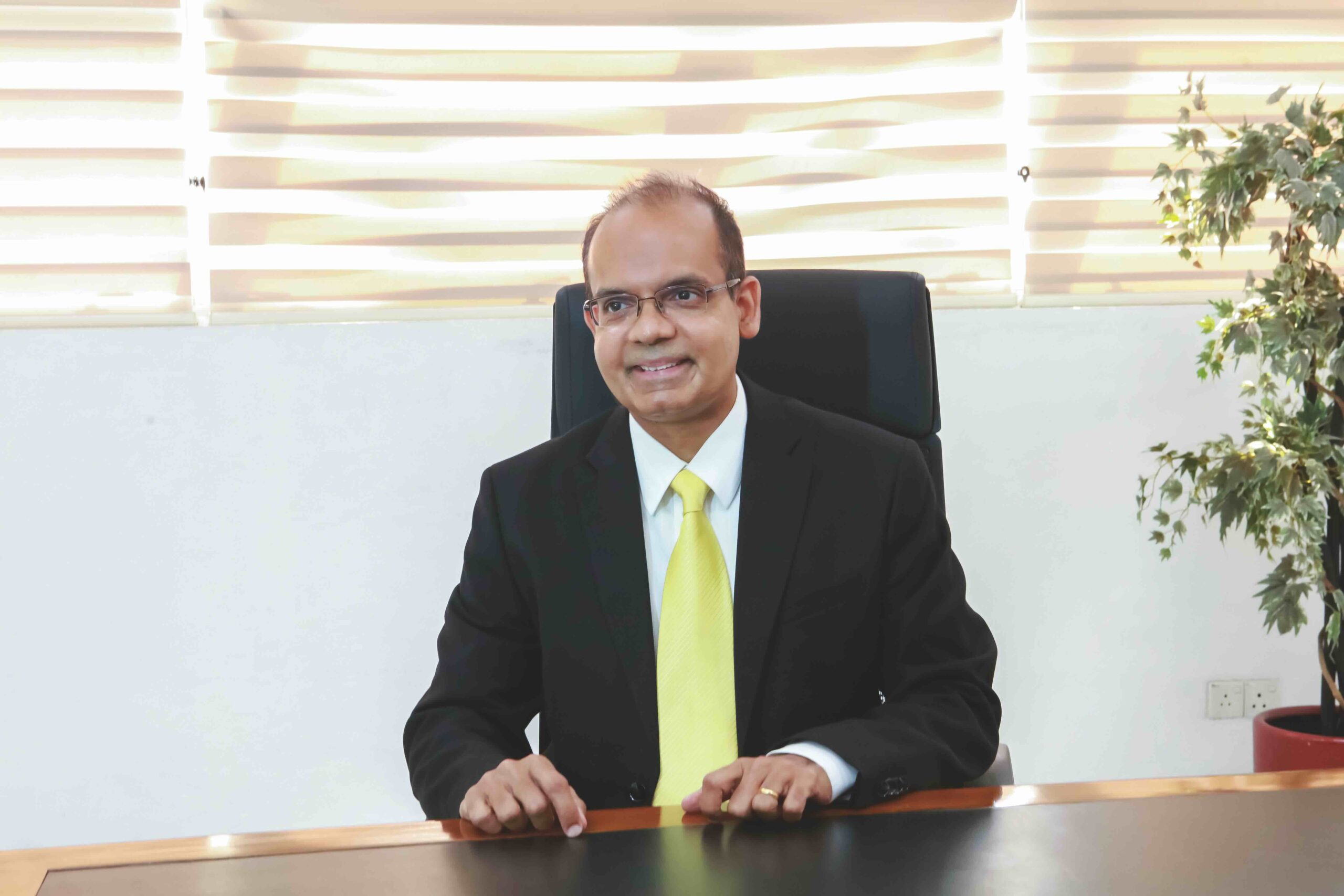
CIC Holdings, a diversified conglomerate operating in agriculture, healthcare, livestock, and industrial solutions, has shown resilience and strategic agility amid economic challenges. Recent achievements include launching innovative products, expanding wellness-driven export lines, and advancing research and development initiatives. These actions have contributed to sustainable growth in high-potential segments. Speaking with Business Today, Aroshan Seresinhe, Group CEO of CIC Holdings, provided detailed insights into the company’s resilience strategies, growth drivers, and future outlook. By leveraging deep domain expertise, modern R&D capabilities, and a robust ESG framework, CIC is strengthening its domestic footprint while pursuing meaningful international opportunities.
Words: Jennifer Paldano Goonewardane.
Photography: Sujith Heenatigala and Dinesh Fernando.
FY 2024/25 was described as resilient despite margin pressures. What were the most decisive management interventions that protected profitability across all five segments?
Across our broad business verticals, our Crop Solutions segment remains the largest contributor, accounting for about 40 percent of revenue and 39 percent of net profits.
We strategically shifted in this segment by reducing reliance on straight fertilizers and placing greater emphasis on compound, blend, and specialty granular fertilizers. This enhanced both farmer productivity and the value of our product portfolio. While we protected our market share in straight fertilizers, our focus shifted to growing higher-value solutions.
One key initiative was the “Dallakin Venasak” program, piloted in Galle, Matara, and Ratnapura, involving tea smallholders, the government, and the Tea Research Institute. Structured agronomy protocols and best practices led to average tea yields rising by 26–30 percent. This empirical data highlighted the effectiveness of our approach. We also launched the “GroMo” initiative in the paddy sector to improve productivity and farmer outcomes.
Transitioning to the Livestock segment, which contributed around 21 percent of Group revenue and 16 percent of net profits, the year was challenging due to significant poultry oversupply. We exercised strict cost discipline and other measures to stabilize the business and protect margins in a difficult market.
Turning to Healthcare, we focused on strengthening three business streams: pharmaceutical trading, local pharmaceutical manufacturing, and herbal healthcare. In pharmaceutical trading, we introduced five new drug molecules and two combination therapies. For example, we developed a hypertension treatment that combines three drugs into one formulation, simplifying compliance for patients. These innovations received positive feedback from the medical community.
Within the broader Healthcare segment, on the medical devices side, we also made strategic progress by expanding beyond government tenders and entering the private healthcare market. We strengthened our presence in QuidelOrtho diagnostics through new product lines, including reagents, immunoassay solutions, and dry chemistry systems. These additions enabled us to serve a broader customer base, including private laboratories and hospitals.
Looking at Industrial Solutions, which contributes about ten percent of revenue and nearly 19 percent of net profits, the segment performed steadily. Our strategy focused on expanding the product portfolio and strengthening partnerships with new agencies and suppliers. At CISCO Packaging, we enhanced specialty and plastic PET bottle production capabilities, supporting growth in carbonated soft drinks and primary packaging for industries such as pharmaceuticals and agrochemicals. Tourism’s recovery, especially through the HORECA channel, further boosted demand.
Finally, shifting to our Agri Produce segment, which contributed around seven percent of revenue, we made notable progress this year. We expanded our outgrower network in strengthening supply. We also enhanced brand visibility through targeted digital marketing campaigns, new collaborations with culinary experts, and a series of cooking demonstrations that attracted over 1,000 participants and highlighted the benefits of low-GI rice.
These strategic initiatives across our segments helped maintain stability and protect profitability in 2024/25, despite margin and economic pressures.
In the first nine months of FY 2025/26, have you seen resilience translate into acceleration? Which segments are outperforming your internal expectations?
Two segments outperformed our internal expectations in the first nine months of FY 2025/26.
In Healthcare and Personal Care, Link Natural, particularly Samahan exports, was a key contributor, with export volumes increasing by about 60 percent, driving segment growth. Pharmaceutical trading, manufacturing, and medical devices all delivered strong results, collectively driving a rise from 1.6 billion to 2.1 billion rupees for the segmental results versus the previous year, reflecting significant growth.
Livestock also outperformed expectations, even amid challenges in raw material procurement, such as local corn prices exceeding 170 rupees per kilogram. Despite these cost pressures, the poultry business had a strong performance. This improvement follows the previous year’s poultry oversupply, which required mitigatory steps. In FY 2025/26, market stability and demand recovery led to expansion from a constrained environment.
Recovery in tourism, especially through the HORECA channel, boosted demand for poultry. As a result, the segment’s financial growth outpaced the prior year, with segmental profits rising from 1.3 billion to 1.7 billion rupees over nine months—a clear performance gain.
As crop solutions contributed 40 percent of Group revenue in FY 2024/25, how sustainable is this dominance, and do you anticipate the revenue mix shifting in the medium term?
Crop Solutions includes fertilizers, agrochemicals, seeds, and specialty granular fertilizers focused on agri-tech and greenhouse solutions. This segment accounted for about 40 percent of Group revenue in FY 2024/25 and increased to 45 percent for the first nine months of FY 2025/26, maintaining a stable mix. Crop Solutions should stay a major contributor. While sub-segments may shift due to environmental and strategic factors, the overall cluster’s contribution will remain similar.
How do you see the Livestock Solutions sector’s record of double-digit growth – as a cyclical recovery, or are we witnessing a structural strengthening of Sri Lanka’s livestock economy?
Livestock Solutions had little growth in FY 2024/25 due to poultry oversupply. Our mitigation measures stabilized the industry and laid the foundation for the current recovery.
Chicken remains an affordable protein, supporting demand. FY 2025/26 pricing was favorable for the sector. In terms of market channels significant sales are through General trade – including farm shops, distributors and the HORECA channel. Modern Trade accounts for approximately 1/4th of overall channel sales. The recovery of tourism and the growth of the HORECA sector have also supported demand.
What we are observing now is a more organized industry structure. Larger players have strengthened their operations through backward integration and improved supply chains. At the same time, many smaller players—although the sector remains highly fragmented—have expanded and become more structured in their operations. Instead of entering the market opportunistically, they are now more disciplined in areas such as pricing strategies, input management, and market planning.
Therefore, while poultry will always have certain cyclical elements—given the biological nature of production and the time required to scale up or reduce supply—we are also seeing signs of structural strengthening within Sri Lanka’s livestock economy. Larger players have consolidated their operations, and smaller players have evolved and grown, creating a healthier ecosystem overall.
From our perspective, this is positive. As an integrated player involved in feed, poultry processing, and animal healthcare, the growth of these producers supports the broader ecosystem, including demand for feed, concentrates, formulations, and vaccines.
Looking ahead, while external factors and global disruptions can always influence the market, current demand trends—supported by tourism and the HORECA sector—suggest strong momentum. We are also optimistic that the upcoming seasonal demand will further support the sector’s growth.
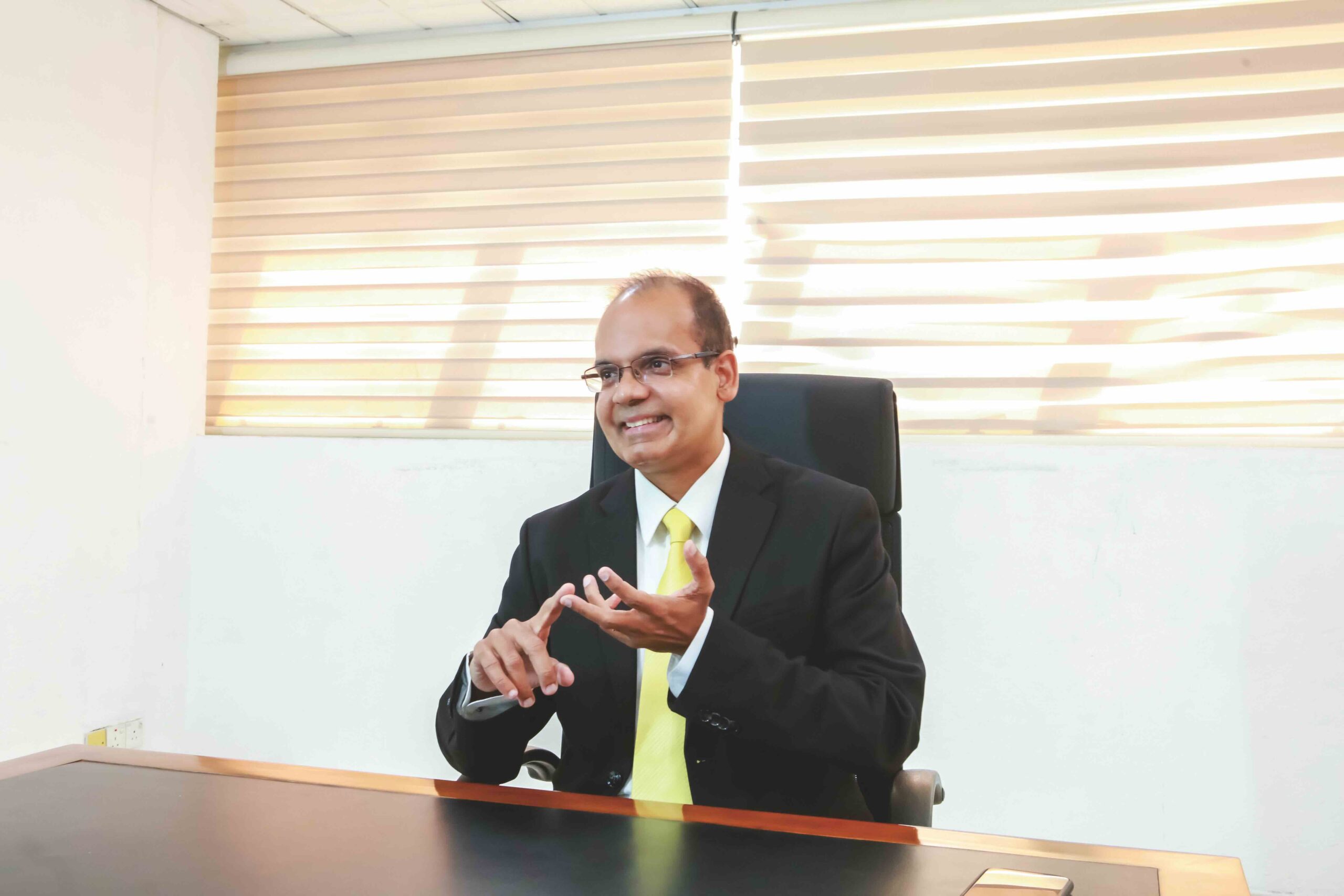
With agri-processing identified as a growth frontier, what investments have already been initiated in FY 2025/26?
In agri-processing, our primary focus is on the rice segment, particularly specialty and health-oriented rice varieties.
One of our key innovations is low-glycemic-index (GI) rice. Typically, the glycemic index of conventional rice ranges between 65 and 70. However, our scientists have developed specialty varieties, such as Red Fragrant, White Slender (Parboiled rice variety), whole grain red rice and Ceylon Purple, with glycemic indices below 55. This makes them particularly suitable for consumers managing non-communicable diseases such as diabetes, as the release of sugar into the body is slower and more stable.
During FY 2025/26, we have already invested in expanding our production capacity to support this segment. We introduced a second production line to strengthen our agri-processing capabilities and accommodate increasing demand for these specialty, health-focused rice varieties. At the same time, we are working with an expanded outgrower network to ensure a reliable supply base.
We believe this investment will positively contribute to the overall portfolio, particularly as demand for healthier food options grows. There is significant potential in the domestic market for low-GI and specialty rice, and, in my view, this is an area where much more can be done to build awareness and unlock value.
Beyond the local market, we are also focused on expanding our export footprint. At present, our products are available through ethnic retail channels in markets such as Australia, Canada, the United States, and parts of Africa. We have also recently secured a listing with Spar supermarket in South Africa and we have our presence across SADEC region through a pharmaceutical chain, reflecting the growing international potential for these specialty rice varieties.
As the Health and Personal Care segment adds products at different price points, is this aimed at attracting post-crisis consumers, or part of a long-term plan?
Our Health and Personal Care segment operates through three main areas: pharmaceutical trading, where we represent multinational companies in the distribution of pharmaceutical products; local pharmaceutical manufacturing, where we supply medicines to the Medical Supplies Division through tenders; and the herbal and personal care business led by Link Natural.
From the pharmaceutical trading perspective, we have observed some impact on consumer spending in the post-crisis environment. Higher taxes and overall cost pressures have affected household budgets, influencing spending on chronic care treatments for non-communicable diseases such as diabetes and cardiovascular conditions. In some cases, patients may interrupt their medication cycles due to affordability issues, which is a concerning trend. However, on the acute care side—where treatment is required immediately for illness—we have seen continued demand and even some growth.
In the personal care segment, the crisis prompted us to reassess our product offerings, as these products are generally more discretionary. As a result, we introduced more affordable options such as smaller pack sizes and sachet formats to make these products more accessible to consumers. At the same time, one of the most significant contributors to growth has been Samahan. While it has traditionally been associated with relief from coughs and colds, we have increasingly positioned it as a daily immunity booster and preventive wellness product. This repositioning has driven strong volume growth.
We have also expanded the portfolio through new product development. This includes wellness-oriented products such as the detox range under Swastha Amurtha, as well as pain management solutions like Samahan SP Balm, Musclegard, and Cramp Guard. Overall, broadening the product basket across different price points (including Sudantha toothpaste and toothbrushes) reflects a long-term strategy to address evolving consumer needs while maintaining accessibility in a post-crisis environment.
In the first nine months of 2025/26, how has demand for pharmaceuticals and medical devices evolved in a more stable macroeconomic environment?
We have seen stable demand for pharmaceuticals and medical devices in a more stable macroeconomic environment. In the pharmaceutical segment, we recorded value growth of approximately 9.3 percent, while the state pharmaceutical channel grew by around 6.2 percent.
One notable trend has been a gradual shift of some government OPD patients toward the private sector. This can occur for several reasons—for example, when certain medicines are not readily available at state-run Osu Sala outlets, or when patients prefer specific brands or formulations. At the same time, we have observed that spending on chronic care treatments for non-communicable diseases has been somewhat constrained, as household budgets remain under pressure. In contrast, demand for acute care—where treatment is required immediately—has continued to grow.
Overall, the market is showing signs of stability, and we expect this trend to continue, supported by the introduction of new drug molecules and combination therapies.
In medical devices, we have also seen encouraging growth, particularly in the private healthcare sector. Our focus has been on expanding in the QuidelOrtho diagnostics space, including reagents and related technologies. At the same time, we are working to bring in new agencies to strengthen our portfolio and to address value gaps in our portfolio.
Our strategy is to serve multiple market tiers. While some global brands occupy the premium end, we are also introducing second and third-tier product lines to provide more affordable options across different segments of the healthcare system. Given the broad scope of the medical devices sector—including diagnostics, wound care, trauma, and orthopedics—we continue to see strong demand and meaningful growth opportunities, even amid cost pressures.
Working capital management was highlighted as a priority. What specific structural reforms were introduced to tighten inventory and receivables?
Working capital management is a key priority for us. More than 60 percent of the Group’s revenue is generated through trading-related activities, and in such businesses, the effective management of inventory, supplier credit, and receivables is critical to maintaining healthy cash flows.
One of the structural strengths we rely on is the deep domain expertise within our business clusters. Many of our leadership and management teams have long-standing experience in their respective industries, both within the Group and from prior external exposure. This institutional knowledge enables us to better anticipate industry trends, plan inventory cycles more effectively, and manage receivables with greater discipline at the business-unit level.
At the Group level, we have also strengthened oversight by coordinating more closely with Group Finance and Group Treasury. This centralized approach allows us to monitor working capital dynamics more closely, respond proactively to global developments, and manage risks arising from external disruptions or unforeseen events.
In addition, our Board provides valuable strategic guidance on macroeconomic developments and financial discipline. The combination of strong domain expertise at the operational level, central financial oversight, and board-level strategic insight has enabled us to build a more robust and proactive working capital management framework.
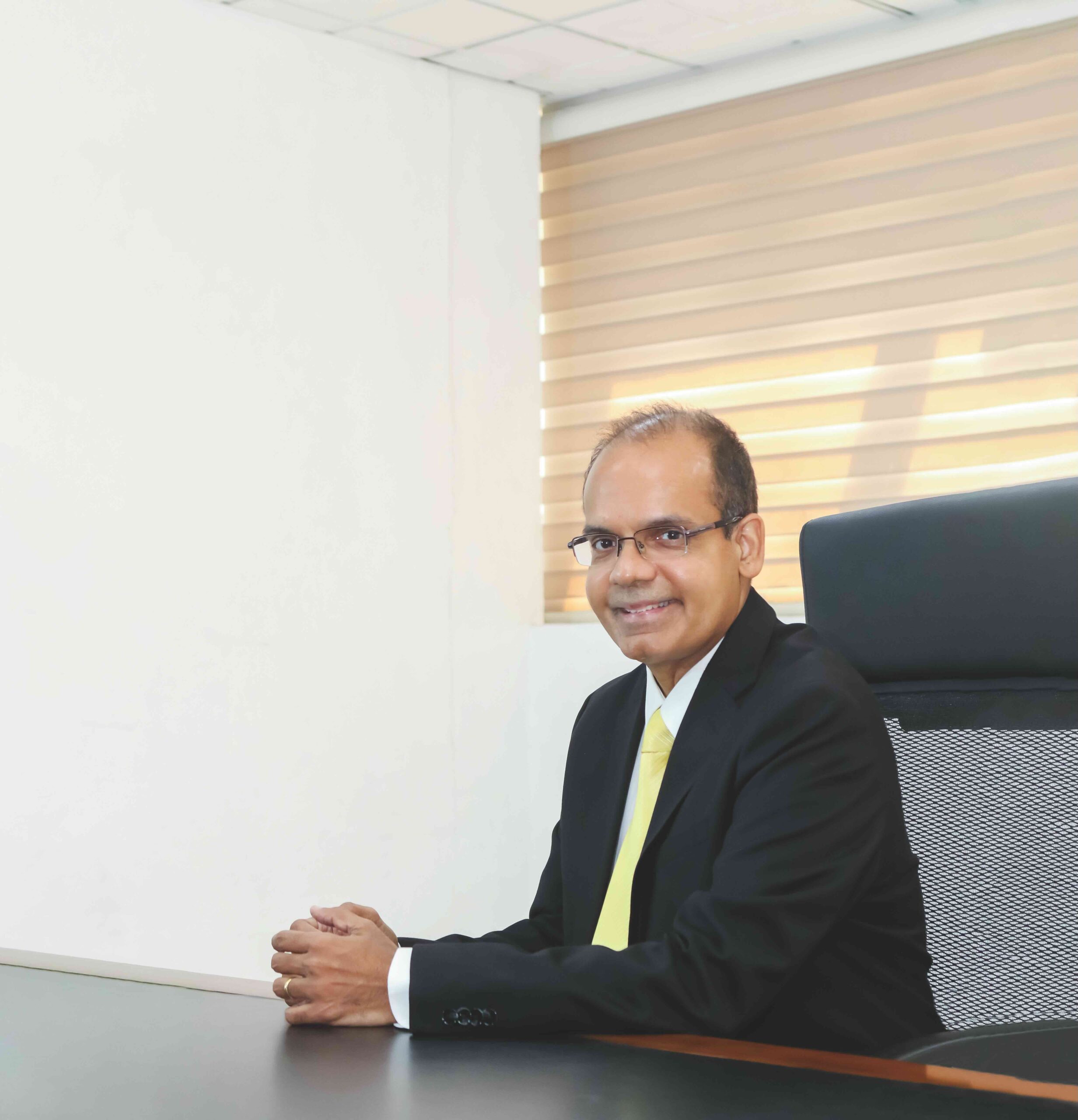
As CIC identifies exports of wellness-driven, sustainably produced goods as a growth driver, which markets are currently most promising, and how competitively positioned is Sri Lanka in these categories?
Exports within the Group are largely driven by Link Natural, particularly through the Samahan brand. This year, Samahan exports recorded a significant increase of around 60 percent in volumes. In terms of Link Natural’s overall revenue, Samahan’s exports now contribute roughly 30 percent, reflecting strong international demand. In addition, our specialty rice segment—particularly low-glycemic index rice—has begun to expand its export footprint.
The most promising markets at present are North America, Europe, and Japan. In these regions, consumer awareness and demand for herbal supplements, natural functional beverages, and botanical ingredients continue to grow. These markets also place strong value on products that combine traditional knowledge with scientific validation and sustainable production practices.
Sri Lanka is well-positioned in this space. Our wellness products draw on a long heritage of Ayurveda and traditional medicine, supported by the country’s rich biodiversity. For example, the Link Natural manufacturing facility is US FDA approved, which strengthens our credibility in international markets.
Overall, Sri Lanka holds a competitive advantage in wellness-driven products that emphasize natural ingredients, preventive health benefits, and safety. Going forward, our export strategy will focus on four key areas: product innovation, securing the necessary certifications and regulatory approvals, building sustainable partnerships and strengthening brand building in international markets.
In the first nine months of FY 2025/26, has export revenue grown as a percentage of total revenue?
Yes, export revenue has increased as a percentage of total Group revenue during the first nine months of FY 2025/26. At present, exports account for approximately three percent of total revenue, compared with around two percent previously.
This growth has been driven largely by Link Natural, particularly through the expansion of its global footprint, including in Europe. Within Link Natural itself, exports—mainly through the Samahan brand—contribute roughly 30 percent of the company’s revenue.
While this reflects encouraging progress, we believe there is still considerable potential to further strengthen our export presence through deeper market penetration and continued brand building in key international markets.
How are you ensuring that sustainability claims meet evolving global regulatory and certification standards?
We are actively advancing along an ESG roadmap that the Group has been developing for over two years. A key focus has been aligning with global reporting standards, including the Global Reporting Initiative (GRI), while ensuring our sustainability practices meet evolving regulatory and certification requirements.
On the operational side, we have made targeted investments in renewable energy, including rooftop solar. In our agrochemical portfolio, we prioritize low-toxicity products and work only with Class 3 and Class 4 formulations in accordance with WHO guidelines.
We also promote responsible cultivation practices, including the use of organic and organo-mineral fertilizers, supported by our dedicated organic fertilizer plant in Pelwehera Dambulla, which has a capacity of 3,000 metric tons per annum. In herbal healthcare, programs like the “Saara Osu” Project focus on sustainable cultivation of medicinal plants, recycling, and reforestation. In our dairy operations, we have improved waste management by reusing caustic soda, thereby reducing the volume of effluent entering our treatment plant. Across the Group, we are embedding circular economy principles such as reduce, reuse, and recycle.
Compliance and sustainability standards are only increasing, particularly for exports to Europe and other regulated markets. Partnering with multinational companies with strong sustainability footprints has been invaluable, as it allows us to adopt best practices and ensure our claims are credible. This proactive approach positions us ahead of minimum global standards and strengthens our readiness for future regulatory expectations.
As the “Envisioning” strategy signals transformative expansion, what tangible milestones define success for this strategy over the next three years?
Tangible milestones for the “Envisioning” strategy over the next three years focus on two key areas: expanding our export footprint and growing our presence in agri-processing. On exports, the crisis highlighted the need to look beyond Sri Lanka’s 21 million population and seek meaningful international revenue streams. We are fortunate to have strong products and brands with credible certifications and proven efficacy, which positions us well to scale exports. Currently, exports contribute around three percent of Group revenue, but we aim to significantly increase this share in the coming years.
In agri-processing, we see opportunities to move along the value chain by leveraging our network of farmers, agronomy expertise, and R&D capabilities. This includes brand building and exploring products such as dehydrated fruits, vegetables, and superfoods that align with wellness trends.
In addition to organic growth, we are actively evaluating acquisitions and inorganic opportunities to accelerate expansion in this space. In short, success will be measured by a meaningful increase in export revenue and a strengthened, vertically integrated agri-processing portfolio that creates value both locally and internationally.
How is R&D being focused on and institutionalized?
R&D is a critical differentiator for us and a key factor in how we create value across the Group. We have institutionalized it through dedicated teams and facilities focused on both agriculture and wellness products.
In agriculture, our scientists at Pelwehera work on low-glycemic-index rice and hybrid vegetable seeds. In collaboration with the Department of Agriculture, we have developed locally adapted varieties of corn, brinjals, okra, chili, and capsicum. These seeds not only drive import substitution but also create opportunities for future exports.
In the wellness and herbal healthcare space, our US FDA-approved Link Natural plant represents one of the most advanced R&D facilities in South Asia. We invest heavily in research, including clinical trials, combining traditional Ayurveda knowledge with modern pharmaceutical science. This enables the development of new, scientifically validated products and positions us strongly in both local and international markets. Overall, R&D is deeply embedded in our strategy and remains a key area of focus for innovation and long-term growth.
Looking ahead, what risks keep you most vigilant, and where do you see the biggest upside surprise for the Group?
The risks that keep me most vigilant are climate and macroeconomic factors. In agriculture, we remain exposed to weather patterns – whether excessive rainfall or drought – particularly for field crops like corn and paddy. Protected agriculture and greenhouses can mitigate some of these risks, but extreme events, such as cyclones, remain challenging to mitigate. Building climate resilience across our operations is therefore a key focus.
On the macro side, global dynamics such as disruptions in the Middle East – impact logistics, supply chains, and working capital. Given that around 60 percent of our revenue comes from trading activities, price volatility, shipping delays, and global supply constraints, like the recent urea price surge from 420 to 550 dollars, require constant monitoring and risk mitigation through de-risked supply chains and robust management dashboards. As for upside surprises, policy consistency could be transformative for the industry. Many of our regulatory frameworks – across agriculture and healthcare are outdated and hinder growth. For example, quarantine laws from the 1950s restrict the import of seeds from Latin America, limiting collaboration and knowledge transfer that neighboring countries freely leverage. If these policies were modernized, it could unlock significant opportunities for the sector and the nation as a whole.
What could Sri Lanka do better to enable companies in critical sectors to achieve their full potential?
I believe the key for the country and the industry is reducing systemic shocks—whether in trading, agro-processing, or expanding export footprints. None of this can happen in isolation. Real progress requires collaboration among the public, private, and community sectors. While we have strong plans and articulate them well, execution often falls short.
We have capable people and knowledge, but leadership, exposure, and access to technology are critical. Companies need to benchmark against regional best practices, learn from multinational partners, and focus on areas where Sri Lanka can develop a niche advantage. For example, in agriculture, our coconut productivity is around 45–50 nuts per tree per year, whereas in Kerala, it’s 120. Even incremental improvements—from 50 to 70—would make a meaningful difference.
Ultimately, building this ecosystem is a long-term journey. It requires evolving mindsets, improving processes, fostering education, and sometimes making short-term sacrifices to achieve a bigger vision. Without this, we risk falling behind regional peers, despite having the talent and resources to excel.