
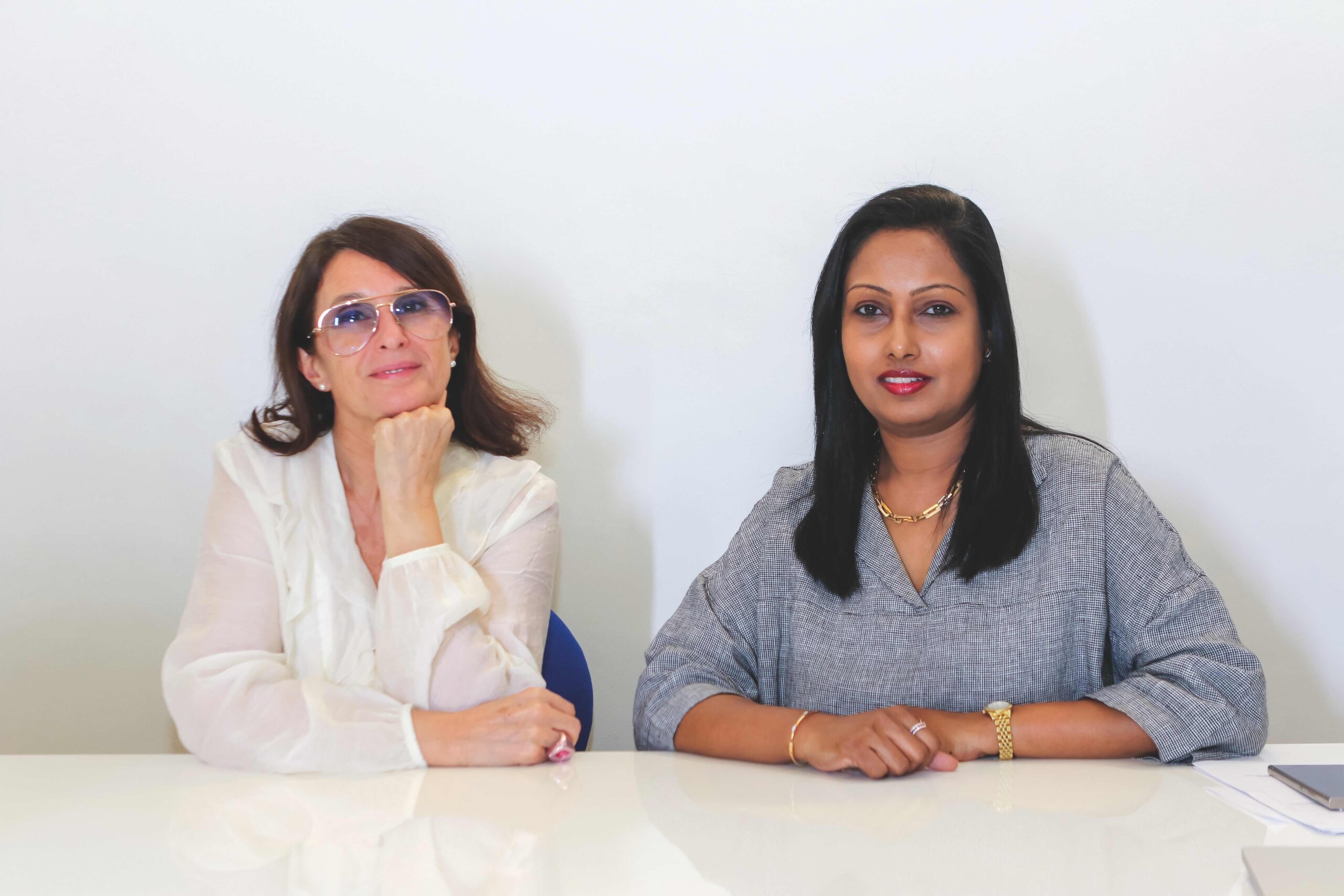
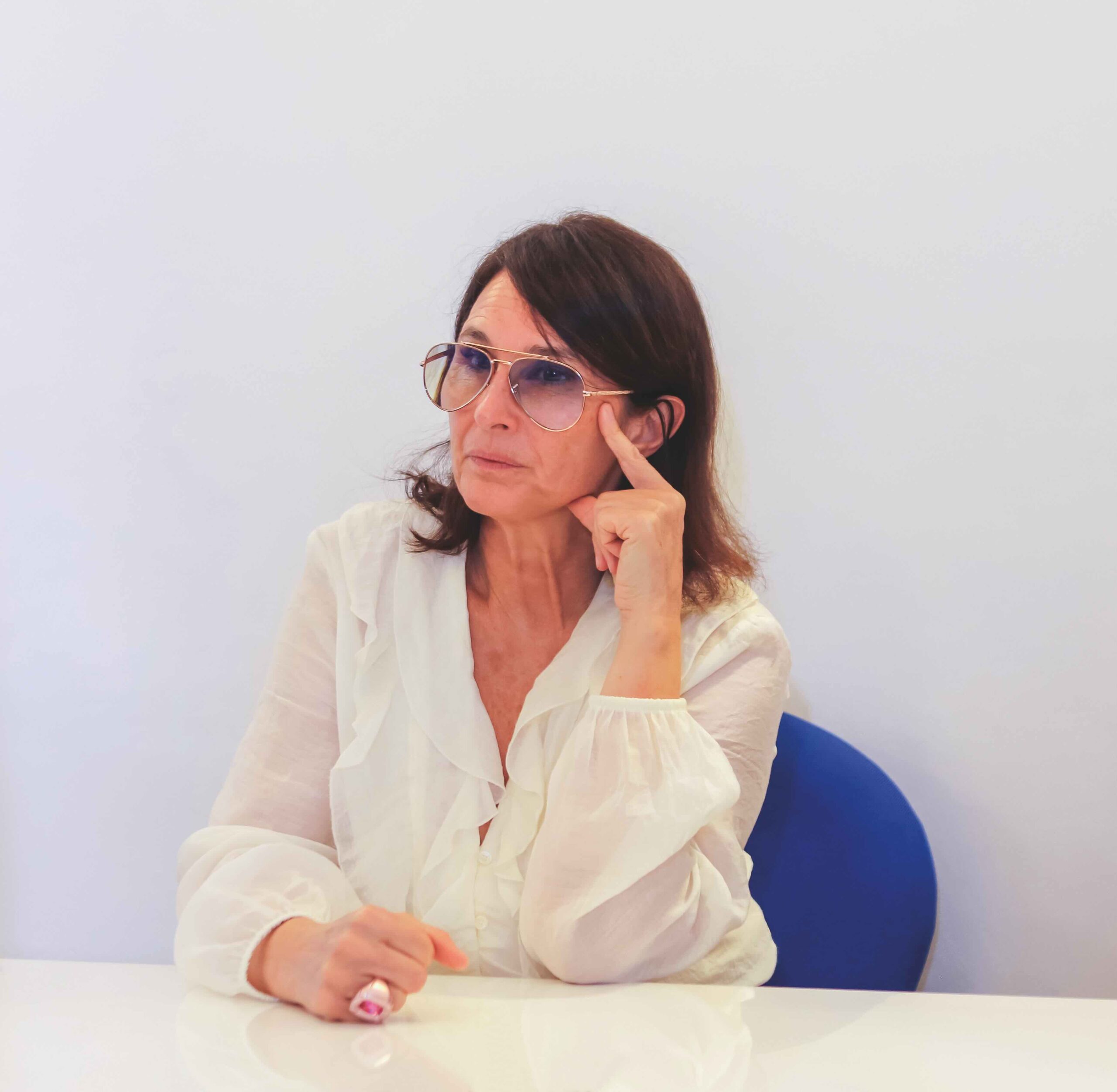
The billion-dollar global fashion industry presents untapped opportunities—especially for Sri Lankans. MODART International Paris, in partnership with the International Academy of Fashion (IAF), has been offering its degree programs in Sri Lanka for the past ten years. Dean of MODART Paris, Marie Cherifi, recently visited Sri Lanka to attend the graduation of Sri Lankan students who have completed their international degrees through IAF and MODART Paris. MODART Sri Lanka, a franchise managed by IAF, celebrates a decade of this collaboration. In a conversation with Business Today, Cherifi discussed their educational partnership, stressing MODART’s balance of creativity, craftsmanship, and industrial elements, as well as the emphasis on practical training through mandatory internships with consistent high standards worldwide. She highlighted the universality of their approach, enabling designers globally to master core skills. As the influence of fashion spreads beyond Paris, Cherifi emphasized MODART’s commitment to internationalization and the advantages of integrating diverse cultural perspectives.
Words: Jennifer Paldano Goonewardane.
Photography: Dinesh Fernando.
How would you describe the core principles of the French fashion teaching methodology that MODART International brings to students in Sri Lanka?
We balance creativity, craftsmanship, and industry needs. The program blends essential theory with practical skills for professional readiness. In the bachelor’s degree, the first year focuses on fundamentals, and each year includes mandatory internships that culminate in extended experience by the third year. Our goal is to prepare students for roles in international fashion houses or the apparel sector.
How do you tailor it to Sri Lankan students? Is there anything specific you do for Sri Lankan students, or is it relevant internationally?
Fashion is universal, with designers everywhere requiring core skills such as pattern-making, understanding buyer needs, and adapting to local trends and fabrics. While styles may vary by region, the fundamentals remain consistent, enabling graduates to work globally.
What distinguishes French fashion pedagogy from other global fashion education models, and how has this influenced the curriculum in Sri Lanka?
MODART’s strength lies in being a pragmatic school that clearly separates theoretical engagement from practical application. Unlike some global fashion education models that may focus more heavily on theory or design alone, MODART ensures students are equipped for real industry work upon graduation. With over 23 years of experience and many alumni in the fashion world, our approach is grounded in keeping education relevant to current industry needs. Alumni who become teachers bring direct practical knowledge, and this industry linkage helps us maintain close alignment with market demands, differentiating us from institutions with less industry integration.
How does MODART integrate traditional French craftsmanship with modern digital fashion tools and trends in the classroom?
Fashion is separated into everyday wear and Haute Couture. Day-to-day wear requires reasonable design with good fabric at good prices, while Haute Couture employs many people doing handwork – sewing, embroidering, embellishing. The craftsmanship involved in haute couture incurs a higher labor cost than that of everyday wear. Our students learn both traditional hand methods and the shift toward technology in industry. We have a digital master’s program focused on technology, artificial intelligence, and new tools, preparing students for the industry’s evolution toward more sustainable practices. We cannot do as we did before, producing and consuming clothing at high levels. We already have more than enough. So, fashion has to change. And this is one of the evolutions requested for the future. Being more rational, avoiding waste, and opting for clean fashion are vital to fighting pollution. Throughout the degree. From the first to the third year, students are taught sustainable fashion. Europe is quickly adopting regulations to combat fast fashion, imposing import restrictions that force us to invent and innovate as the industry evolves. Today, it’s not a question of conviction but a question of regulation. If we fail to fall in line, we cannot sell.
A notable example of this success is MODART student Heshani Gunasekara, who secured an opportunity to work with Chanel Weavers. For a Sri Lankan student, gaining professional exposure linked to a prestigious brand such as Chanel represents a remarkable achievement and significantly enhances career prospects.
What role does exposure to French culture and fashion history play in shaping a student’s design identity?
French culture provides a basis for what existed in the past and what is currently requested. We teach fashion culture, including cinema and fashion, photography and fashion, and art and fashion. Sri Lankan students follow the exact same course as MODART Paris, because fashion must be universal – designers can bring insights from their country and culture, but fashion must be wearable globally. Students can incorporate small pieces of their culture, but must think internationally if they want their work to hit the global markets. Your fashion must be for every man and woman in the world, not for people in Colombo. That’s exactly the perspective our program offers to students – a universal lens in fashion design.
MODART Paris has partnerships and collaborations with international institutions and brands – can you share how these relationships benefit MODART Sri Lanka students?
Our programs provide international students with the opportunity to share their creativity with the world, in this case, the best students with the potential for visibility and opportunities to showcase in Paris. Sri Lankan students travel to Paris for a week in their second year for exposure. While on their visit to Paris, they visit places like the Yves Saint Laurent Foundation and couture houses through industry connections and tie-ups, gaining access to relevant, up-to-date exhibitions and fashion houses. Having connections is key to accessing prestigious places as part of student education, which a big organization like MODART Paris has with major fashion brands. The nucleus of fashion is Europe, and in that, France, Italy, Spain, and England are the heartbeat of that universe, a place where our students can potentially enter someday.
In your view, what’s the competitive advantage for a MODART graduate to enter global fashion houses or brand studios compared to graduates from other institutions?
Since my arrival in Sri Lanka and since mingling with the students and inspecting their work, I am impressed by their work. Although MODART Sri Lanka’s students study far from Paris, their achievements match those in Paris, demonstrating the program’s consistent quality. We’ve worked to ensure the curriculum is shared internationally and invite all students to experience Paris each year through visits to fashion shows or houses. Today, global brands are expanding internationally, so they hire local experts. This gives our students strong hiring prospects. For example, in 2025, Inditex Group—a major Spanish company with many brands across 93 markets—came to MODART Paris to recruit students, seeking those of specific nationalities to help them specialize in those regions. A student from Argentina now works in Spain because the company wanted an Argentine to focus on that market. Thus, fashion brands must build relationships and hire local expertise as they go global and MODART International Paris has been an institution they believe produces graduates who are ready to enter prestigious companies in the industry. In the case of MODART Sri Lanka, Heshani Gunasekara is a strong example, leveraging her Paris experience through MODART International to secure a role at Chanel Weavers—an achievement otherwise difficult for Sri Lankans. So, we have the network and connections with industry leaders to not only secure internships and position in them, but also earned their confidence to produce graduates who have the skills to serve in such prestigious companies.
In your opinion, what unique experiences can Sri Lankan students gain in Paris that they might not experience studying elsewhere?
As the nucleus of fashion, Paris hosts many international brands and fashion houses. For instance, Paris is home to major fashion empires like LVMH, which employs 260,000 people worldwide. So it’s an opportunity to meet people and have a real vision of what fashion truly is. Without visiting Paris, students have an idea of fashion but not a real understanding. One or two years in Paris provides a huge advantage and can make a significant difference. Fashion is part of society – it’s everywhere and attracts people globally. Until students visit Paris, they can’t truly understand the importance and scope of fashion as a major business worth billions of dollars and a cultural force.
Fashion education today extends beyond design—how does MODART prepare students for roles in marketing, brand strategy, and entrepreneurship, empowering them to lead and innovate in the fashion industry?
MODART Paris has three departments: design, management, and communication. The process flows from creation to management to communication. Management decides what to produce and how much to produce after a fashion show, while communication determines the message and brand positioning. Students learn that fashion reflects personal feelings and societal messages, making it both creative and business-oriented, a balance between expression and reality, where students learn that what they create must be sellable.
Given how fast the industry is changing, how is the curriculum updated to stay ahead of trends?
Apart from being involved in literally everything at the school, my role as Dean involves gathering market intelligence through sector committees, experience committees, associations like Paris Good Fashion, conferences, and fashion shows. When new directions are identified and mentioned multiple times, they’re immediately incorporated into programs. This agile approach ensures the curriculum stays current with market demands.
We have been collaborating with MODART Sri Lanka for ten years, and I appreciate Niroshani Leanage’s dedication, dynamism, and curiosity, constantly seeking to build partnerships, such as with the French Embassy in Colombo, to enrich the student experience and exposure.
What soft skills are most essential for students, and how does MODART cultivate them?
Essential soft skills include flexibility, adaptability, curiosity, and hard work. Fashion requires dedication and passion – it’s not a nine-to-five job. Students must be prepared for longer hours and high commitment. Don’t go into this industry if you are not prepared for long hours and a lot of work. This industry doesn’t have fixed times. I don’t say this is necessarily good, but this is the reality. This is what I tell my students who complain about long working hours during their internships. But they are just 19, and I ask them what they want to do when they come home a little early, since they have no partners or spouses. They say they want to meet and chat with their friends. I tell them that they have the weekend for that. These are Gen Z people who like their jobs, but they don’t want to sacrifice anything. They want the job as well as the time to meet friends, pursue their favorite pastimes, and engage in their interests. So, this is also the new pervasive reality we are facing with Gen Z. The industry is adapting to Gen Z’s expectations for better work-life balance, with companies finding solutions to accommodate new-generation preferences.
I think this evolution will be a step-by-step process that will take time. Given the situation with the new generation, the fashion houses have to adapt, and some have already done so. Unless they adapt, they will not have salespeople selling their goods on a Saturday. The Gen Z will quit their jobs if they are not allowed the time off they request. So, the Gen Z work dynamic has entered the fashion industry as well, which has taken note of this shift.
Looking ahead, what are your strategic goals for MODART International and MODART Sri Lanka over the next decade?
The goal is to work more closely together, ensuring students worldwide achieve the same level, since fashion houses seek international students.
The advantage is having diverse international students who sometimes outperform local students due to their strong work ethic. And to their advantage, some companies request students from specific countries, which is a great opportunity for foreign students to gain entry into Paris’s billion-dollar industry. Given this reality, my vision includes potential seminars that bring together students from different countries to create richer educational experiences.
What inspired you to bring French fashion education to international markets, such as Sri Lanka?
Fashion is universal, and different cultures, education, and backgrounds enrich it. Many prestigious fashion houses now have artistic directors from around the world, rather than just French ones, bringing new perspectives and eyes to the brands. So, French brands are being given artistic direction by individuals from around the world, a direction that MODART encourages and that its students are meant to embrace.
How would you describe the core values that guide MODART’s educational culture on both sides of the partnership?
Since MODART’s beginning, internationalization has been part of our DNA. The founders understood the impor tance of international perspectives, which bring richer elements to the existing Paris foundation. While we have history, background, and culture, we need new eyes and diverse sociological perspectives, which are only possible through international collaboration.
We have been collaborating with MODART Sri Lanka for ten years, and I appreciate Niroshani Leanage’s dedication, dynamism, and curiosity, constantly seeking to build partnerships, such as with the French Embassy in Colombo, to enrich the student experience and exposure. I have confidence in how she runs the school, and, importantly, we work on the same page with easy communication, where Niroshani understands our ethos and philosophy.
A notable example of this success is MODART student Heshani Gunasekara, who secured an opportunity to work with Chanel Weavers. For a Sri Lankan student, gaining professional exposure linked to a prestigious brand such as Chanel represents a remarkable achievement and significantly enhances career prospects.
Niroshani Leanage, Managing Director, International Academy of Fashion
Supporting Global Academic Progression: Pathways, Student Support Systems, and the Competitive Advantages of MODART Sri Lanka Programs
The three-year Bachelor’s degree program equips students at a level equivalent to their counterparts in Paris, enabling direct entry into Master’s programs. Alongside their academic studies, students undertake parallel French language training, a key requirement for Master’s studies and internships in Paris.

Upon completing the Bachelor’s degree at MODART Sri Lanka, students may either pursue a Master’s program in Paris or enroll in a post-graduate diploma offered by the International Academy of Fashion (IAF), which serves as the first year of a Master’s program. This pathway allows students to advance directly into the final year of a Master’s degree globally. The three Master’s specializations — Fashion Communication, MBA in Luxury Goods and Fashion Industries, and Master’s in Artistic Direction and Collection Development — provide students with diverse and comprehensive career opportunities within the fashion industry. Students greatly benefit from IAF’s strong partnership with MODART International Paris. Carefully curated study tours to Paris provide exceptional exposure, enabling students to engage directly with leading global fashion brands. Through exclusive collaborations with renowned fashion houses, MODART students gain valuable hands-on experience, insight into emerging trends, and opportunities to work on real-world industry projects.
A notable example of this success is MODART student Heshani Gunasekara, who secured an opportunity to work with Chanel Weavers. For a Sri Lankan student, gaining professional exposure linked to a prestigious brand such as Chanel represents a remarkable achievement and significantly enhances career prospects. This exemplifies the global opportunities offered through the Master’s pathway, which acts as a gateway to multiple career avenues. Graduates can pursue roles not only in design but also in areas such as fashion management, communication, and collection development. Experiencing education within the world’s fashion capital remains a key advantage of this academic structure. For this reason, MODART Sri Lanka does not offer a full Master’s program locally. Instead, students complete the postgraduate diploma through IAF as the first stage of their Master’s journey, after which they may progress to complete their final year or dissertation in Paris or at other leading global institutions.
A distinctive feature of the program is its personalized learning environment. With limited student intake, participants receive individual attention and one-to-one mentorship, ensuring a truly global standard of education.
MODART Sri Lanka has also contributed to strengthening international fashion collaboration. In 2017, the institution hosted the first International Graduate Fashion Spectacle alongside the French Spring Festival, followed by a second edition in 2018. Plans are underway to relaunch this initiative.
The event showcased the diverse creative work of students from multiple countries, extending beyond MODART Sri Lanka’s own graduates. By bringing together emerging designers from around the world, the spectacle fostered cross-cultural collaboration, professional networking, and new business partnerships.